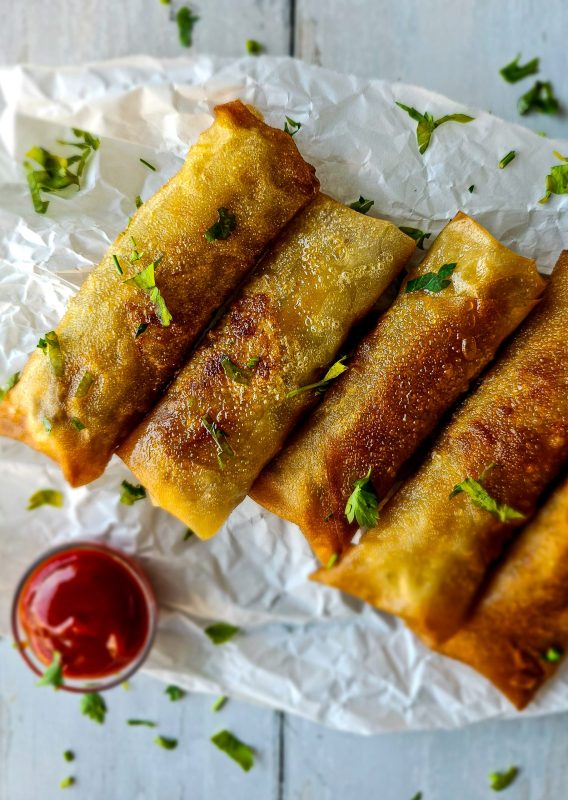
What is Filipino Lumpia?
Filipino Lumpia is a tasty traditional dish that’s a big part of Filipino culture. It’s a type of spring roll with a yummy filling wrapped in a thin wrapper, either fried to a crispy delight or served fresh. This dish shows off the diverse flavors and local ingredients of Filipino food, offering a unique and comforting taste.
Lumpia is a popular appetizer or snack. It is often served with dipping sauces, like sweet and sour or vinegar-based sauces.
Whether at a family get-together, a local fiesta, or a street food stall in Manila, Lumpia brings people together. It’s a key part of Filipino hospitality, showing the warmth and friendliness of its people.
Lumpia has made its way into different cuisines worldwide, partly thanks to Filipino immigrants. While similar to other global spring rolls, it has a special charm that many food lovers appreciate.
How is Filipino Lumpia traditionally served?
Serving Lumpia well can really enhance the dining experience. Consider the following suggestions:
- Pick the right plate or platter: Choose simple, elegant designs that highlight the bright colors of the Lumpia and its sides. White or earth-toned platters work great to make the dish stand out.
- Add a garnish: Fresh herbs like cilantro or mint can add color and fresh flavor. Add lemon or lime wedges for a colorful touch and the option of a citrus twist
- Arrange it in a circle: Place a small bowl of dipping sauce, either traditional vinegar or sweet chili sauce, in the center for easy access.
- Use tiered stands: For bigger gatherings, use tiered stands to turn it into a centerpiece that’s both beautiful and practical.
- Consider portion sizes: Offering different sizes makes it easy for guests to grab pieces and enjoy them as finger food, fostering casual socialization.
- Use traditional Filipino clay pots or woven rattan trays: During festive occasions, creatively display Lumpia on these to add an authentic touch.
A beautifully presented platter satisfies appetites and brings joy to those gathered around the table.
Filipino Lumpia vs Chinese Spring Rolls: Key Differences
When you explore Asian cuisine, you’ll find different types of spring rolls. Two notable ones are Filipino Lumpia and Chinese Spring Rolls. Both include ingredients wrapped in thin pastry and fried to a crisp, but their flavors and preparation set them apart.
The wrappers are a key difference. Filipino version uses a thinner wrapper made from rice flour, creating a light, crispy bite. In contrast, Chinese Spring Rolls might use wheat flour wrappers, which are sturdier and chewier.
The fillings also make a difference. Filipino dish often contains ground pork or chicken mixed with vegetables like carrots, onions, and cabbage, seasoned with soy sauce, garlic, and ginger. It’s rolled tightly to keep the filling inside. Chinese Spring Rolls offer more variety, with fillings that include different vegetables, sprouts, and sometimes seafood, seasoned with Chinese spices.
Each dish is prepared with its own cultural touch. In the Philippines, people enjoy Lumpia for both celebrations and everyday meals, usually as a starter or snack served with sweet and sour sauce. In China, people savor Spring Rolls during festivities like Lunar New Year as a symbol of good fortune.
Discovering Lumpia Variations: From Shanghai to Turon
Considering that the Philippines is home to over 7,000 islands, Lumpia includes a wide range of variations.
- Lumpiang Shanghai, is the most popular one. It is known for its crispy texture and tasty filling. It’s usually made with ground pork, carrots, and other vegetables, becoming a classic image of Lumpia.
- Lumpiang Turon satisfies those who love sweet flavors. This dessert version wraps bananas and sometimes jackfruit in a thin wrapper, then fries it to create a delicious caramelized coating. Turon shows how Lumpia can switch from a savory appetizer to a sweet dessert
- Lumpiang Sariwa, is another popular version. It means fresh Lumpia, offering a fresh alternative to fried types. It’s filled with an assortment of vegetables and often comes with a peanut sauce, providing a healthier but still delicious choice.
Health Benefits of Filipino Lumpia: A Nutritional Perspective
The recipe uses ingredients like lean proteins and fresh vegetables, which offer important nutrients.
- Recipes can use lean meats like chicken or pork, which provide protein that helps build and repair muscles.
- Vegetables such as carrots, cabbage, and green beans add a range of vitamins and antioxidants that boost the immune system and improve overall health.
- Garlic and onions may help with inflammation and fight off germs.
To make it healthier, many people choose to bake it instead of deep-frying it. Baking uses less oil, lowering calories and unhealthy fats. Also, using whole-grain wrappers can also add fiber, helping with digestion and keeping you feeling full longer.
Common Mistakes to Avoid When Making Lumpia
Here, we will guide you through some common mistakes you should avoid:
- Overstuffing the Wrapper: One of the most common mistakes is being too generous with the filling. Overstuffing can cause the wrapper to tear, leading to messy, uneven cooking. Therefore, aim for a modest amount to ensure each roll is tightly sealed and holds its shape during frying.
- Not Sealing the Edges Properly: A poorly sealed roll can unravel and lose its filling during cooking. Use a mixture of water and flour as a glue to secure the edges, ensuring they hold tight throughout the frying process.
- Using Cold Ingredients: Cold ingredients can cause the dish to cook unevenly. It’s best to ensure your filling is at room temperature before wrapping.
- Incorrect Frying Temperature: Frying it at the wrong temperature can result in soggy or burnt rolls. The oil should be hot enough to sizzle when the Lumpia is added but not so hot that it cooks the outside too quickly. Test with a small piece of wrapper first and adjust your heat accordingly.
- Skipping the Draining Step: Forgetting to drain it on paper towels or a wire rack can lead to unwanted greasiness. Proper draining removes excess oil, giving it a crisp, delicious exterior.
What are some popular global variations of Lumpia?
Filipino Lumpia recipes have evolved from its origins to become a favorite dish worldwide. Its flavorful and adaptable nature makes it popular across different countries, each adding a unique spin. Let’s check out some popular global variations.
- Vietnamese Spring Roles: Known as ‘Chả Giò,’ this variation uses rice paper instead of wheat wrappers, giving it a unique texture. Filled with ground pork, shrimp, and veggies, these crispy rolls often come with a tangy dipping sauce and fresh herbs.
- Indonesian: Called ‘Lumpia Semarang,’ this version often features bamboo shoots, rare in Filipino Lumpia, and boasts a savory and slightly sweet flavor.
- European: European takes on Lumpia cater to local tastes, with fillings like cheese, sausage, or smoked salmon, showing how Lumpia adapts to culinary traditions across the continent.
- Hawaiian: A fusion of cultures, Hawaiian Lumpia uses local ingredients like Spam or sweet potato, offering a sweet and savory mix that reflects the region’s diverse influences.
- United States: Overthere Filipino-American communities embraced this dish and evolved with local influences. Also, some variations include using beef or chicken as the primary protein, and incorporating American ingredients like cheese or jalapeños to add a unique twist. These adaptations reflect the fusion of Filipino culinary traditions with local tastes.
- Netherlands: a variation known as ‘Loempia’ has become popular, influenced by Indonesian cuisine due to historical ties. Dutch Loempia is often larger and includes ingredients like bean sprouts, cabbage, and sometimes chicken or shrimp. It is typically served with a sweet chili sauce, showcasing the blend of flavors that appeal to the Dutch palate.
How does Lumpia compare to Vietnamese spring rolls?
When it comes to Southeast Asian treats, Lumpia and Vietnamese spring rolls often top the list, enticing taste buds with their unique flavors and textures. Each has its own identity, even though both fall under the spring roll category.
Origin and Wrapper Differences:
Lumpia, with roots in Chinese cuisine, has become a staple across Asia, with Filipino Lumpia standing out. Its thin, crepe-like wheat wrappers create a crispy texture once fried. On the other hand, Vietnamese spring rolls often use rice paper wrappers, offering a chewy and translucent feel when fresh, or a crispy bite if fried.
Filling and Flavor Variations:
Filipino Lumpia shines with its savory filling, usually made of ground pork, carrots, and onions, flavored with soy sauce and garlic. It delivers a bold taste that goes well with sweet-and-sour or chili sauces. Meanwhile, Vietnamese spring rolls offer a refreshing flavor mix; they usually contain shrimp, fresh herbs, noodles, and bean sprouts. The herbal and sweet notes pair perfectly with classic nước chấm sauce.
Cooking Methods and Serving Styles:
Prep methods also highlight differences. People mainly fry Lumpia to get that golden, crispy exterior, but fresh versions like Lumpiang Sariwa do exist. Vietnamese spring rolls provide versatility, served fresh or fried, offering variety in presentation. Fresh rolls present a healthier option showcasing the vibrant ingredients.
In short, while both fall into the spring roll category, they differ in wrapper choice, filling ingredients, and cultural influences.
What are some tips for rolling it perfectly?
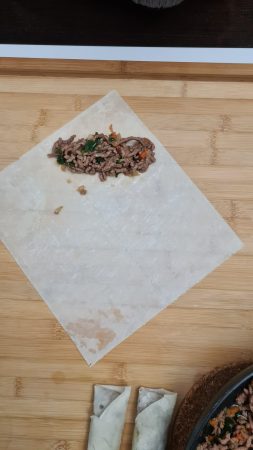
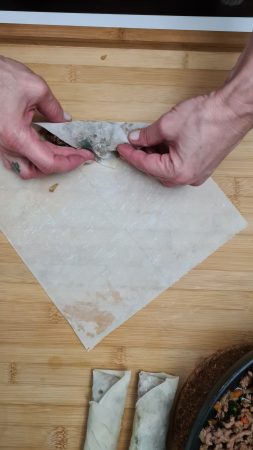
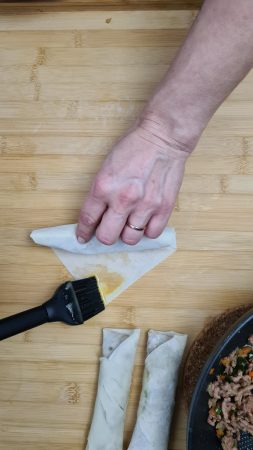
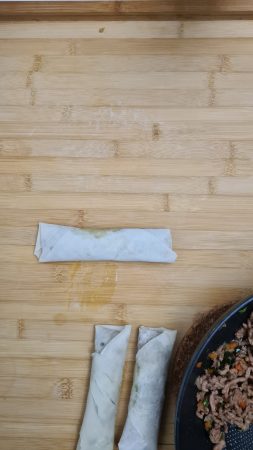
Roll Lumpia well is key to getting crispy texture with great flavor. Here’s how to roll them right:
- Keep Wrappers Soft: Place your wrappers under a damp cloth. This helps keep them flexible and prevents them from drying out and tearing.
- Spread Filling Evenly: Place the filling evenly on one end of the wrapper to avoid overstuffing and ensure even cooking.
- Seal the Edges: Use a flour-water mix to seal the wrapper edge. Just a dab will keep it from unrolling.
- Apply Consistent Pressure: Roll with even pressure to keep them tight, but don’t press too hard or they might tear.
- Remove Air Bubbles: Gently press out air bubbles as you roll to stop the Lumpia from floating or bursting while frying.
With a bit of practice, these tips will help you roll it perfectly every time.
What are the key ingredients in traditional Filipino Lumpia?
The key ingredients in this dish are carefully selected to create a harmonious blend of flavors and textures.
- Ground pork: Often the primary protein used, providing a savory and hearty base.
- Garlic, onions, and soy sauce: Seasonings that infuse the filling with savory depth.
- Carrots, cabbage, and green beans: Finely chopped or julienned vegetables adding sweetness and crunch.
- Beaten eggs: Incorporated into the mixture to bind ingredients and enhance flavor.
- Salt and pepper: Added to taste, ensuring the filling is well-seasoned.
The wrapper is another essential component. Traditional wrappers are thin and delicate, made from a simple mixture of flour, water, and salt. Often, you can use store-bought spring roll wrappers as a convenient alternative.
- Flour, water, and salt: Ingredients used to create thin and delicate Lumpia wrappers.
Finally, this dish is typically served with a dipping sauce that complements its flavors.
- Sweet chili sauce is a popular choice, offering a delightful mix of sweet and spicy that complements Lumpia’s crispiness
- Vinegar-soy sauce for a tangy kick, enhanced with minced garlic, a bit of sugar, and for extra sweetness, a splash of pineapple juice or ketchup.
- Creamy garlic mayo or spicy aioli, if you prefer something savory, can add a rich flavor
- Peanut sauce also works well, introducing a nutty taste reminiscent of Southeast Asian spring rolls.
What is the historical origin of the Filipino Lumpia recipe?
Filipino Lumpia has deep roots in Chinese cuisine. Chinese immigrants brought their culinary traditions, including spring rolls, to the Philippines as early as the 9th century.
The word ‘Lumpia’ comes from the Hokkien language, where ‘lunpia’ also refers to a type of spring roll. As trade and cultural exchanges grew, adapting Chinese dishes with local flavors and ingredients became common, giving Lumpia its unique Filipino touch.
When the Spanish colonized the Philippines for over 300 years, their ingredients and cooking techniques further influenced Lumpia. This blend of cultures helped Lumpia become distinct in Filipino cuisine.
Moreover, as Filipino immigrants resettled around the world, they brought Lumpia along. The dish gained popularity globally, from the US to Europe. According to a survey, 85% of Filipino-Americans indicated that they regularly prepare traditional dishes such as Lumpia at home.
Today, Lumpia stands as a beloved part of Filipino celebrations and gatherings. It reflects the diverse cultural influences that shaped the Philippines, highlighting the creativity of Filipino cooking with its wide variety of fillings and preparation methods.