What is Moroccan Rfissa?
Moroccan Rfissa is a popular dish that embodies the warmth and flavors of Morocco. It’s often prepared for special occasions, like family gatherings or to support new mothers, which makes it particularly meaningful. At its heart, this dish features tender chicken and hearty lentils cooked in a rich, spiced broth. This broth is made with unique spices like fenugreek and saffron, along with a special mix called Ras el Hanout.
One of the most appealing aspects of Rfissa is how it’s served. The savory chicken and lentils are placed on a bed of shredded trid pastry, a type of flatbread similar to msemen or meloui. This pastry absorbs the tasty broth, making each bite rich and satisfying. The mix of different textures and flavors makes it a comforting and treasured dish in Moroccan cuisine.
Tips for Perfecting Your Rfissa Presentation
Presenting this dish is all about showing off its rich flavors.
Start with a wide, shallow dish that lets you highlight the colorful ingredients. Rfissa is traditionally served in a communal setup to promote sharing and togetherness.
Begin by spreading the msemmen or bread base evenly on the dish. This will be the bed for the stew to rest on. Overlap the pieces a bit for a nice look and to help soak up the sauce flavors.
Next, place the chicken and lentils carefully on the msemmen. Position the chicken pieces in the spotlight since they are the highlight of the dish. Pour the aromatic sauce generously, letting it soak into each layer and spread its rich taste.
For extra visual appeal, add a sprinkle of fresh herbs like cilantro or some thinly sliced preserved lemon. They enhance the flavor and add a pop of color, making the dish look even more inviting.
To complete the experience, Rfissa often comes with buttermilk or a refreshing salad. It’s typically enjoyed with Moroccan mint tea, which perfectly matches the rich and aromatic meal.
Tracing the Origins of Moroccan Rfissa
Moroccan Rfissa’s roots are deep in Morocco’s culture and history. It originated in Berber communities, which used local ingredients such as grains and poultry. Over time, Arab, Andalusian, and Mediterranean influences have enhanced its flavors and preparation methods.
The exact roots of the dish go back to a simpler dish called trid, which comes from the ancient Arabian dish tharid. Tharid, a bread-based meal made with meat and broth, was a favorite among Arabian tribes because it was hearty and flavorful. As Arabian merchants traveled, they brought tharid to North Africa, where it evolved into the Moroccan dish we now know as Rfissa.
What makes Rfissa uniquely Moroccan is how it incorporates local ingredients like lentils and a special mix of spices, including Ras el Hanout and fenugreek seeds. These additions not only boost the flavor but also offer nutritional benefits, especially important for new mothers.
What are the main ingredients in Moroccan Rfissa?
This dish usually includes chicken and lentils, mixed with a variety of spices. It’s served on top of traditional Moroccan flatbreads, called msemen or trid.
Here’s a breakdown of the essential ingredients
- Chicken – Serves as the central protein, absorbing the rich spices.
- Lentils – Add both texture and nutritional value.
- Trid or Msemen – Flaky, layered flatbread forming the base.
- Onions – Provide a sweet undertone to the dish.
- Garlic – Enhances the savory depth of the dish.
- Ras el Hanout – A spice blend central to Moroccan cuisine.
- Fenugreek Seeds – Offer warmth and a unique flavor.
- Saffron – Lends color and complexity.
- Parsley – Adds freshness and flavor.
- Smen – A type of fermented butter enriching the taste.
- Cooking Oil – Used to enhance the flavors.
- Olive Oil – Complements the richness of the dish
What are some popular variations of Moroccan Rfissa?
The classic Rfissa is a beloved dish, but the richness of Moroccan cooking allows for tasty variations.
- One popular version, rfissa medhoussa, swaps the standard shredded pastry for crumbled harcha bread. This choice adds a different texture, providing a heartier base that absorbs the flavorful broth.
- Another twist is treda, where you pour the savory chicken and lentil mix over cubed bread. This variation changes both the presentation and the way you enjoy the dish.
- Some cooks like to experiment by using different proteins. You can replace the traditional chicken with lamb or beef, which gives the dish a robust flavor. While these meats might take a bit longer to cook, they enrich the dish with a comforting taste.
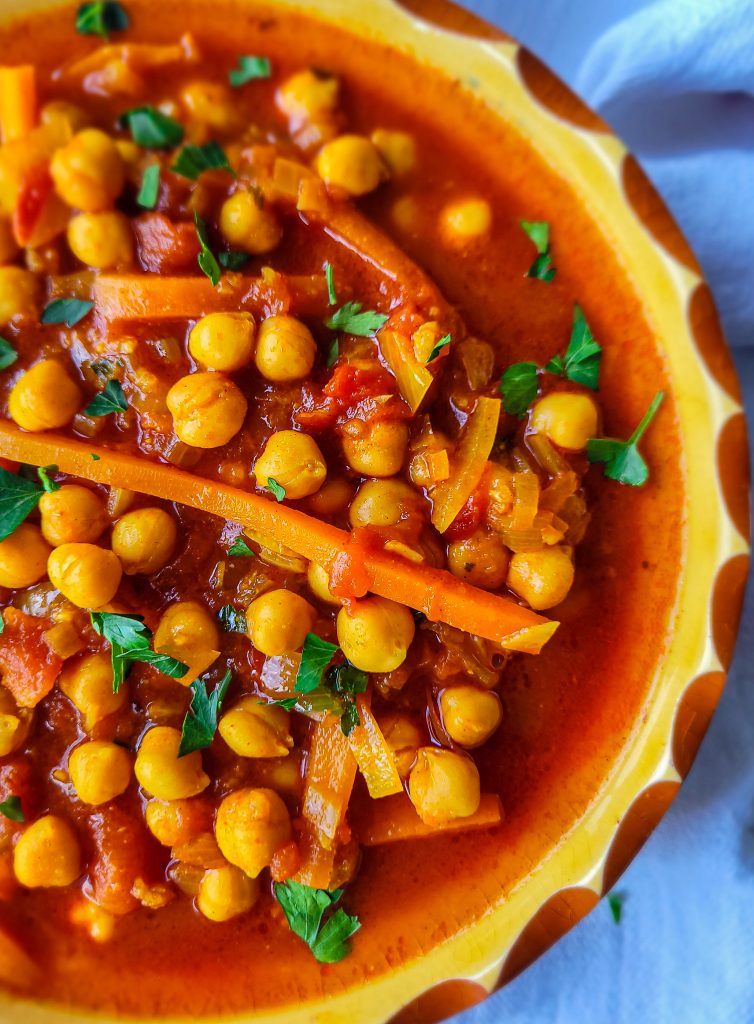
- Vegetarian versions are also gaining popularity, swapping meat for extra vegetables like carrots, zucchini, or chickpeas. This makes it a versatile dish for different dietary preferences.
Regional differences in Morocco bring unique spices or favored local ingredients into play. These inclusions highlight the diverse cultural influences that shape the dish. Adding local seasonings or side dishes enhances its appeal, showcasing the dish’s adaptability.
What are the Health Benefits of Rfissa?
When you savor a delicious plate of Moroccan Rfissa, you’re not just enjoying a traditional dish; you’re also reaping the benefits of its nutritious ingredients.
That’s why in Moroccan culture, this dish plays a significant role in postpartum recovery.
- Protein Powerhouse: Chicken is a lean source of protein that helps build and repair tissues, making It an excellent choice for maintaining muscle health.
- Heart-Healthy Lentils: Packed with fiber, lentils play a significant role in enhancing digestive health and reducing cholesterol levels. thereby contributing to overall heart wellness.
- Antioxidant-Rich Fenugreek: The fenugreek seeds in the dish are rich in antioxidants, which can help combat inflammation and support a healthy immune system.
- Low-glycemic ingredients, such as lentils and whole grains in the shredded trid pastry, help regulate blood sugar levels, making it a favorable meal for individuals managing diabetes.
- Vitamins and Minerals: The use of spice blends in Rfissa infuses the dish with essential vitamins and minerals that bolster overall health and wellbeing.
In essence, this is a wholesome dish that aligns with a nutritious lifestyle, making it a beloved staple in Morocco.
What are some tips for making the perfect Moroccan Rfissa?
Making a delicious Moroccan Rfissa is all about mixing tradition with your personal touch. Here are some simple tips to help you create an authentic and tasty dish:
- Use Fresh Ingredients: Start with fresh, high-quality ingredients. Choose organic chicken and locally grown vegetables and herbs. Fresh produce really boosts the flavor of your Rfissa.
- Balance Your Spices: This dish relies on key spices like turmeric, ginger, and fenugreek. Use these spices carefully to create a well-balanced flavor, as fenugreek can be quite strong.
- Cook it Right: The key to great Rfissa is cooking the chicken until it’s tender and the spices blend well together. Cooking on low heat for a longer time helps the flavors come together beautifully.
- Make a Flavorful Broth: A rich broth is the heart of the dish. Use both cooking oil and olive oil for depth of flavor, and if you can, prepare your own chicken stock for an extra boost.
- Shred the Flatbread Correctly: When you prepare the msemen (the flatbread), make sure to shred it into pieces that will soak up the broth nicely without becoming too mushy.
- Add Finishing Touches: Before serving, sprinkle some fresh parsley or coriander on top. This adds a pop of color and freshness that really brightens the dish.
Remember, cooking with patience and love makes all the difference!
How does Rfissa compare to similar dishes in other cultures?
Exploring dishes from around the world reveals how many cultures enjoy similar basic ingredients like meat, bread, and flavorful broths.
- Mandi from Yemen showcases this beautifully. Like Rfissa, it’s a dish meant for sharing. Chefs prepare Mandi with basmati rice and spices such as cardamom and cloves, creating a distinctive taste and texture. Both meals serve family gatherings but highlight different regional flavors.
- Biryani from India offers another interesting comparison. It shares several characteristics with Rfissa, especially its use of rich spices and slow cooking. However, Biryani emphasizes rice over bread and incorporates a unique spice mix with ingredients like fenugreek, saffron, and ras el hanout, giving it a distinct flavor.
- Mansaf from Jordan also features meat served on flatbread. Unlike Moroccan version, Mansaf typically uses lamb and includes jameed, a type of fermented yogurt. This ingredient adds a tangy flavor that contrasts with the rich savory taste of Rfissa.
- In Ethiopian cuisine, Doro Wat stands out as another chicken stew that shares some similarities with Rfissa. Cooks prepare it with a spicy sauce made from berbere spice, and they serve it with injera, a type of sourdough flatbread. While both dishes burst with flavor, Rfissa includes lentils and its special spice mix, which sets it apart from the bold taste of Doro Wat.
- Lastly, Fatta from Egypt comes to mind as a traditional dish featuring layers of rice, crispy bread, and tasty meat. Much like Rfissa, families enjoy Fatta at communal meals, and it rich in spices. However, its tangy garlic tomato sauce gives Fatta a distinct flavor that differs from the aromatic experience of Moroccan dish.
Overall, these dishes demonstrate the diversity and interconnectedness of global cuisine.