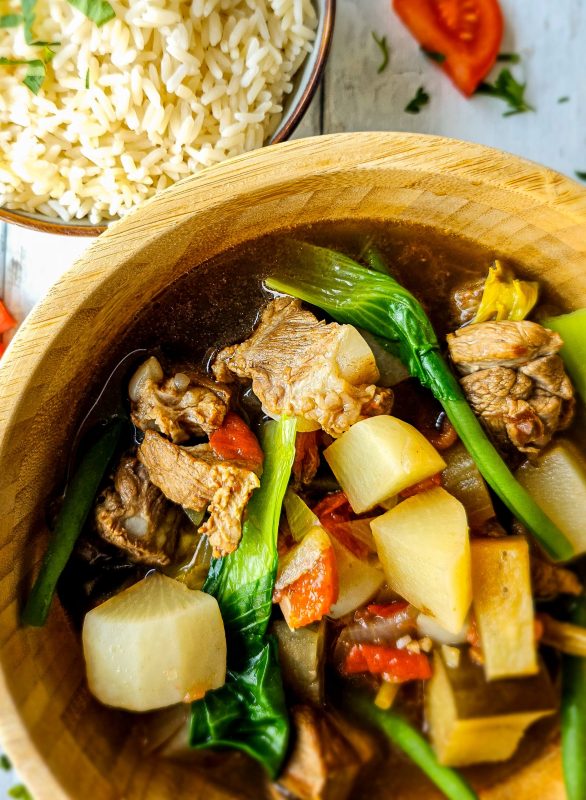
What is Filipino Sinigang?
Sinigang is a beloved dish in the Philippines, known for its delicious sour flavor. It is typically made with meats like pork, shrimp, or fish, all simmered in a savory broth. The sourness comes from ingredients such as tamarind, sour fruits like bilimbi, or even unripe mangoes. This provides a distinct tang that many people enjoy.
What makes Sinigang special is its versatility and significance in Filipino culture. Families often gather to enjoy a hot bowl of Sinigang with a side of steaming white rice. It is a comforting meal that evokes memories of home-cooked dinners.
In a recent survey, a significant majority of Filipinos—70%—chose Sinigang as their favorite traditional dish. Each region and family may have their unique method of preparing it with a personal touch to every version.
Sinigang is ideal for any occasion, whether to warm you up on a rainy day or to celebrate a special event. It reflects the creativity and resilience of Filipino culture by utilizing locally available ingredients to the fullest.
What ingredients are essential for making authentic Filipino Sinigang?
At the heart of any authentic Filipino Sinigang is the key ingredient that sets it apart:
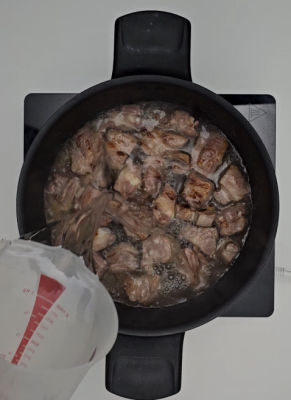
- Tamarind: This souring agent plays a pivotal role, providing the distinct tanginess that the soup is famous for. However, alternative souring agents can include calamansi, kamias, or even green mangoes.
Alongside tamarind, the savory components add depth to the dish:
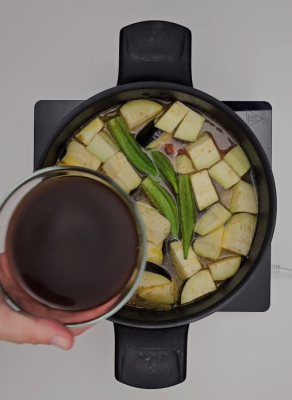
- Soy Sauce or Fish Sauce: Adding a depth of umami that complements the tang.
Essential vegetables that commonly accompany the main protein include:
- Long Beans
- Eggplant
- Water Spinach: These vegetables absorb the sour broth, enhancing their flavors.
The favored protein choice, with variations possible, often includes:
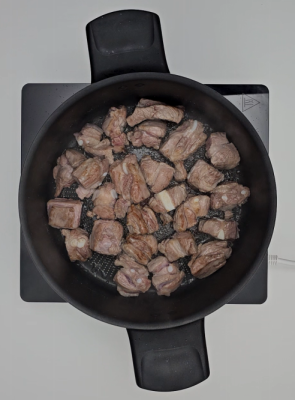
- Pork: Belly or ribs are popular options. But you might also find tasty choices like shrimp or fish, depending on where you are or what you like.
Aromatic ingredients form the flavorful base of the soup:
- Onions
- Tomatoes
- Garlic: These are sautéed when starting the dish
How to Serve Sinigang: Tips for a Perfect Meal
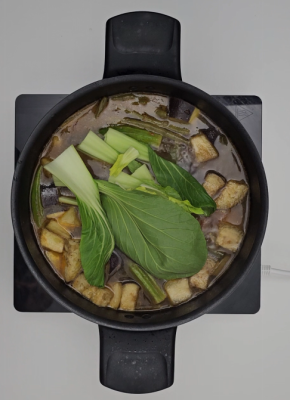
Sinigang is typically served in a large bowl filled with a flavorful broth, meat, and a variety of vegetables.
To create the perfect meal, pay attention to how you prepare and serve it:
- Serve with Rice: This dish isn’t complete without warm, fluffy white rice. The rice absorbs the tangy broth, adding a comforting balance to the rich soup.
- Temperature Matters: Serve it hot. This not only enhances its wonderful aroma but also keeps the vegetables fresh and crisp.
- Add Some Garnish: You might want to sprinkle some chopped green onions on top. Additionally, you can offer chopped green chilies on the side for those who prefer a bit of spice. These simple additions can really elevate the dish.
- Cook the Vegetables Just Right: Ensure the vegetables are cooked until tender but still retain a bit of bite. This keeps them from becoming mushy and allows their flavors to shine through.
- Adjust the Flavor: It’s great to let everyone customize their bowl to their own taste. Provide extra tamarind for those who prefer a more sour flavor. Moreover, you can provide some fish sauce for those who prefer a saltier taste.
- Fun Side Dishes: If you want to mix things up, try serving it with lumpiang shanghai, which are crispy Filipino spring rolls. They add a fun twist to the meal. Alternatively, a refreshing banana heart salad or grilled fish can complement the main dish perfectly.
What are the health benefits of eating Sinigang?
Sinigang stands out not only because of its enticing taste but also its numerous health benefits. Here are some key health benefits of enjoying this traditional dish:
- Rich in Vitamins: Packed with vegetables like taro, eggplant, and kangkong (water spinach). These ingredients provide a hearty dose of fiber and essential vitamins.
- Protein Power: Complemented by meats like pork, beef, shrimp, or fish, it offers a well-rounded protein source for a balanced meal.
- Antioxidant Properties: The tamarind, which provides its signature sourness. Additionally, it is renowned for its antioxidants, which help support overall health.
- Digestive Aid: Tamarind’s sour flavor encourages the release of saliva and digestive juices, thus aiding in digestion.
- Immune Support: During cooler weather or bouts of cold or flu, the vitamin-rich composition can help bolster the immune system.
- Comforting Warmth: Its warm broth offers soothing comfort, making it a popular choice for colder days.
Soups with a Tang: Sinigang and Its Worldly Cousins
Similar dishes exist in other cuisines, each offering a different take on the sour soup idea.
- Tom Yum Soup from Thailand: This Thai favorite is bold and aromatic. While Sinigang uses tamarind for its savory taste, Tom Yum uses lemongrass and lime juice for a citrusy aroma. It also includes galangal, kaffir lime leaves, and bird’s eye chili, giving it a spicy-sour profile.
- Vietnamese Canh Chua: This Vietnamese soup often features catfish and flavors from tamarind, pineapple, and tomatoes, adding a delightful sweetness to its tangy base. Like the Filipino version, Canh Chua effectively utilizes local ingredients. However, it puts a fresh twist with bean sprouts and herbs such as sawtooth coriander.
- Bouillabaisse from France: Despite their differences, these dishes have surprising similarities. Both offer a comforting broth, perfect for sharing with loved ones around a table. Sinigang uses tamarind or sour fruits to create its broth, while Bouillabaisse uses a saffron-infused fish stock. Filipino dish features Philippine vegetables like kangkong (water spinach) and labanos (radish). Bouillabaisse uses Provençal herbs and fennel.
- Borscht from Eastern Europe: It is a sour soup that features beetroot. This gives it a distinct earthy flavor and vibrant color. While both Borscht and Sinigang share a sour note, Borscht’s use of beets and fermented ingredients like kvass leads to a taste that’s different from Sinigang’s fresh and vegetal character. Additionally, Borscht often comes with a serving of sour cream on top, adding a creamy touch not typically found in Sinigang.
Can Sinigang be made with different types of meat or seafood?
Filipino cuisine boasts a variety of flavors, and Sinigang is a true standout with its unique sour taste and versatility. This beloved dish comes in many forms, each appealing to different preferences.
- One of the favorites is Sinigang na Baboy (pork Sinigang). This dish uses pork ribs or belly, giving it a rich and comforting taste. Also it includes fresh vegetables like kangkong (water spinach) and labanos (daikon radish).
- Another popular choice is Sinigang na Hipon (shrimp Sinigang). This version highlights the sweet and salty taste of shrimp, giving a lighter yet refreshing twist. With tomatoes, green chilies, and tamarind, it has the perfect balance of sour and savory flavors.
- If you prefer fish, try Sinigang na Isda (fish Sinigang). You can make it with milkfish or tilapia. This healthy option features a mix of vegetables in its signature sour broth.
- Chefs are trying new flavors in their cooking, like Sinigang sa Pakwan, which is a version with watermelon. This version adds a sweet twist to the traditional sour taste.
What is the historical origin of Sinigang in Filipino cuisine?
Sinigang is a beloved traditional dish from the Philippines with a fascinating history that combines local and international flavors. It’s thought that people have been preparing Sinigang even before the Spanish arrived in the Philippines in the 16th century. The use of sour tastes in cooking is a popular feature in many Southeast Asian countries, suggesting that Sinigang may have roots in these shared culinary traditions.
The earliest versions of Sinigang likely came from the ancestors of today’s Filipinos. These early communities utilized the fruits and vegetables available to them to create dishes with a distinctive sour flavor. As time passed, Sinigang evolved by incorporating new ingredients and cooking methods introduced through trade and colonization. Most importantly, it has always kept its Filipino character.
Over the years, Sinigang has evolved, showcasing the rich cultural diversity of the Philippines. Different regions have their own takes on the dish, using local ingredients and flavors. Even with these variations, the core idea of a sour soup remains the same, highlighting Sinigang’s lasting popularity and its essential place in Filipino cuisine.