What Is Filipino Pancit Guisado?
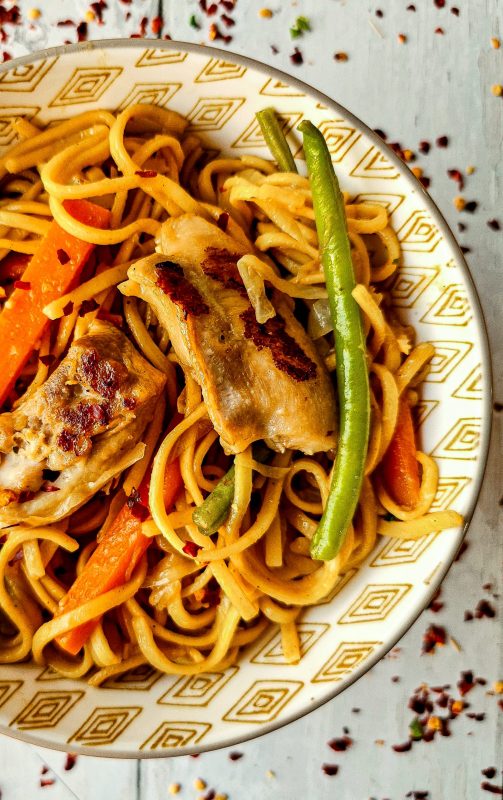
Filipino Pancit Guisado, also called Pancit Bihon Guisado, is a beloved noodle dish that you’ll find in many Filipino homes. It combines sautéed rice noodles with a tasty mix of meats, seafood, and colorful vegetables. In Filipino, “pancit” means “noodles,” and “guisado” means “sautéed” or “stir-fried,” describing how it’s cooked.
This dish stands out not only for its delicious taste but also for its flexibility. You can use different ingredients based on what you like or what’s available in your area. Whether you add chicken, pork, shrimp, or tofu, each version of this dish has its unique story.
It’s a great choice for family gatherings and special occasions, perfectly capturing the warmth and joy of Filipino dining culture. Plus, its versatility makes it an ideal dish for potlucks and community feasts, often served as a main attraction.
It is no wonder that it is one of the three most loved noodle dishes in the Philippines.
How is Pancit Guisado traditionally served?
Typically, you serve the dish on a large platter or shallow bowl, making each ingredient clearly visible. This setup not only highlights the dish’s look but also lets everyone easily help themselves.
To enhance the flavors, offer calamansi, a small citrus fruit from the Philippines, on the side. Squeeze the calamansi over your portion to add a zesty brightness that matches the savory ingredients.
In some areas, people add sliced green onions, crushed chicharrón (fried pork rinds), or hard-boiled eggs as garnishes. These toppings not only offer traditional flavor but also let you customize and add personal touches to your serving.
While delicious on its own, you often pair Pancit Guisado with other Filipino foods like lumpia (spring rolls) or grilled meats. This pairing creates a well-rounded meal that highlights the richness of Filipino culinary traditions.
Pancit Guisado vs. Pad Thai: A Flavorful Comparison
Noodles like Pancit Guisado and Pad Thai hold a special place in world cuisine. Moreover, both offer a unique taste but come from different backgrounds.
Pancit Guisado, a Filipino favorite, uses rice noodles stir-fried with colorful vegetables and proteins like chicken, pork, or shrimp. Its flavor comes from a soy sauce base, with savory fish sauce notes and a hint of calamansi—a small citrus from the Philippines.
In contrast, Pad Thai comes from Thailand. It’s known for a sweet, sour, and salty flavor mix. This dish uses tamarind paste for a tangy taste, coupled with tofu, shrimp, eggs, and crushed peanuts. Bean sprouts and lime add a refreshing crunch.
The main difference between these dishes lies in their flavor. Filipino dish leans towards savory and citrus notes, while Pad Thai blends bold tastes typical of Thai cuisine. Also Pad Thai also includes peanuts for added texture, which Filipino counterpart does not.
Pancit Guisado vs. Japanese Yakisoba: A Culinary Showdown
Pancit Guisado and Japanese Yakisoba are tasty noodle dishes with regional flavors. Filipino dish combines rice noodles, veggies, and meats like chicken or shrimp. It has modest yet comforting flavors, enhanced with soy sauce, calamansi, and light seasoning.
Yakisoba, a Japanese street food, uses firm wheat noodles, mixed with cabbage, carrots, and meats like pork or beef. Its special sauce, similar to Worcestershire, gives it a sweet-and-sour taste, different from Pancit Guisado’s soy-based flavor.
While both dishes mix noodles with veggies and meats, their flavors satisfy different tastes, showing off their cultural roots.
Whether you enjoy Pancit Guisado’s comforting taste or Yakisoba’s strong umami, both offer a delightful noodle experience.
Nutritional Insights: Pancit Guisado and Its Health Benefits
Pancit Guisado nutrition varies based on the ingredients, but here’s what you typically get:
- Low in Calories: Rice noodles keep it light and usually have fewer calories than other pastas. This makes it great for those watching their calorie intake while craving a hearty meal.
- Rich in Carbohydrates: Rice noodles provide good carbs, offering the energy needed to power through your day.
- Loaded with Vegetables: Pancit Guisado usually includes cabbage, carrots, and snow peas. These vegetables deliver vitamins, minerals, and fiber, which aid digestion and support health.
- Lean Protein: Chicken or shrimp often adds lean protein, essential for muscle growth and repair, and other bodily functions.
- Low in Fat: If you use lean meat and little oil, it stays low in fat, making it a healthier choice.
- Gluten-Free Friendly: The rice noodles are perfect for those with gluten sensitivities, offering a great alternative to wheat noodles.
Remember, portion control ensures you enjoy it healthily.
Exploring the Variations of Pancit: From Guisado to Canton
Pancit Guisado recipe features stir-fried rice noodles with vegetables, meats, and savory sauces. It offers a wide variety of flavors and styles.
- Pancit Canton presents a different approach with its thicker wheat noodles, similar to the popular Lo Mein. These noodles offer a hearty, chewy texture, often combined with soy sauce, vegetables, and proteins like chicken and shrimp for a flavor-rich experience.
- Pancit Malabon is a specialty from the city of Malabon. It features thick rice noodles with a rich, yellow-orange color from crab fat and annatto oil. Topped with seafood such as shrimp, squid, and mussels, it highlights the country’s rich marine resources.
- Pancit Sotanghon offers a unique twist with mung bean thread noodles, also known as glass noodles. These clear noodles are often cooked with chicken broth, garlic, and mushrooms for a lighter, subtle flavor.
Each variant showcases not only the dish’s versatility but also the adaptability and creativity in Filipino kitchens.
What ingredients are commonly used in Pancit Guisado?
Pancit Guisado is a cherished dish in Filipino cuisine, known for its rich flavors and textures. Here’s what you need to make it:
- Noodles: Start with bihon (thin rice noodles) for your base. You can also use canton (egg noodles) if you prefer.
- Proteins: Add slices of chicken, pork, or shrimp for savoriness. Some people add liver for an extra rich flavor.
- Vegetables: Use colorful veggies like carrots, cabbage, bell peppers, and snow peas for nutrition and color.
- Aromatics: Garlic and onions create a fragrant base that enhances the dish’s flavors.
- Sauces: Mix soy sauce and oyster sauce for a sweet and savory coating. You can add dark soy sauce for more color.
- Other Seasonings: Choose salt, pepper, and a bit of fish sauce to finish the dish with a zesty kick.
How does Pancit Guisado differ from Chinese chow mein?
Pancit Guisado uses rice noodles, giving it a unique texture and lightness. In contrast, Chinese chow mein often uses wheat-based egg noodles, which can be soft or crispy. While both are stir-fried dishes, the Filipino dish includes a mix of soy sauce, citrus (like calamansi), and local spices.
Also, the choice of vegetables and proteins sets them apart. Pancit Guisado includes cabbage, carrots, and snow peas paired with chicken, pork, or shrimp. Chow mein features bok choy, bean sprouts, and broccoli, with beef or tofu as common proteins.
Culinary techniques differ too. In Filipino variant, you cook the noodles separately, then toss them with vegetables and meat, which keeps each ingredient fresh and crispy. On the other hand, for chow mein, noodles cook together with vegetables and proteins.
What are the best side dishes to serve with Pancit Guisado?
Pairing Pancit Guisado with the right side dishes makes your meal even better. Here are some favorites to try:
- Lumpiang Shanghai: These are crispy, savory spring rolls. They add a nice crunch to the soft noodles.
- Empanada: Stuffed with meat or veggies, Filipino empanadas add flavor that matches well with Pancit Guisado.
- Lechon Kawali: If you love meat, these crispy, juicy slices bring a rich taste.
- Ensaladang Talong: This refreshing eggplant salad adds a touch of acidity and freshness.
- Bibingka: End your meal with this sweet rice cake for a true taste of Filipino cuisine.
When you serve Pancit Guisado, remember to add slices of calamansi or lemon on the side. A squeeze of this citrus fruit boosts the flavor with its tangy zest.
What variations of Pancit Guisado exist in different regions of the Philippines?
Across the Philippines, this dish transforms with local flavors and ingredients.
In the Ilocos region, you might find Batil Patung, which combines noodles with a soft egg topping. The vibrant city of Cebu offers seafood varieties, using dried, salted fish or squid flakes for a coastal touch.
In Batangas, a spicier version awaits, with added chilies for those who love some heat.
Manila’s bustling streets feature Pancit Malabon, known for its thick rice noodles and tasty seafood sauce, showcasing the area’s love for marine harvests.
In the same vein, Pampanga, the culinary heart of the Philippines, delights with Pancit Luglug. This dish includes a starch-thickened sauce, shrimp, and various toppings, giving you a rich taste experience.
In short, each version of these noodle lets you explore the regional diversity of Filipino cuisine.
What is the historical origin of Pancit Guisado?
Pancit Guisado’s origins are tightly linked to the Philippines’ colonial history and its cultural exchanges. The word ‘pancit’ comes from the Hokkien term ‘pian i sit,’ meaning ‘something cooked fast.’ Consequently, this shows Chinese traders brought their cooking styles to the Philippines as early as the 9th century.
When the Spanish ruled from 1565 to 1898, Chinese immigrants became a part of Filipino society. They mixed their noodle dishes with local flavors and ingredients. Pancit Guisado developed from this mix, keeping Chinese cooking methods but with a Filipino twist.
The dish spread throughout the Philippines. Each region added its special touch, showing how Filipino cuisine blends different cultural influences.
Today, it is a staple in Filipino households and is often available at street food stalls.