What Is Filipino Adobo? An Introduction to the National Dish
Filipino Adobo is a popular dish in the Philippines, often called the national dish. It’s made by cooking meat with vinegar, soy sauce, and spices, giving it a savory and delicious taste. Usually made with chicken or pork, different regions have their own versions with local twists.
The special taste comes from its marinade. Ingredients like garlic, bay leaves, and black peppercorns create a wonderful smell while cooking. The meat is cooked slowly until it’s tender, making it perfect to enjoy with rice, which is a common side for Filipino meals.
Moreover, this dish is not just about taste; it also tells a story of the country’s history. It shows a mix of Spanish and native Filipino cooking styles.
How do you traditionally serve Filipino Adobo?
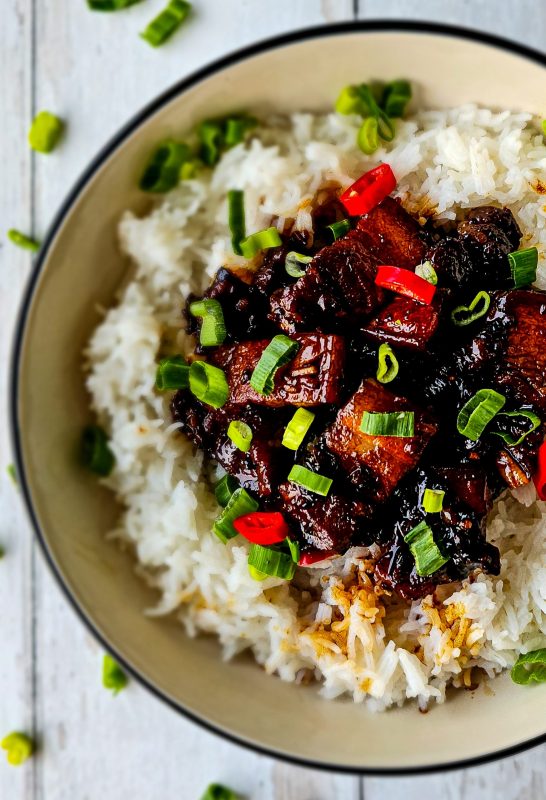
Traditionally, Filipino Adobo is served piping hot. Here’s how to serve Filipino Adobo for maximum taste:
- Place Over Hot Rice: Pair it with steaming white rice. The rice soaks up the savory sauce, balancing out the tangy and salty flavors. For a healthier option, consider brown rice or quinoa, which add a nutty texture and more fiber.
- Top with Fresh Herbs: Sprinkle with chopped herbs like scallions or cilantro for a fresh contrast and a pop of color.
- Add Some Spice: If you like heat, include sliced chili peppers or a dash of chili oil to complement the dish.
- Squeeze Citrus: Just before eating, squeeze calamansi or lemon to enhance tanginess and refresh the palate.
- Serve with Pickles: Add a side of atchara (pickled vegetables) for a sweet, sour crunch that pairs well with tender meat.
- Try crispy lumpia (Filipino spring rolls) stuffed with vegetables or ground meat for a crunchy contrast to the tender adobo.
- Serve a cucumber and tomato salad with vinaigrette dressing for the right amount of acidity and brightness.
To summarize, by serving it with these complementary touches, you’ll enhance the flavors, ensuring every bite is delicious.
Cooking Techniques: Perfecting Your Filipino Adobo
To master Filipino Adobo, focus on each step of the preparation. Choose the best ingredients, as they make a flavorful dish.
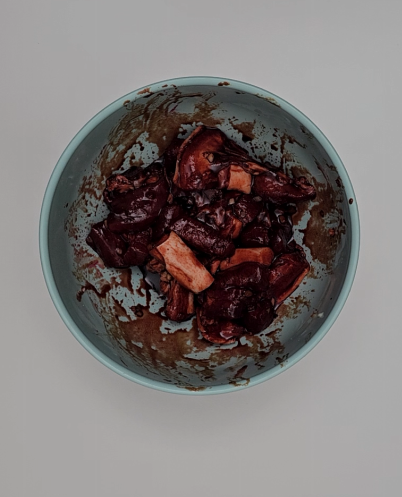
- Marinate for Flavor: Firstly, start by marinating your choice of meat—whether chicken, pork, or beef—with soy sauce, vinegar, garlic, and bay leaves. This key step infuses the meat with flavor. Marinate for at least 30 minutes, or overnight in the fridge if possible
- Sear for Texture and Smell: After marinating, heat some oil in a pan and sear the meat on all sides. Most importantly, this process seals in the juices and adds a crisp texture, enhancing the aroma and complexity of the dish
- Slow Cook for Softness: Following searing, pour the remaining marinade into the pot. Simmer the meat on low heat, letting it cook gently in its own juices. This makes the meat tender and gives the sauce a rich depth
- Balance the Taste: Taste the sauce as it simmers and tweak its tangy, savory, or sweet flavors. Also, you can add sugar or vinegar to suit your taste, ensuring a flavorful mix in every bite
Health Benefits of Filipino Adobo Ingredients
Filipino Adobo is packed with health benefits thanks to its robust ingredient list.
- Garlic: Renowned for its heart health benefits, it aids in reducing blood pressure and cholesterol levels. Also, it possesses antibacterial and antioxidant properties, which can enhance the immune system.
- Vinegar: A cornerstone of the marinade, it contributes to gut health by promoting good digestion and contains antioxidants to combat harmful free radicals. Moreover, its acidic nature helps balance blood sugar levels, advantageous for those monitoring glucose.
- Soy Sauce: Adds depth of flavor and serves as a source of antioxidants. While it’s important to monitor its sodium content, when used in moderation, it can be part of a balanced diet.
- Black Peppercorns: Import more than just spiciness; it contains piperine, which aids digestion and boosts nutrient absorption. It’s also known for its anti-inflammatory properties.
- Bay Leaves: Though often removed before serving, they infuse the dish with essential oils that aid digestion and provide a calming effect.
- Chicken or Pork: These provide a protein-rich base, supplying essential amino acids and keeping you satiated. For example, these meats are a good source of B vitamins, supporting energy production and brain health.
What ingredients are typically used in Filipino Adobo?
Filipino Adobo features a unique mix of simple, yet flavorful ingredients. At its core, you’ll find:
- Vinegar: Often made from palm sap or sugarcane, this provides the dish with its signature tanginess and helps tenderize the meat.
- Soy Sauce: Pairs with vinegar to add a salty richness, balancing the dish’s sharp and tangy notes.
- Garlic: Plays a key role, giving its comforting and robust aroma.
- Bay Leaves: Contribute a subtle earthy flavor.
- Black Peppercorns: Introduce a gentle, lingering heat.
Together, these herbs and spices capture the complex yet familiar flavors of Filipino homes. While these ingredients create the base of a traditional adobo, regional versions often add a twist. Some regions use:
- Coconut Milk: For a creamier texture.
- Sugar: For a sweet counterpoint to the savory notes.
As a result, flexibility in ingredients allows each family to tailor the dish to their tastes.
How does Filipino Adobo differ from Spanish Adobo?
While they share a name, Filipino Adobo and Spanish Adobo differ greatly, showcasing their unique cultural and culinary traditions. Filipino version uses a blend of vinegar, soy sauce, garlic, and bay leaves to marinate and cook meat, resulting in a savory, tangy, and slightly sweet dish. This flavor combination reflects the Filipino love for balancing flavors.
On the other hand, Spanish dsih uses a marinade of paprika, oregano, salt, garlic, and vinegar. It’s especially used to preserve meats, giving them a vibrant red color from the paprika and delivering a zesty, sometimes spicy, flavor that is typical of Spanish and Latin American cuisines.
Moreover, the choice of meats further highlights their differences. Filipino dish is versatile, including chicken, pork, seafood, or even vegetables, allowing for regional and personal variations. Meanwhile, Spanish version focuses on red meats, such as pork or chicken, often marinated and then grilled or roasted.
Both adobos highlight each culture’s deep respect and passion for their culinary history. .
What are the variations of Filipino Adobo across different regions?
The beauty of Filipino Adobo shines in its flexibility and the different versions you find across the Philippines. Each region adds its own twist based on local culture and ingredients, but still keeps the core essence of the dish. For instance, in the Philippines, you can find over 100 regional variations of Adobo.
In the Bicol region, they mix in coconut milk to create a richer, creamier version called Adobo sa Gata. This local ingredient adds an indulgent, silky texture and flavor.
On the other hand, In Luzon, you’ll discover Adobong Dilaw, a specialty from Batangas and Laguna that swaps out soy sauce for turmeric. This gives the dish a bright color and a milder taste. In Cavite, you’ll find Adobo with mashed pork liver, adding a hearty, savory twist to the original recipe.
In the northern islands of Batanes, people call their salted pork version Luiz. It uses minimal seasoning to highlight the meat’s natural flavors, a nod to traditional preservation methods crucial in the islands’ challenging climate.
Meanwhile, in Metro Manila, it generally sticks to the classic recipe with soy sauce, vinegar, garlic, and bay leaves. However, they might cook it until the sauce reduces to a glaze, giving it a different texture and intense flavor.
Within these regional styles, home cooks also love adding their twist, often influenced by personal or family tradition.
What are some tips for making authentic Filipino Adobo?
To make authentic Filipino Adobo, pay attention to a few details.
- Start with the marinade. Let your protein—chicken, pork, or beef—soak in vinegar, soy sauce, black peppercorns, and bay leaves for several hours, or even better, overnight. This step infuses rich flavors and tenderizes the meat.
- When cooking, start by searing the meat quickly. Browning it first helps to lock in juices and adds texture. Be generous with garlic; it’s crucial for that authentic taste.
- As the dish simmers, remember patience pays off. The longer the flavors meld, the better. Keep an eye on the liquid and add water if needed to keep a stew-like consistency.
- Finally, use Filipino ingredients like palm or sugarcane vinegar instead of regular vinegar. Taste as you go and adjust the sauce to balance salty, sour, and umami flavors just right.
What historical influences shaped Filipino Adobo?
This dish shows the rich mix of cultures in the Philippines, shaped by history over centuries. The word ‘adobo’ comes from ‘adobar,’ a Spanish word meaning ‘to marinate.’ This points to the Spanish influence, but the cooking style and taste of Filipino Adobo existed before the Spanish arrived, showing a blend of native and foreign cooking ideas.
Before the Spanish came in the 16th century, Filipinos used vinegar and salt to preserve food. This method is key to making Adobo, important in the tropical climate where food quickly spoils. Using vinegar, soy sauce, garlic, bay leaves, and peppercorns in Adobo highlights local ways to preserve food and add flavor.
The Spanish called the local dish ‘adobo’ because it reminded them of their marinades. While the Spanish adobo uses paprika and other spices, Filipino version focuses on vinegar and soy sauce. After that, Chinese traders introduced soy sauce, showing the Philippines as a cultural meeting point.
Over time, Filipino Adobo has adapted with regional variations and personal touches. Some versions include coconut milk, potatoes, or pineapple, showing the dish’s flexibility and the diverse influences in Filipino cuisine.
This dish captures the history of trade, colonization, and cultural exchange in the Philippines. It represents the country’s ability to embrace and reinterpret foreign influences while keeping a unique identity.