What Is Moroccan Msemen?
Moroccan Msemen (Msemmen) or Rghaif is a popular flatbread in Moroccan cooking. This unique bread is square-shaped and is loved for its flaky layers and delicious taste. With a slightly crispy outside and soft, flavorful layers inside, it is great for all kinds of toppings, whether sweet or savory. For example, you can serve Msemen with honey, butter, or even with hearty stews and soups.
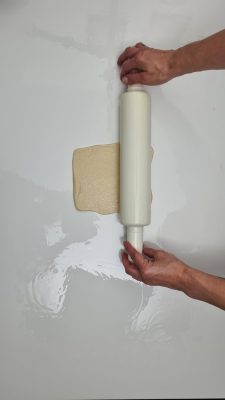
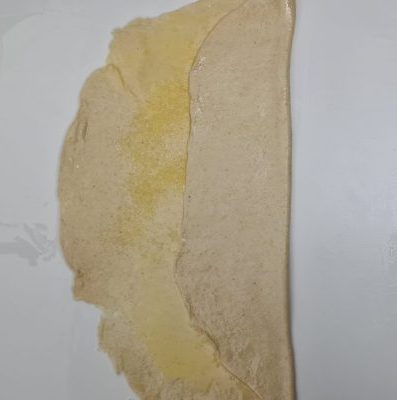
Traditionally, people enjoy Msemen for breakfast or as a snack later in the day. The dough is made from a mix of flour, semolina, yeast, and oil. It involves a fun process of rolling and folding the dough multiple times to create those lovely layers before cooking it on a griddle or pan. The end result is a tasty flatbread that represents the warmth and hospitality of Moroccan culture.
In Morocco, you can often find it sold in busy markets and food stalls. Vendors expertly prepare and cook it on large, flat griddles, creating a wonderful aroma that draws locals and tourists alike. The lively atmosphere around these stands highlights how popular and significant Msemen is in daily Moroccan life.
It is also a popular dish during cultural and religious celebrations, symbolizing joy and togetherness. It serves as a comforting food that connects everyday meals with special occasions.
More than just a tasty treat, this dish reflects Morocco’s rich and diverse heritage.
Serving Moroccan Msemen: Tips and Traditions
Think about how you present your food—it really makes a difference! Using a beautifully designed Moroccan platter not only looks lovely but also pays respect to its cultural background. This simple touch enhances the entire dining experience, turning each bite into something special.
In the morning, try Msemen for breakfast. It’s a warm and comforting flatbread that tastes amazing when served fresh with melted butter and honey or homemade fruit jams. It turns your morning meal into a delightful treat.
Later in the day, it is perfect for gatherings in the afternoon or evening. You can enjoy it plain or pair it with savory sides like aged cheese or olives, which create a nice balance of flavors. The way it’s rolled and folded gives it a crispy finish that goes well with these extras.
It pairs beautifully with Moroccan mint tea, known as atay. This fragrant tea enhances the delicious buttery, flaky texture of the pancake.
This is a versatile dish that pairs beautifully with many toppings. Here are some popular options:
- Honey and Butter: Spread melted butter and drizzle honey for a sweet start to your day.
- Olive Oil and Za’atar: Drizzle olive oil and sprinkle za’atar spices for a savory twist.
- Cheese: Try local cheese or feta for a tasty combination.
- Jam or Preserves: Add fruit jams for a sweet touch, perfect for breakfast or a snack.
- Chocolate Spread: Spread chocolate on hot Msemen for a delightful treat.
Whether you prefer sweet or savory, experimenting with different toppings lets you enjoy it in a way that suits any occasion!
Tips for Perfecting Your Homemade Moroccan Msemen
Here are some easy tips to help you succeed.
- First, always pick fresh and quality ingredients, especially the flour and semolina, as they’re key to the dish.
- Preparing the dough. Be patient and gentle when preparing the dough. Knead it until it feels smooth and elastic, which usually takes about 5-10 minutes. Let the dough rest under a damp cloth; this makes it more flexible and easier to work with.
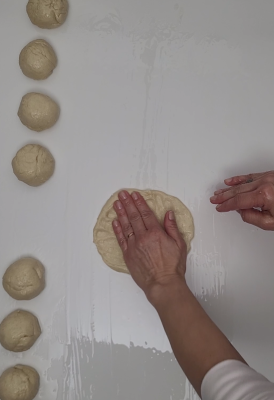
- Make each piece the same size. Divide the dough into golf ball-sized parts so they cook evenly. As you flatten and fold the dough, use plenty of oil. It helps create those classic layers and keeps the dough from sticking.
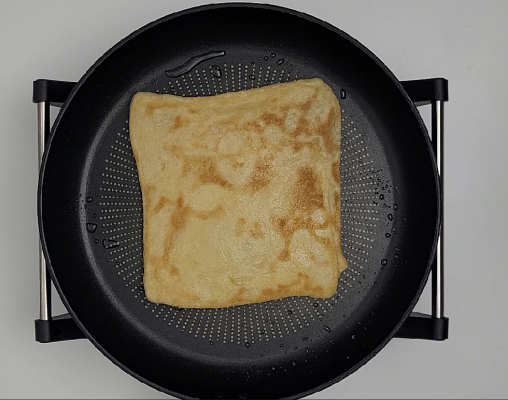
- Cook it over medium heat for a flaky, crispy exterior. A hot pan gives you that good sizzle and a nice golden-brown color. Flip them once bubbles appear, and don’t press down, as it can flatten the texture you’ve worked to create.
Remember, practice makes perfect. With each try, you’ll learn more about the dough and how to get the best texture and flavor.
What ingredients are needed to make Moroccan Msemen?
Creating Msemen at home requires a simple set of ingredients that harmonize to deliver its signature taste and texture. Here’s what you’ll need to start your culinary journey:
- Flour: The foundation of the dish, all-purpose flour gives the dough its structure.
- Semolina: Adding texture and a subtle, nutty flavor, semolina is key to achieving the right consistency.
- Salt: A pinch of salt enhances the overall flavor profile, balancing the natural sweetness from the other ingredients.
- Sugar: A small amount of sugar helps the dough rise slightly and adds a hint of sweetness.
- Baking Powder: Used to create a light, slightly puffy texture in the final product.
- Warm Water: Essential for hydrating and activating the ingredients, leading to a pliable dough.
- Oil: Vital for the laminating process to ensure the layers are distinct and the bread is flaky. Olive oil is a traditional choice, but any neutral oil works well.
Exploring Regional Variations of Moroccan Msemen
While the basic ingredients are flour, semolina, and oil, each region adds its special touch.
- In the lively streets of Marrakech, you might find it packed with spices like cumin and anise, giving the morning a savory start.
- Meanwhile, cities along the coast often add fresh herbs and a splash of olive oil to bring out a fresh taste.
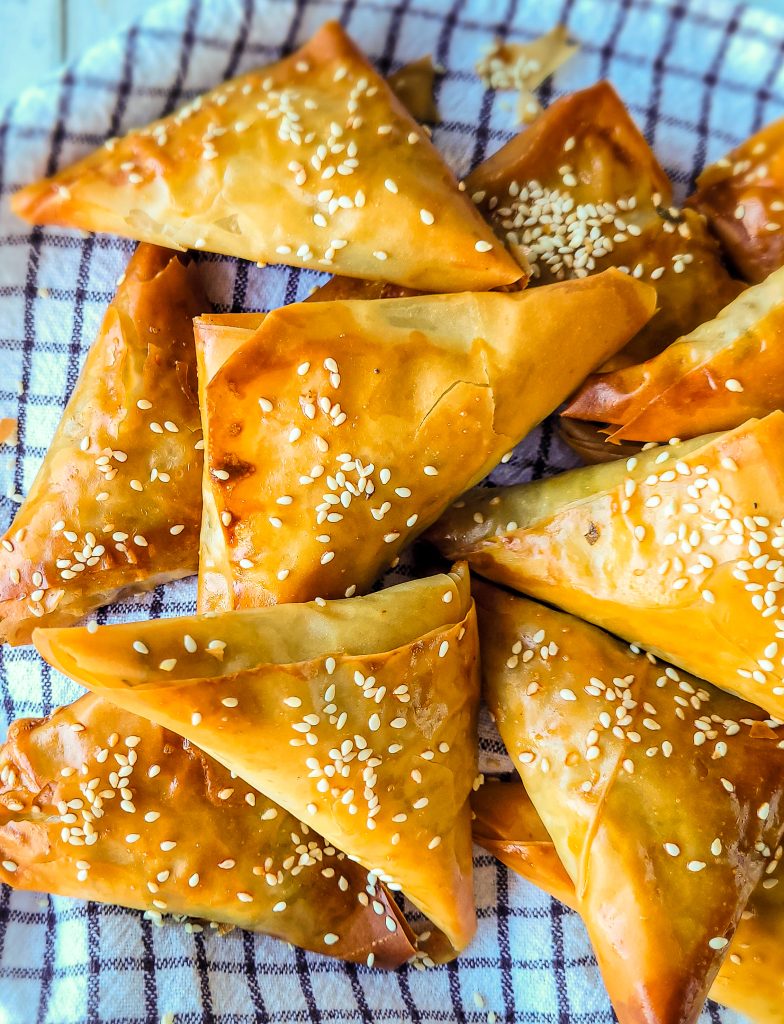
- In the Rif Mountains, you can find stuffed versions, called Rghaief, filled with spiced meats or vegetables, offering a satisfying snack or meal.
These varieties cater to different taste buds and reflect the rich agricultural diversity of the regions, showcasing Morocco’s ability to adapt culinary traditions.
What is the historical origin of Moroccan Msemen?
Msemen originated in the ancient Berber communities of the Maghreb region, which includes modern-day Morocco. These communities have been making different types of flatbreads for thousands of years, adapting their recipes based on the ingredients available and the local climate. The unique layered structure likely developed from these age-old bread-making traditions.
Over time, Arab traders and settlers also played a big role in spreading it across Morocco and other areas. In the 7th century, as Arabs expanded into North Africa, they introduced new cooking methods and spices that enriched the local cuisine. This dish, as we know it today, emerged from the blend of Berber and Arab culinary influences, combining the Berber love for bread with aromatic Arab flavors.
The name “Msemen” comes from the Arabic word for “oiled,” which reflects the way it’s prepared—using plenty of oil to achieve a flaky texture.
The culinary cross-pollination continued during the Andalusian period when Muslims and Jews migrated from Andalusia to North Africa during the Middle Ages. They brought with them knowledge and techniques that further enriched the Msemen recipe.
Today, it is a beloved part of Moroccan households, often enjoyed for breakfast or as a snack. Its journey from ancient Berber roots to its popularity today highlights the rich cultural exchanges that have shaped the food traditions of the region.
How does Moroccan Msemen differ from similar flatbreads in other cultures?
Many cuisines from around the world have great dishes that are similar in some ways. Let’s look at a few examples that show these connections.
- Indian parathas are also layered. The Moroccan dish is generally thinner and more delicate. Parathas usually have ghee or oil between their layers, while Msemen combines both oil and butter for a rich flavor. Additionally, Msemen is square-shaped, whereas parathas are typically round.
- Middle Eastern pita differs significantly from the Moroccan version. When baked, pita creates a pocket that makes it perfect for stuffing with various fillings. In contrast, Moroccan bread cooks on a griddle, resulting in a flat bread without pockets, which works well for dipping or serving with spreads.
- Unlike French crepes, which maintain a thin and smooth texture, Msemen offers a more substantial feel due to its semolina content and folding process. While people often enjoy sweet crepes filled with treats, Msemen typically serves savory options like honey, butter, or cheese, showcasing its versatility in Moroccan cuisine.
- Turkish Gözleme also resembles flatbread. Chefs usually prepare Gözleme as a round flatbread filled with ingredients such as spinach, cheese, or meat, then roll or fold it before frying. Although both Msemen and Gözleme feature thin dough and cook in a pan, Gözleme’s fillings create a distinct taste and preparation style.