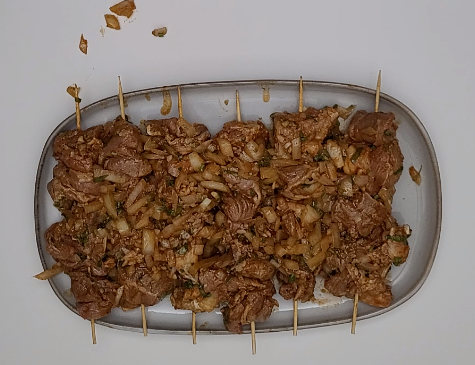
What Are Moroccan Brochettes?
Moroccan Brochettes, often called kebabs, are a popular dish in Moroccan cuisine. These delicious skewers of meat are packed with North African flavors thanks to a mix of tasty spices and fresh herbs. They are typically made with lamb or beef that is marinated in a blend of spices like cumin, paprika, coriander, and turmeric, giving them a rich and flavorful taste.
What really sets Moroccan Brochettes apart is how they are seasoned and cooked. Moreover, ingredients like preserved lemon, olive oil, garlic, and fresh cilantro add zing and keep the meat tender and juicy. The meat is threaded onto small sticks and grilled over an open flame, which gives it a nice smoky flavor that makes each bite even more enjoyable..
Whether you enjoy them as street food or at a festive gathering, Brochettes are versatile and satisfying. They make a great main dish, especially with fresh salads, couscous, or flatbreads, offering a meal full of taste and cultural significance.
How to Serve Moroccan Brochettes with Flair
Serving Brochettes lets you bring the lively spirit of Moroccan cuisine to your meal.
- Arrange Artfully: Put your brochettes on a big, pretty platter. This makes them look appealing and easy for everyone to pick their favorites. Also, you can add fresh herbs like cilantro or parsley for a splash of color and extra aroma.
- Accompany with Aromatic Condiments: Offer traditional dips like creamy hummus, spicy harissa, or cool cucumber yogurt. These give different textures and flavors, boosting the savory taste of this dish.
- Set an Inviting Table: Use table settings with Moroccan themes—vibrant colors, patterns, and textures. For example, choose colorful plates, fancy utensils, and decorative textiles to create an authentic vibe.
To really enjoy your skewers, it’s important to choose the right side dishes. Here are some classic Moroccan options that will add wonderful flavors and textures to your meal:
- Moroccan Couscous: This fluffy dish has a slightly nutty taste and absorbs the spices from the skewers beautifully. It pairs perfectly with roasted vegetables and spices.
- Traditional Moroccan Salads: Consider trying Zaalouk, which is a delicious salad made from spiced eggplant and tomatoes. Similarly, try Taktouka, which highlights roasted peppers and tomatoes. These salads offer a fresh and tasty contrast to the richness of the skewers.
- Olives and Bread: Olives bring a salty kick that complements the smoky flavor of the grilled skewers. Enjoy them with warm Moroccan flatbread, known as Khubz, which is great for scooping up all the flavors.
- Mint Tea: Don’t forget to sip on sweet mint tea! It not only refreshes but also helps with digestion after a satisfying meal.
What ingredients are typically used in Moroccan Brochettes?
Brochettes recipes usually use quality lamb, beef, or chicken, with lamb being the most traditional.
The flavor comes from:
- Lemon juice: It tenderizes the meat and adds a refreshing zing.
- Olive oil: This Moroccan staple keeps the meat moist and infuses flavors.
- Garlic: Minced garlic adds a bold aroma and depth.
- Onions: Use grated or sliced onions for sweetness and texture.
- Spices: Ground cumin, paprika, coriander, and a hint of cayenne pepper give the brochettes their signature flavor.
Finally, to finish off your skewers, include some colorful veggies like bell peppers, onions, and tomatoes. This will not only make your dish look bright and inviting, but it will also add a variety of tastes and textures that complement the juicy meat.
By putting together these ingredients thoughtfully, you can make tasty and eye-catching skewers!
Moroccan Brochettes: A Nutritional Overview
Health Benefits of Moroccan Brochettes:
- High-Quality Protein: Brochettes are skewered meats, like lamb or beef. Also, they are a great source of protein, which helps build and repair muscles.
- Antioxidant Properties: The marinade contains spices like cumin, paprika, and coriander. These spices have antioxidant benefits that help support your overall health.
- Essential Vitamins and Minerals: Adding vegetables like bell peppers, onions, and tomatoes is important for a healthy diet. For instance, they provide essential vitamins and minerals that help keep your body balanced.
- Digestive Health: The fiber from the vegetables aids in digestion, promoting a healthy digestive system
- Flexible Nutritional Options: You can choose chicken or opt for a vegetarian version, allowing you to meet various dietary needs
- Enhanced Meal Experience: Serving brochettes with whole grains or a fresh salad creates a healthy meal. This combination is full of flavor and supports a nutritious lifestyle.
What are some tips for making juicy and flavorful Moroccan Brochettes?
To achieve the right mix of juiciness and flavor in Moroccan Brochettes, follow these key tips and tricks.:
- Marinate the meat: Allow the beef or lamb to soak in a mixture of olive oil, lemon juice, garlic, onions, and spices like cumin, coriander, and paprika for at least a few hours or preferably overnight.
- Choose Fresh Herbs: Use fresh herbs like cilantro and parsley to give your dish a wonderful smell and boost the flavor. Mix them into your marinade and sprinkle some on top after grilling for extra freshness.
- Cut Meat Evenly: Make sure to cut the meat into similar-sized pieces. This helps it cook evenly and stay juicy. A little thickness can actually help keep it moist!
- Grill at the Right Temperature: Cook the brochettes on medium-high heat. This way, the outside gets a nice brown color while the inside stays tender. Flip them regularly to ensure they cook evenly.
- Baste While Grilling: Keep the leftover marinade and use it to baste the brochettes as they grill. This adds extra flavor and helps keep the meat juicy.
- Let Them Rest: After cooking, let the skewers sit for a few minutes. This helps the juices settle, making them taste even better.
- Serve Right Away: Enjoy your brochettes right after cooking, alongside a light salad or fluffy couscous for a tasty and authentic meal.
By following these simple tips, you’ll create Moroccan Brochettes that everyone will love!
What is the historical origin of Moroccan Brochettes?
Moroccan Brochettes are a popular dish in North African cooking. They are also called “Kefta” when made with minced meat and “Meshwi” when made with whole cuts. These skewers combine flavors from Berber, Arab, and French cuisines, creating a unique Mediterranean taste.
The grilling of meats in Morocco likely began during the Arab conquests in the 7th century. As traders and conquerors traveled through North Africa, they introduced their grilling methods. The Berber people of Morocco adopted these techniques, adding local spices to create what we now know as Moroccan Brochettes. The Andalusian Moors also influenced North African cooking by bringing a variety of aromatic spices and marinades.
Moroccan Brochettes gained popularity due to the local pastoral lifestyle, which uses fresh ingredients. Traditionally, people use lamb or beef for these skewers, as meat is an essential part of their diet. Seasoning includes cumin, coriander, turmeric, and paprika, highlighting Morocco’s history in the spice trade.
Over time, Brochettes evolved from simple street food to a beloved dish. Today, both locals and tourists enjoy these dishes, celebrating Morocco’s culinary heritage while appealing to modern tastes.
How do Moroccan Brochettes compare to kebabs in other cultures?
Moroccan brochettes and similar dishes feature popular skewered meats enjoyed around the globe. Let’s highlight a few examples.
Turkish Kebabs and Moroccan brochettes are popular street foods known for their delicious marinated meats. Both dishes burst with flavor from a variety of spices. However, people often recognize Turkish kebabs for their subtle taste, which comes from seasonings like sumac, mint, and Turkish red pepper. Chefs usually cook them over charcoal, imparting a nice smoky flavor. Also, there are different types of Turkish kebabs, such as Adana and Urfa, each with its own unique way of marinating and spice levels. On the other hand, Moroccan skewers tend to have a more consistent flavor across the board, focusing on a uniform blend of spices.
Greek Souvlaki offers a Mediterranean twist. Pork often takes the spotlight, but chicken and lamb are also great options. Souvlaki is a delicious Greek dish that marinates meat in olive oil, lemon juice, oregano, and garlic, giving it a bright, fresh flavor. It’s common to enjoy this dish in pita bread, topped with tomatoes, onions, and a cool yogurt sauce called Tzatziki.
Then there’s Japanese yakitori, which focuses primarily on chicken skewers. The key here is simplicity and deep flavor, with the meat glazed in a sweet soy sauce. Unlike Moroccan brochettes, which are spicy, yakitori is all about that savory taste.
Indian skewers, known as “tikka” and “kebabs,” include a variety of meats and even vegetarian options, such as marinated paneer cheese and veggies. These dishes burst with bold flavors, and they are cooked in a special oven called a tandoor, which gives the food a unique tenderness. Additionally, chefs often serve Indian skewers with refreshing dips like chutneys and raitas, while the Moroccan version pairs perfectly with flatbread or rice.