What Is Filipino Bicol Express?
Bicol Express is a fiery Filipino dish bursting with the bold and vibrant flavors of the Philippines. This tasty stew features tender pork cooked in creamy coconut milk, with a punch of heat from plenty of chili peppers. As a staple in Filipino cuisine, it stands out thanks to its perfect mix of spice, creaminess, and savory taste, making it a must-try for fans of spicy food adventures.
Named after the Bicol region in the Philippines, the dish highlights coconuts and chili peppers, essential parts of the recipe. Bicol Express isn’t just about the heat—it’s about the deep flavors from the carefully chosen ingredients. This delicious blend makes it a favorite dish both at home and abroad, inviting food lovers to discover its exciting taste and cultural importance.
This dish is also important in family and social gatherings. Therefore is often made for special events and fiestas.
Also, its place at the table shows the communal spirit and hospitality essential to Filipino culture. Sharing Bicol Express with loved ones is a warm act, representing the friendliness and togetherness found in Filipino traditions.
How is Filipino Bicol Express traditionally served? Perfect Pairings
Filipino Bicol Express is traditionally served as a main dish. In a traditional Filipino setting, it typically presented in a large serving bowl or platter, allowing family members or guests to help themselves.
Try pairing it with simple, delicious dishes and drinks to improve its rich taste.
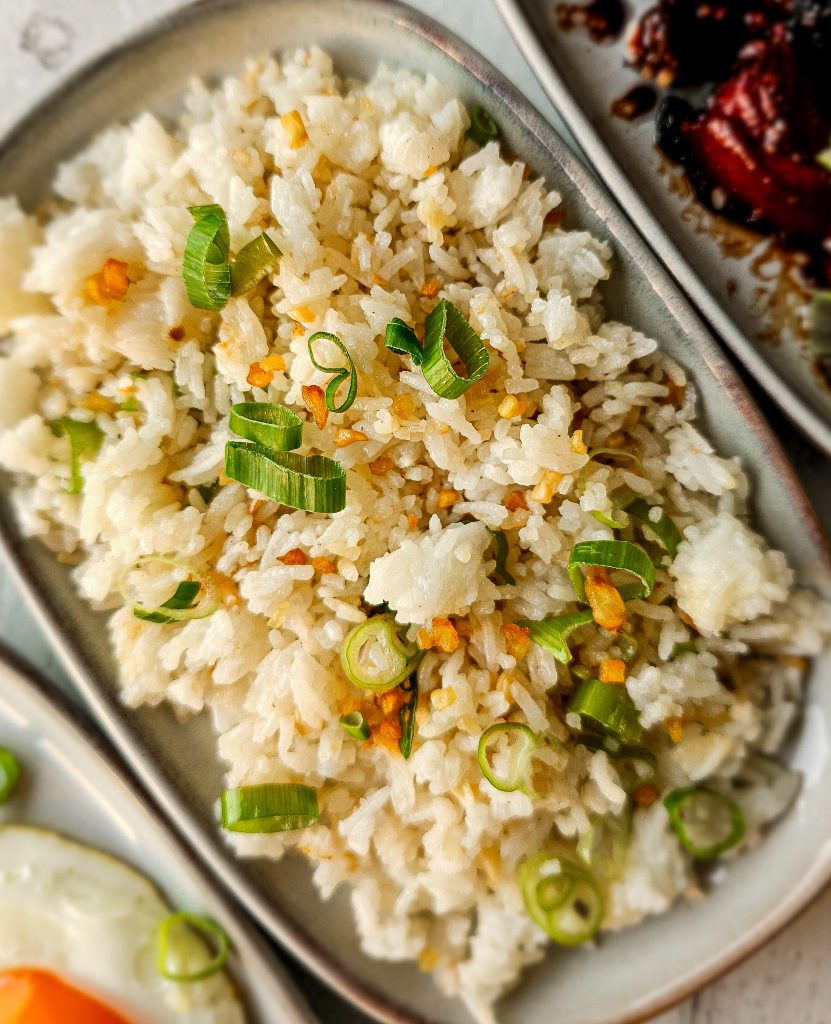
- Steamed Jasmine Rice: Its fluffy texture and slight aroma let the dish’s flavors shine
- Cucumber Salad: Its cool crunch and tangy taste refresh your palate between spicy bites
- Grilled Vegetables: Grilling makes bell peppers, zucchini, and eggplant sweeter, which pairs nicely with the spicy and creamy flavors of Bicol Express.
- Tropical Fruit Platter: Consider ripe mangoes, pineapples, and papayas. These fruits add a sweet finish to the meal and balance out the spice
- Light, Fruity White Wine or Ice-Cold Beer: These drinks not only complement Bicol Express but also cool your palate.
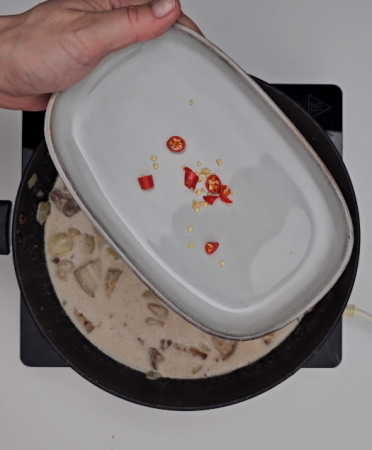
Finaly, you can garnish it with sliced green onions or red chili peppers for added color and flavor.
Bicol Express vs. Thai Green Curry: A Spicy Comparison
Bicol Express and Thai Green Curry both pack a punch with their spicy flavors. They’re both famous for their use of chili peppers, but they have their own unique tastes and backgrounds.
Thai Green Curry boasts a complex scent and moderate heat. It features a paste with ingredients like kaffir lime leaves, lemongrass, and galangal. This dish is more herby, offering a spicy, tangy, and sweet taste blend, often enhanced by fish sauce and Thai basil.
On the other side, the Filipino dish keeps it simple and packs an intense spicy punch. With creamy coconut milk and fiery chili, it stands out. Ginger brings warmth and earthiness, blending well with the savory sautéed pork.
Both dishes highlight their cultural origins. Bicol Express is rooted in Filipino cuisine, especially in the spice-loving Bicol region. On the other hand, Thai Green Curry showcases the fresh and fragrant flavors of Thai cooking.
Bicol Express allows you to adjust the spice level to your liking, making it a versatile dish. While you can tweak Thai Green Curry, it keeps its classic complexity with its unique mix of herbs and spices.
Crafting the Perfect Bicol Express: Tips and Tricks
To make the perfect Bicol Express, focus on the details.
- Choose the best ingredients. Fresh, tender pork belly will make the dish delicious.Pick fresh chilies for the spicy kick that’s a key feature. Use fresh coconut milk to enhance the creaminess and authenticity of the dish
- Balance the flavors carefully. The chilies’ heat should highlight, not overpower, the rich coconut milk. Adjust the spiciness to your liking by changing the type or amount of chili.
- Add fish sauce for a deeper flavor, but use it sparingly to maintain balance in the dish.
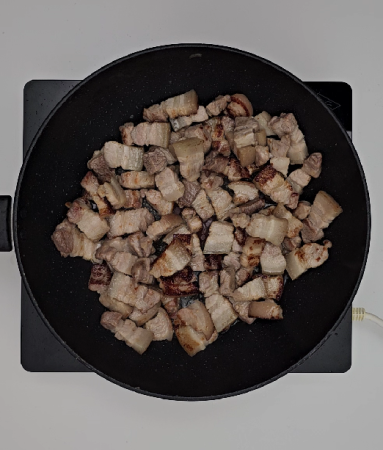
- Time it right when cooking Bicol Express. Sear the pork until it is caramelized to lock in flavor before simmering, adding savory depth to the dish.
- Let the dish simmer long enough to make the pork tender and allow the flavors to blend perfectly.
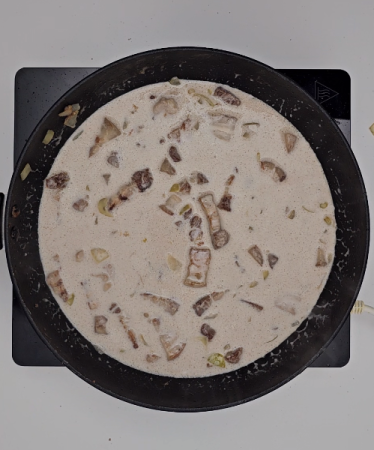
- Avoid mistakes such as adding too much coconut milk at once, which can dilute the taste. Add it gradually and let it thicken as it cooks.
- Lastly, let the dish rest after cooking to boost its flavors before serving.
What are the ingredients of Bicol Express?
Here’s a breakdown of what goes into this classic Filipino dish:
- Pork: Often sourced from the belly or shoulder, it provides a rich, savory taste. Marinating the pork enhances its flavor and tenderness.
- Coconut Milk: A staple in Filipino cuisine, it adds a creamy texture and a hint of sweetness, balancing the chilies’ heat.
- Chilies: Typically, Thai bird chilies are used, offering a spicy kick. Adjust the quantity to suit your heat tolerance.
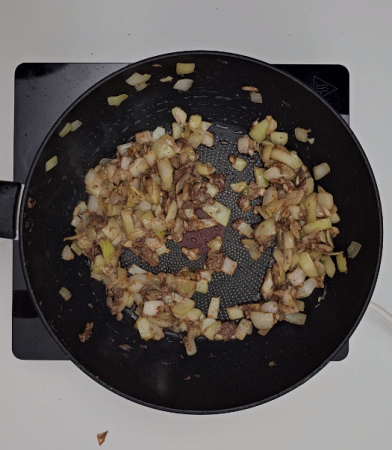
- Garlic, Onions, and Ginger: These aromatics provide depth and warmth. Sautéing them releases their natural flavors and aromas.
- Bagoong (Fermented Shrimp Paste): This ingredient adds a unique umami flavor to the dish.
- Additional Vegetables: Some recipes include string beans or eggplant for extra texture and nutrients.
Are there of variations Bicol Express in different regions of the Philippines?
This beloved Filipino dish, sees many interpretations across the Philippines. The traditional version features rich coconut milk, spicy chili peppers, and pork. However, different regions add their own twists based on local tastes and available ingredients.
Some areas, especially coastal ones, mix seafood like shrimp or crab into the dish, balancing the creamy and spicy flavors wonderfully. This variation offers a lighter, but equally delicious option.
In Metro Manila, a more accessible version of Bicol Express often features less spicy peppers, such as green bell peppers, to cater to those with milder palates. This adaptation still maintains the creamy coconut milk base and pork as the primary protein but offers a more subdued heat level.
In the Visayas, particularly in Cebu, cooks might add a touch of sweetness to the dish by incorporating sugar or using sweeter varieties of coconut milk. Moreover, this variation balances the spiciness and creates a more rounded flavor profile.
In Mindanao, where diverse culinary influences abound, some versions of Bicol Express include additional vegetables like string beans or eggplant, adding texture and nutritional value. The use of local spices and herbs also contributes to a distinct flavor that sets it apart from the traditional recipe.
You might find Bicol Express made with chicken or beef in landlocked areas or places that love innovation. These options bring different textures and flavors to the dish. Similarly, vegetarian versions are also gaining fans, with tofu or vegetables like string beans replacing meat, catering to diverse dietary needs.
No matter the version, the key elements—coconut and chili—stay true. This versatility allows you to customize the dish while keeping its traditional essence.
What are the common mistakes to avoid when cooking Bicol Express?
your dish is perfectly sumptuous and packed with the right amount of spice and flavor.
- Overcooking the Pork: A classic error is overcooking the pork, which can lead to tough, rubbery meat. Always cook on low to medium heat and keep an eye on your pork cubes to maintain their tenderness.
- Using Stale Coconut Milk: Freshness is key! Using stale or canned coconut milk past its prime can result in a lackluster flavor. Whenever possible, opt for fresh coconut milk for the richest taste.
- Ignoring the Spice Balance: Bicol Express is undeniably a spicy dish, but achieving the right balance is crucial. Therefore, pay attention to the number of chillies you add. Too many might overpower the other flavors, while too few could diminish the dish’s signature kick.
- Skipping the Sauté Step: Some cooks might rush the process and skip sautéing the aromatics like onions, garlic, and ginger. This step is essential for developing the dish’s deep, complex flavors.
- Not Allowing Ingredients to Marry: Letting your Bicol Express simmer allows the flavors to marry and build depth. Rushing this step can result in a dish that lacks the harmony of well-developed taste.
What is the historical origin of the Filipino Bicol Express recipe?
The historical origin of Filipino Bicol Express is a fascinating tale that intertwines regional culinary traditions with modern innovation.
It comes from the famous Bicol Express train line, known for its quick and direct trip between Manila and the Bicol region, much like the bold flavors in the dish.
Cely Kalaw named the dish during a 1970s cooking competition in Manila. She chose “Bicol Express” to honor the spicy delights of Bicol and the adventurous spirit of the train. The name became popular, changing how people see and talk about this flavorful dish.
Cely Kalaw, who owned a restaurant in Manila, wanted the dish to captured the essence of Bicolano cuisine but was accessible to the urban palate. She drew inspiration from the bold ingredients of Bicolano cuisine, crafting a dish that captivates taste buds while honoring her roots. The Bicol region accounts for 70% of the Philippines’ coconut production, which is one of the key ingredients in the dish.
While Bicol Express is often associated with the Bicol region, it is important to note that the dish itself was popularized in Manila. It represents a fusion of traditional Bicolano ingredients with the culinary creativity of a chef who sought to bring regional flavors to a broader audience. This blend of tradition and innovation is what makes Bicol Express a unique and beloved part of Filipino cuisine.