What Is Filipino Garlic Rice?
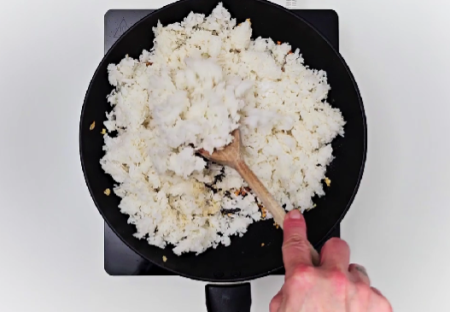
Filipino Garlic Rice, known as Sinangag, is a staple in many Filipino homes. People usually make it with pre-cooked or day-old rice. Fresher rice tends to be too moist and sticky, affecting the texture. Day-old rice, stored overnight in the refrigerator, becomes firmer and absorbs the flavors better.
It stands out for its simplicity. With just garlic, rice, salt, and sometimes a bit of soy sauce or seasoning, it captures the essence of Filipino home cooking: flavorful, uncomplicated, and satisfying.
Whether as breakfast or a side dish for dinner, Filipino Garlic Rice always delivers a comforting taste of home.
How To Serve Filipino Garlic Rice?
This simple dish can accompany various meals throughout the day. Usually eaten for breakfast, it pairs well with tocino (sweet cured pork), longganisa (Filipino sausage), or tapa (marinated beef). For a complete meal, serve it with a fried egg on top—known as silog.
This rice dish also fits into lunch or dinner. Serve it as a side dish to grilled meats, fried fish, or barbecued pork. Its garlic flavor complements main courses without overpowering them.
To balance the rich garlic notes, add a simple side salad or steamed vegetables. Whether for a special occasion or a simple meal, Garlic Rice can elevate your dining experience.
Traditional Ingredients in Sinangag
The essential elements include:
- Rice: Use day-old, pre-cooked rice for its dryer texture, which absorbs the flavors without becoming mushy. Long-grain white rice is the traditional choice.
- Garlic: Mince or finely chop garlic. The garlicky aroma and slight crunch are signature features of this dish.
- Oil: Use a neutral oil, like vegetable or canola to fry the garlic and rice, ensuring that the flavors meld beautifully.
- Salt and Pepper: Basic seasonings that elevate the taste, making the rice savory and well-balanced.
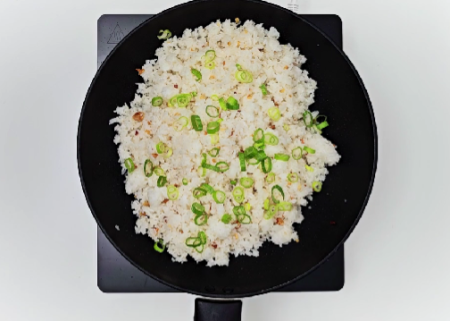
These ingredients create the basic dish. You can add optional ingredients like soy sauce or toppings such as chopped scallions and extra fried garlic bits for more flavor and texture.
Pro Tips for Making the Perfect Filipino Garlic Rice
Here are pro tips to elevate your dish:
- Use Day-Old Rice: Fresh rice is too moist and clumpy. Day-old rice is drier and gives you a crispy texture. Break apart the grains before cooking.
- Toast the Garlic: Toast garlic until golden brown. Avoid burning it, as burnt garlic tastes bitter. Fry garlic slowly over medium heat.
- Control Your Heat: Start with medium heat for the garlic. Then, increase to medium-high when you add the rice. This prevents garlic from burning and ensures even cooking.
- Season Well: Season your rice with salt and pepper. Add soy sauce for an extra layer of flavor. Keep it simple to capture the traditional essence.
- Don’t Overcrowd the Pan: Fry rice in batches if needed. This ensures each grain cooks evenly and becomes crispy. Overcrowding leads to steaming instead of frying.
- Garnish: Garnish with fried garlic bits and chopped spring onions. These enhance both taste and visual appeal.
Remember, practice makes perfect. The more you make it, the better you’ll get.
Filipino Garlic Rice vs Spanish Arroz Al Ajillo
Both Sinangag and Spanish Arroz Al Ajillo celebrate the flavors of garlic. However, they offer unique culinary experiences.
- Ingredients and Preparation: Filipino dish uses day-old rice stir-fried with garlic until crispy, seasoned simply with salt and pepper. Arroz Al Ajillo, however, often includes ingredients like saffron, chicken broth, and proteins, making it more complex.
- Serving Styles: Filipino version is typically served for breakfast with fried eggs, dried fish, or tocino. Pn the other hand, Arroz Al Ajillo is usually served as a main dish for lunch or dinner, often paired with seafood.
- Flavor Profiles: Sinangag offers straightforward, rich garlic flavors, while Arroz Al Ajillo provides a more layered taste experience due to its varied ingredients.
While both dishes spotlight garlic, Sinigang focuses on simplicity and pure garlic flavor, making it versatile. Arroz Al Ajillo, with its rich blend of flavors, showcases Spanish culinary diversity.
Comparing Filipino Garlic Rice and Chinese Fried Rice
Key differences stand out when comparing Sinangag and Chinese Fried Rice. Both use pre-cooked rice and frying but with distinct flavors and ingredients.
- Flavor Profile: Sinangag features a strong garlic taste, using sautéed garlic to infuse the rice. Chinese Fried Rice, however, includes soy sauce, vegetables, eggs, and sometimes meat, offering a more complex and savory profile.
- Ingredients: Sinangag is simple, made with rice, garlic, oil, and salt. It might be garnished with spring onions. Chinese Fried Rice includes vegetables, proteins like chicken or shrimp, and seasonings such as oyster sauce.
- Cooking Techniques: Both are stir-fried, but Sinangag focuses on a crispy texture and garlic aroma. Chinese Fried Rice is quickly stir-fried with high heat to achieve “wok hei” or a slight char.
- Serving Traditions: Sinangag is a breakfast staple, often served with fried eggs and cured meats like tapa. Chinese Fried Rice is versatile, enjoyed any time, and often part of festive meals.
How Filipino Garlic Rice Stacks Up Against Japanese Garlic Rice
Both Filipino Garlic Rice and Japanese Garlic Rice focus on garlic but differ in taste and preparation. Filipino Garlic Rice uses day-old rice stir-fried with plenty of garlic. This method gives the rice a crispy texture. The dish is seasoned with rock salt and black pepper, and sometimes garnished with scallions.
Japanese Garlic Rice is more delicate. It uses sticky, short-grain rice that soaks up flavors well. The dish may include soy sauce, butter, and sometimes vegetables or meat. Garnishes like sesame seeds or parsley add elegance.
These dishes highlight garlic in different ways, reflecting their unique culinary traditions. Filipino version offers bold flavors, while Japanese Garlic Rice provides a harmonious taste. Both are delightful dining experiences.
Common Variations of Filipino Garlic Rice
While the traditional recipe uses basic ingredients like garlic, salt, and day-old rice, there are several delicious variations to suit different tastes.
- Sinangag with Egg: Toss a beaten egg into the hot rice mixture. The egg cooks quickly and adds a richer texture. You can also top the rice with a sunny-side-up or scrambled egg for a more appealing look.
- Protein-Packed Sinangag: Add diced ham, crispy bacon bits, or leftover grilled chicken for more protein. You can also use traditional Filipino meats like tocino (sweet cured pork) or longanisa (Filipino sausage).
- Vegetable Sinangag: Add green peas, carrots, and bell peppers to make the dish more nutritious. Sauté the vegetables before adding the rice and garlic to the pan.
- Sinangag with Soy Sauce: A splash of soy sauce gives the dish a deeper umami flavor. This variation is perfect for those who want more seasoning and color. You can also try other sauces like oyster sauce for a unique twist.
- Spicy Sinangag: Add diced chili peppers or a spoonful of chili garlic sauce for some heat. This variation gives a spicy kick that complements the savory and garlicky flavors of the rice.
How To Pair Sinangag With Other Dishes
This dish is a culinary chameleon that can enhance almost any meal. Its simplicity allows it to pair seamlessly with a variety of dishes, making it a staple on many Filipino tables. Here are a few classic and delicious pairings:
- Fried Eggs: A traditional Filipino breakfast often starts with garlic rice topped with fried eggs. The runny yolk adds a rich, creamy texture that complements the savory garlic flavors.
- Pork Tocino: This sweet and savory cured pork dish, when served with garlic rice, creates a balanced meal with contrasting flavors that delight the palate.
- Longanisa: A type of Filipino sausage, longanisa’s bold, garlicky, and slightly sweet taste melds perfectly with the subtle garlic notes of Sinangag.
- Tapsilog: This popular combination of tapa (cured beef), fried rice, and sunny-side-up egg is a hearty choice loved by many Filipinos. The savory tapa pairs wonderfully with the garlic-infused rice.
- Grilled Vegetables: For a lighter option, serve garlicky rice alongside a medley of grilled vegetables. The charred and crisp textures of the veggies bring an exciting dimension to the meal.
- Seafood: Try pairing it with garlic butter shrimp or grilled fish. The garlic notes in both the rice and seafood harmonize to create a unified yet multi-layered dish.
In essence, Filipino Garlic Rice can be the perfect companion to both robust dishes and lighter fare.
What is the historical origin of Filipino Garlic Rice?
The historical origin of thsi dish can be traced back to the country’s agricultural roots. Rice has been a fundamental part of the Filipino diet for centuries, dating back to pre-colonial times. The practice of frying leftover rice with garlic likely emerged as a practical solution to avoid food waste, a common concern in agrarian societies. Garlic, which is widely grown in the Philippines, adds a distinctive flavor and has antimicrobial properties, making it a valuable ingredient in tropical climates.
Spanish colonization, which began in the 16th century, also influenced Filipino cuisine. The introduction of new ingredients and cooking techniques from Spain and Mexico enriched the local culinary landscape. However, the core elements of Sinangag—rice and garlic—remained unchanged, reflecting the resilience of traditional Filipino food practices. Over time, Sinangag evolved to include various regional variations, incorporating local ingredients and flavors.
Sinangag has evolved through generations but remains deeply rooted in Filipino culture. It symbolizes not just a meal but the Filipino value of resourcefulness and the importance of family gatherings and communal meals. Today, this humble dish continues to bring warmth and comfort to Filipino tables, both in the Philippines and around the world.
What are the health benefits of Filipino Garlic Rice?
Sinangag offers a variety of health benefits, making it not only a tasty choice but a nutritious one as well:
- Boosts Immune System: Garlic contains immune-boosting properties, helping to ward off common illnesses.
- Regulates Blood Sugar: Garlic helps regulate blood sugar levels, making this dish a good choice for those monitoring their glucose levels.
- Promotes Heart Health: The heart-healthy benefits of garlic can contribute to lower cholesterol levels and better cardiovascular health.
- Aids Digestion: Garlic can stimulate digestion, ensuring a healthier gut and improved metabolism.
- Rich in Antioxidants: Garlic contains antioxidants that help combat oxidative stress, promoting overall well-being.
- Low in Fat: Thsi dish is typically low in fat, especially when prepared with the right oils and without additional fatty ingredients.
- Gluten-Free: Naturally gluten-free, this dish is suitable for those with gluten sensitivities or celiac disease.