What Is Zagorski Štrukli?
Zagorski štrukli is one of the most beloved traditional dishes from Croatia’s northern region, Hrvatsko Zagorje.
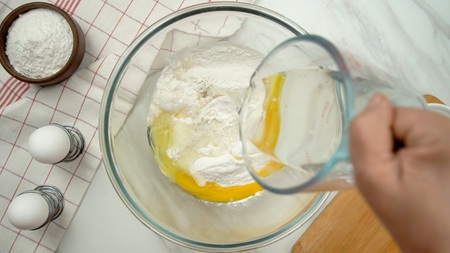
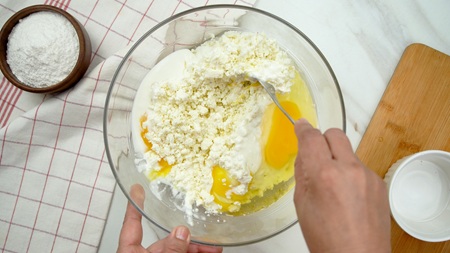
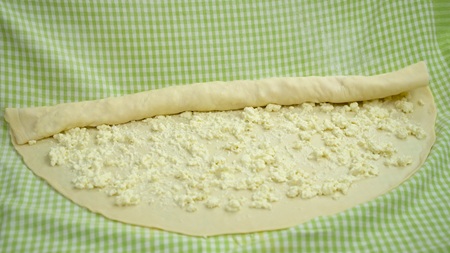
These are soft dough rolls filled with a mixture of fresh cottage cheese, eggs, sour cream, and a touch of salt. The dough is kneaded until smooth, then allowed to rest before being stretched by hand until almost transparent. The cheese filling is spread across the dough, which is then rolled up and cut into pieces using the dull edge of a plate — a traditional method that seals each portion gently without tearing the dough.
Štrukli can be prepared in two classic ways:
- Boiled štrukli – gently cooked in salted water or broth, resulting in tender, dumpling-like pieces often finished with melted butter or toasted breadcrumbs.
- Baked štrukli – arranged in a baking dish, generously topped with sour cream (or a cream mixture), and baked until puffed and golden with a lightly caramelized surface.
Both styles share a creamy filling and delicate dough, but each offers a slightly different texture and eating experience.
The Cultural Significance of Štrukli
In Hrvatsko Zagorje, štrukli is embedded in local life. It appears at weddings, church holidays, family celebrations, and relaxed Sunday lunches. For many families, no special occasion feels complete without at least one tray of štrukli on the table.
The skills behind the dish have traditionally been passed down through observation and practice: children watched their mothers and grandmothers knead, stretch, spread, and roll, and then learned to do the same. Exact measurements mattered less than knowing how the dough should feel and how thin it should be stretched.
In 2007, Zagorski štrukli was officially registered as part of Croatia’s intangible cultural heritage, recognizing not only the dish but also the traditional knowledge and craftsmanship that surround it. Today, štrukli is proudly served in local restaurants, rural households, and at food festivals, where it represents the heart of the Zagorje region.
Traditional Ingredients That Make Štrukli Special
Though the ingredients are simple, their quality and balance shape the character of the dish:
- Flour – creates a dough that can be stretched very thin without tearing.
- Eggs – enrich the dough and help bind the filling, giving it a silky structure.
- Fresh cottage cheese (svježi sir) – the star of the recipe: mild, creamy, and slightly tangy, perfect for fillings.
- Sour cream – adds moisture, flavor, and in baked štrukli, forms a golden, velvety crust.
- Butter or oil – used in the dough and on top of boiled štrukli to add richness and keep them soft.
- Salt – small but essential, balancing the flavors of dough and cheese.
Many households add their own subtle twists: a spoon of cream in the filling, a sprinkle of herbs, breadcrumbs on boiled pieces, or a little sugar and vanilla for dessert versions.
Serving Suggestions: Enjoying Štrukli at Their Best
One of the reasons štrukli has remained so popular is its versatility. With small adjustments in portion size and preparation, the same dish can be served as a snack, appetizer, main course, or even dessert.
- As a Snack – a single piece of boiled štrukli, topped with melted butter or toasted breadcrumbs, makes a perfect warm snack. It’s light enough not to feel heavy, yet satisfying and comforting — ideal for mid-morning, afternoon, or whenever a homemade bite is needed.
- As an Appetizer – served in smaller portions, baked štrukli can be an elegant starter. A single golden, creamy piece on a warm plate looks inviting and sets the tone for a traditional Croatian meal. Its mild flavor appeals to many palates, making it a good choice when serving guests.
- As a Main Dish – for a main course, two to four pieces of štrukli are often enough, especially baked versions with a rich cream topping. They pair wonderfully with a crisp green salad, pickled vegetables, or a simple clear soup. In many Zagorje homes, this combination is a classic Sunday lunch.
- As a Dessert – with a lightly sweetened cheese filling, a little vanilla, or a handful of raisins, štrukli becomes a rustic dessert. Baked sweet štrukli are especially charming when dusted with powdered sugar and served warm.
Drink Pairings
Herbal teas such as mint, chamomile, or linden complement the dish’s richness without overpowering it. For wine pairings, local Croatian white wines like Graševina, Kraljevina, or Pušipel add freshness and acidity, balancing the creamy cheese filling. A light sparkling wine can make baked štrukli feel more festive.
Serve Fresh and Warm
Štrukli is at its best when served warm, straight from the pot or oven, when the dough is tender and the filling soft and aromatic. Leftovers can be reheated, but the texture and aroma are always at their peak when freshly prepared.
Štrukli Around the World: Similar Dishes, Unique Identity
Štrukli is part of a broader family of European dough-and-cheese dishes, but it still retains a personality of its own.
- Austrian Topfenstrudel – also uses stretched dough and cheese, but it is always baked as a strudel and sliced. The emphasis is on crisp, flaky layers, whereas štrukli remains soft and creamy from top to bottom.
- Hungarian Rétes – shares the dough-stretching technique but has a broader range of fillings, often fruit or poppy seeds. Even with cheese, rétes tends to be firmer and more pastry-like, while štrukli is softer, especially in the boiled version.
- Slovenian Štruklji – is probably the closest relative. These rolls can be boiled or baked and come with many fillings — from walnuts and tarragon to apples and buckwheat. Croatian štrukli, in contrast, focuses more narrowly on the cream-and-cheese filling that defines its character, giving it a very specific identity.
- Polish Pierogi – can include cheese fillings, but they are small, individually shaped dumplings, usually boiled or pan-fried. Their dough is firmer, and they lack the layered, rolled structure and baked cream topping found in štrukli.
- Greek Bougatsa – uses phyllo dough and can be filled with semolina custard or cheese. It is baked until crisp and often served sweet. Here, the layered crunch is the star, while štrukli emphasizes softness and a custardy interior.
What Are the Health Benefits of Štrukli?
Štrukli is definitely comfort food, but it also offers some nutritional benefits when enjoyed in reasonable portions and made with good ingredients.
- High-Quality Protein – cottage cheese and eggs are both excellent sources of protein. Protein is essential for muscle repair, hormone production, and overall body function, making štrukli more than just an empty indulgence.
- Calcium and Key Vitamins – dairy-based ingredients provide calcium, which is vital for strong bones and teeth, as well as vitamins like B12 (important for the nervous system) and vitamin A (supporting vision and skin health).
- Steady Energy – carbohydrates from the dough and natural fats from cheese and cream offer sustained energy, which historically made this dish very suitable for people with physically demanding work in rural areas.
- Comfort and Emotional Well-Being –traditional dishes like štrukli have emotional value that goes beyond nutrition. They connect people to family, place, and childhood memories, providing a sense of comfort and belonging — an important aspect of overall well-being.
- Adaptable to Different Diets – Štrukli can be adjusted to be lighter or more suitable for certain diets:
- Use low-fat cottage cheese or fewer eggs.
- Replace part of the sour cream with yogurt or cooking cream with less fat.
- Include some whole-wheat flour in the dough for extra fiber.
These changes don’t completely alter the character of the dish but make it easier to include in modern, health-conscious meal plans.
Common Mistakes to Avoid When Making Štrukli
The ingredients may be simple, but certain mistakes can easily spoil the texture or structure of štrukli. Avoiding them makes all the difference.
- Skipping the Resting Time for Dough – if the dough doesn’t rest, it will be tight and prone to tearing during stretching. Resting allows the gluten to relax, making the dough supple and easier to work with.
- Stretching the Dough Too Fast or Too Roughly – good stretching is slow and gentle. Pulling too hard in one spot creates holes and uneven thickness. Taking time here ensures a smooth, thin sheet that rolls beautifully.
- Uneven or Excessive Filling -if one part of the dough has much more filling than another, the roll may tear or cook unevenly. Overfilling can cause pieces to burst during boiling or baking. Aim for a consistent, moderate layer across the entire surface.
- Cutting with a Knife Instead of a Plate – a sharp knife can compress or tear the roll, while the dull edge of a plate presses down to create a clean cut and helps seal each piece. This small trick is part of a traditional technique for a reason.
- Using Watery Cottage Cheese – too wet cheese will make the filling runny and the dough soggy. If your cheese has excess liquid, lightly drain it before mixing the filling.
- Not Enough Cream on Baked Štrukli – in the baked version, cream on top is not optional. It keeps the pieces moist during baking and creates the famous golden crust. Without enough cream, the surface can dry out and become tough.
- Overcooking or Undercooking Boiled Štrukli – boiled štrukli should be soft but still intact. Too long in the water and they may break apart; too short and the dough will taste slightly raw. Watch them carefully and test one to check doneness.
- Serving Them Cold – cold štrukli lose much of the charm that comes from their soft texture and warm aroma. If you have leftovers, reheat gently in the oven (for baked) or briefly in hot water or steam (for boiled) to bring them back to life.
What Is the History and Origin of Štrukli
Štrukli was born in the rural kitchens of Zagorje, where families relied on what they produced themselves — flour, eggs, milk, and cheese. It began as a simple, nourishing dish that used basic ingredients in a clever way, turning them into something both filling and special.
For a long time, štrukli was closely associated with major events: baptisms, weddings, feast days, and harvest celebrations. Over time, as ingredients became more accessible, it also found its place in everyday life — particularly at Sunday lunches, when families would gather around the table.
Traditionally, recipes were rarely written down. Instead, techniques were passed from one generation to the next: how the dough should feel under the hands, how thin it should be stretched, how to roll without tearing, and how much filling to use. Instructions like “stretch until you can see the table through the dough” or “add cheese until the mixture looks right” were common.
Today, štrukli remains a proud symbol of Hrvatsko Zagorje and of Croatian cuisine in general. It appears in home kitchens, restaurants, rural tourism estates, and on tasting menus aimed at visitors who want to discover authentic local flavors. Despite changing times, this dish continues to connect people to their roots — one warm, creamy slice at a time.