What Are Serbian Ustipci?
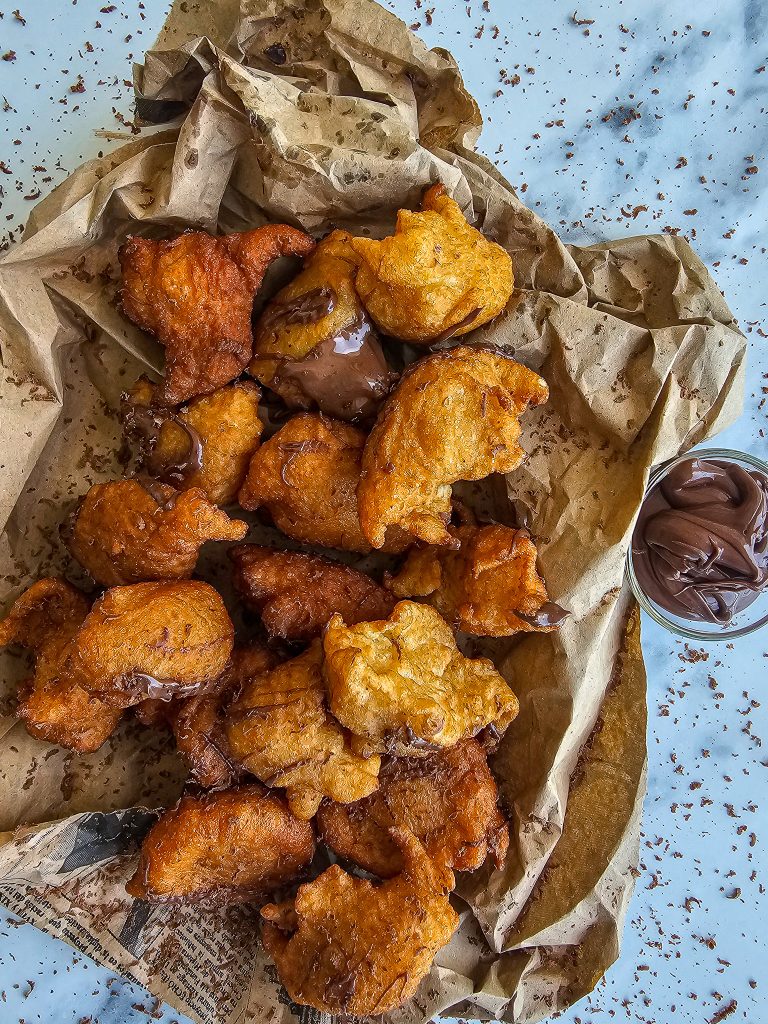
Serbian Ustipci are fluffy fried dough balls that people love for their savory and slightly sweet taste. They’re a favorite comfort food in Serbia, known for golden-brown exteriors and soft centers. You can enjoy them alone or with various sides.
The name “Ustipci” makes many think of family gatherings, festive events, and cozy mornings. People typically enjoy them warm for breakfast or as a snack anytime.
To make them just combine simple ingredients like flour, milk, yeast, and eggs to create a lush dough. Let it ferment for that airy texture. After frying, you can dust them with confectioners’ sugar or pair them with side sauces for different flavors.
Understanding the Cultural Significance of Ustipci
Ustipci are more than just a delicious treat; they showcase the warmth of Serbian hospitality. Sharing these fried delights is a way to show friendship and goodwill. During family gatherings, ustipci often sit in the middle of the table. They bring people together and create a sense of comfort.
Outside of family, these fritter shine in celebrations and religious festivals. Whether it’s a wedding, Slava (a Serbian Orthodox tradition), or a Sunday breakfast, these golden bites play a key role in Serbian life.
Also, Serbian food festivals with traditional dishes like Ustipci attract over 100,000 visitors each year.
Serving Serbian Ustipci: Tips and Trick
When serving Serbian Ustipci, highlight their crispy outside and soft inside. Enjoy them as an appetizer, snack, or even breakfast.
Enhance their flavor with some tasty accompaniments.
- Focus on Presentation: Place them on a large, rustic platter to showcase the varying textures. Let their warm, inviting aroma attract guests.
- Add Dips and Toppings: They taste amazing with different dips and toppings. Try creamy kajmak or a side of ajvar for a sweet, spicy touch. As kajmak melts over the warm dough, it complements their flavors beautifully.
- Choose the Right Beverage: Traditionally, enjoy them with rakija, a strong fruit brandy, during celebrations. For a non-alcoholic option, serve a refreshing Serbian salad or a yogurt-based drink to balance the dish’s richness.
- Serve Fresh: Enjoy them when they’re fresh and hot from the pan. Their texture is best right after frying. If you prepare them in advance, keep them warm in the oven at a low temperature.
Serbian Ustipci vs. Other Fried Delights
What makes Serbian fritters different from similar treats, like Italian zeppole or American donut holes?
- The Dough Difference: Unlike zeppole, which often feels denser because of its yeast-based batter, Serbian version stand out with their fluffy lightness. This comes from a unique batter consistency and using baking powder, which gives them their special lift.
- Culinary Versatility: Ustipci offer delightful versatility. Donuts often serve as sweet treats, and zeppole usually feature sugar on top, but Serbian version balance sweet and savory perfectly. Enjoy them plain for breakfast, as a side dish, or turn them into a sweet dessert with powdered sugar or spreads like Eurocrem or marmalade.
- Regional Twists: Regional variations in the Balkans add exciting twists. Macedonian and Bosnian interpretations include different ingredients or serving methods, but they core remains uniquely Serbian. They are rooted in tradition while adapting to various tastes.
Ustipci Across Borders: Similarities in Global Cuisines
Serbian fritters have a lot in common with fried treats from around the world. The widely known treats include Italian Zeppole, American doughnuts, and Dutch oliebollen.
Here’s a comparison of Ustipci with similar dishes:
- Churros (Spain): Long, ridged sticks of fried dough, often dipped in chocolate or dusted with cinnamon sugar. Crispy outside and tender inside, resembling fritule.
- Beignets (France): Square-shaped, deep-fried pastries dusted with powdered sugar, sharing the light, airy texture of fritule.
- Loukoumades (Greece): Small, round pastries soaked in honey and sprinkled with cinnamon, offering extra sweetness compared to Croatian fritule.
- Jalebi (India): Coiled, bright orange desserts soaked in syrup, differing in shape and vibrant presentation, but both are crispy.
- Fritule (Croatia): Sweet dough balls enjoyed in Croatia, often with raisins and lemon or orange zest, with similarities to the Serbian version.
- Peksimeti and Locum (Bosnia and Herzegovina): Fried dough variations sometimes with fillings, often served as breakfast.
- Priganice (Montenegro): Fried dough balls containing yeast, resulting in a different texture and flavor compared to the Serbian version.
Each culture, while infusing its distinct flavors, honors the universal joy of fried dough delights.
Perfect Pairings: What Goes Best with Ustipci
Whether you’re in the mood for savory or sweet, Ustipci can enhance both flavors beautifully.
Savory Pairings
- Ajvar: This roasted red pepper and eggplant relish adds a smoky taste that contrasts nicely with the crispy fritters
- Kajmak: Enjoy a rich and buttery experience with this creamy dairy spread that pairs well with Ustipci.
- Sour Cream or Tzatziki: Add a refreshing tang and creamy texture to your fritters for an elevated taste.
Sweet Pairings
- Honey: Drizzle honey on them for a natural sweetness that enhances their texture.
- Nutella: Treat yourself with rich chocolate spread over freshly made fritters for a delightful combination.
- Powdered Sugar or Jam: Dust with powdered sugar or add your favorite jam for a traditional sweet touch.
Remember, whether you go for sweet or savory, they taste best when served warm and fresh. Try different pairings to find the flavors you love most.
What ingredients are typically used in authentic Serbian Ustipci?
When it comes to crafting the authentic flavors the ingredients play a pivotal role in ensuring the dish’s traditional essence.
- Flour – Serves as the base and building block of the batter
- Eggs – Contribute to richness and texture
- Milk – Adds to the batter’s richness and lightness
- Yoghurt –
- Baking Powder – Gives them its airy and fluffy texture
- Salt – Balances the flavors and enhances the taste profile
- Sugar (optional) – For a hint of sweetness, especially in sweet versions
- Oil – Used for frying, with a portion sometimes added to the batter for consistency
- Citrus Zest (optional) – Such as lemon or orange, for a fresh, aromatic touch
What are some popular variations of Serbian Ustipci?
Serbian Ustipci open the way for creativity, resulting in different tasty versions to fit any craving. Let’s explore some favorite variations you might find:
- Cheese Ustipci: A crowd favorite, this common mix tangy feta or creamy kajmak into the dough or fill the center. This savory twist is simply irresistible.
- Meaty Delight: For a hearty treat, add minced meat. Season ground beef or pork with garlic and spices, and stuff it into the dough for a satisfying bite.
- Sweet Ustipci: Dessert enthusiasts will love these! Dust them with powdered sugar or drizzle with honey. A hint of vanilla or citrus zest makes them perfect for anyone with a sweet tooth.
- Herb and Spice: Fresh herbs like parsley or dill bring aromatic excitement. Fold them into the batter for a refreshing complement to the richness of fried dough.
- Seasonal Vegetables: Embrace the season’s bounty with grated zucchini or bell peppers mixed in.
This versatility has cemented their status as a culinary treasure in Serbian homes.
Are there any regional differences in how Ustipci are made in Serbia?
Yes, different regions in Serbia put their own special twist on making Ustipci. While the basic recipe stays the same, these variations let you enjoy local flavors and traditions.
In the northern area of Vojvodina, yogurt is often added to the Ustipci batter. This makes them softer and more delicate. The rich agricultural diversity here provides a variety of fresh, homegrown ingredients that enhance the dish.
In southern Serbia, especially in areas with vineyards, locals might add a touch of or serve them with fruit preserves. These additions create a delightful sweetness and depth of flavor that showcase the region’s agricultural heritage.
The toppings or accompaniments can vary a lot, too. Some regions prefer plain version or with a sprinkle of powdered sugar, while others serve them with cheese spreads or local jams. Trying out these regional variations at home lets you explore Serbia’s diverse culinary culture.
What are some tips for making the perfect Ustipci at home?
Embarking on the quest to create perfect Ustipci at home can be as joyful as relishing the dish itself. Here are some delightful tips to elevate your Ustipci experience:
- Use Fresh Yeast: Opt for fresh yeast over dry yeast to give the dough an airy lightness. This choice significantly improves the fluffiness of the dish.
- Incorporate Yogurt: For an extra fluffy result, add yogurt into the mix. Its acidity helps the dough rise beautifully while adding a subtle tang to the taste.
- Achieve the Right Consistency: Aim for a sticky and slightly runny batter. The balance of flour and liquid is key to a fluffy outcome.
- Rest the Batter: Allowing the batter to rest for at least 15-20 minutes can enhance its fluffy texture, giving the yeast or baking powder time to work its magic.
- Maintain Oil Temperature: Heat oil to a consistent medium-high. This ensures that they are evenly golden on the outside while cooked through on the inside.
- Batch Cooking: Avoid overcrowding the pan. Cook in small batches to maintain the oil temperature, ensuring each Ustipci has enough space to expand and cook uniformly.
- Experiment with Flavors: Feel free to add additional ingredients such as cheese, herbs, or spices to the batter for a personalized twist on the traditional recipe.
Remember, practice makes perfect! Enjoy experimenting and savor every delicious bite of your homemade Ustipci.
What are the nutritional aspects of Serbian Ustipci?
Serbian Ustipci offer indulgence more than they offer a low-calorie option. Made from simple ingredients like flour, eggs, milk, and sometimes yeast, they are rich in carbohydrates and fats, providing quick energy. Frying in oil adds more calories and fats, so be mindful if you’re watching your intake.
Though not a health food, they are a delightful part of cultural and social traditions. To include them in a balanced diet, try pairing them with healthier options. Serve them with fresh vegetables or a light salad for a filling and somewhat balanced meal.
You can also make Ustipci more nutritious with some tweaks. Use whole grain flour to boost fiber, fry with healthier oils like olive oil, or bake instead of frying to cut down on fat. Enjoy this cultural treat in moderation and explore ways to fit them into a healthy lifestyle.
What is the historical origin of Serbian Ustipci?
No one knows the exact origin of Ustipci. Some theories suggest they started as a simple peasant dish. People made them with easy-to-find ingredients like flour, eggs, and milk. They were cheap and tasty, which made them popular with the working class.
The name ‘Ustipci’ comes from the Serbian word ‘ustipak,’ meaning ‘to pinch.’ This reflects how people shape the dough before frying it.
Some people think Ustipci have been around since Roman times, while others believe they were inspired by similar fried treats from the Ottomans. The Ottoman period brought a lot of mixing in cooking styles and ingredients, leading to many dishes that are now seen as traditional in the area.
Like many traditional foods, it’s hard to pinpoint Ustipci’s exact origin since recipes and methods were shared orally through generations. Over time, they changed from a basic food for sustenance to a favorite treat enjoyed during special occasions and family gatherings.