What Is Hortobágyi Palacsinta?
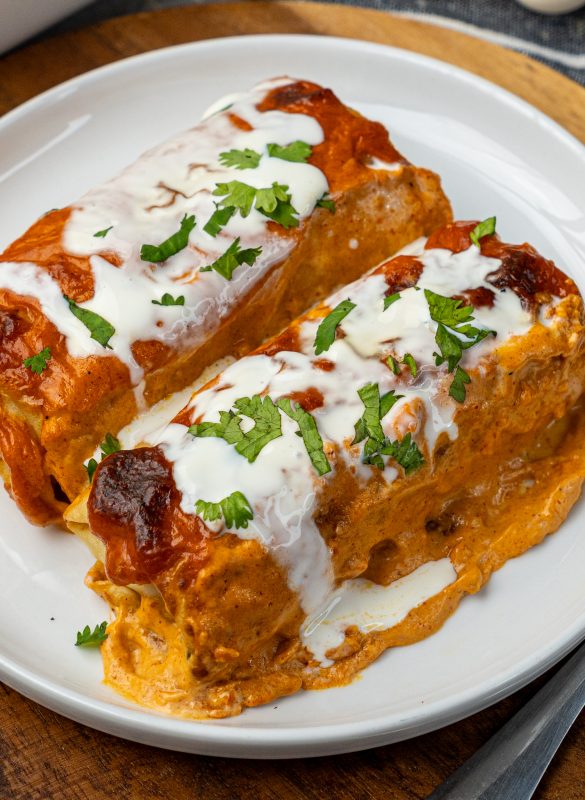
Hortobágyi Palacsinta is a cherished Hungarian dish made of tender crêpes filled with savory, paprika-seasoned meat. These rolled pancakes are baked in a velvety sauce, giving them a soft, flavorful texture that feels both rustic and comforting. They’re a staple in Hungarian cuisine, known for their creamy richness and satisfying depth.
The name “Hortobágyi” evokes the vast plains and pastoral traditions of Hungary. While the dish itself is relatively modern, it quickly became a symbol of Hungarian hospitality. People enjoy it at family gatherings, festive occasions, and traditional restaurants throughout the country.
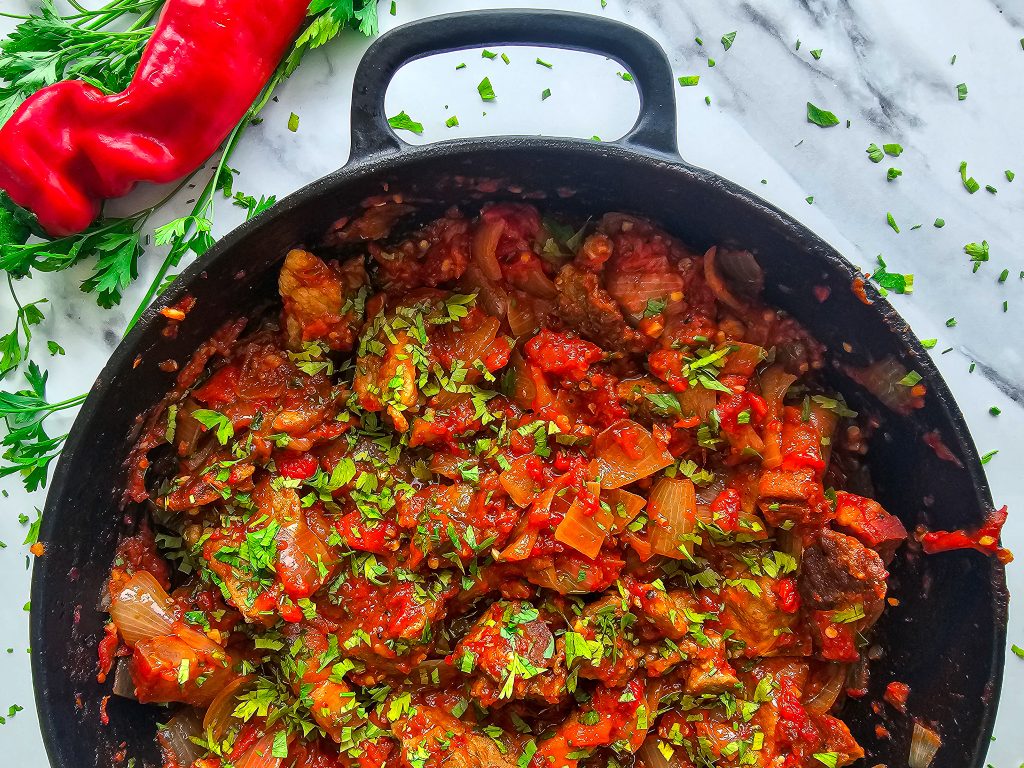
To make Hortobágyi, meat is first stewed with onions, paprika, and broth until wonderfully tender. After shredding, it’s wrapped in delicate palacsinta (Hungarian crêpes) and baked with a rich sauce made from the stew’s juices and sour cream. The result is a comforting dish that highlights Hungary’s love of paprika and slow-cooked flavors.
Understanding the Cultural Significance of Hortobágyi Palacsinta
Hortobágyi Palacsinta is more than a savory crêpe; it showcases the essence of Hungarian cuisine. The warmth, richness, and generosity of flavor reflect the country’s long-standing culinary traditions. It embodies the spirit of communal eating — a dish that brings people together and feels celebratory by nature.
Although invented in the mid-20th century, this dish quickly became part of Hungary’s cultural identity. Today, you’ll find it at traditional csárdas (inns), holiday meals, and special gatherings. It blends modern innovation with timeless Hungarian flavors, making it a favorite among locals and visitors alike.
The dish also highlights Hungary’s national ingredient: paprika. Its deep red color and aromatic taste are unmistakable, turning a simple crêpe into a flavorful, comforting meal rooted in regional pride.
Serving Hortobágyi Palacsinta: Tips and Tricks
When serving Hortobágyi Palacsinta, aim to highlight its soft texture and rich, creamy sauce. It’s often enjoyed as a starter, though it can easily serve as a filling main dish.
Enhance its presentation and flavors with thoughtful accompaniments.
- Focus on Presentation: Arrange the rolled crêpes in a warm dish and pour the paprika sauce generously over the top. A spoonful of sour cream and a sprinkle of parsley give it an inviting look.
- Balance with Fresh Sides: Pair it with a crisp cucumber salad or lightly pickled vegetables to cut through the richness.
- Choose the Right Beverage: Hungarian white wines like Tokaji Furmint or Olaszrizling complement the creamy sauce. Non-alcoholic options such as mint tea or sparkling water with lemon work well too.
- Serve Warm: The dish is best enjoyed fresh from the oven, when the texture is soft and the sauce is silky. If reheating, warm it gently to preserve its creaminess.
Hortobágyi Across Borders: Similarities in Global Cuisines
Hortobágyi Palacsinta has counterparts around the world that share its comforting, rolled structure. These dishes demonstrate how many cultures celebrate the joy of wrapping flavorful fillings inside soft dough or pancakes.
Here’s a comparison of Hortobágyi with similar global dishes:
- Crespelle (Italy): Baked crêpes often filled with ricotta or spinach, similar in structure but milder in flavor.
- Blinchiki (Russia): Rolled with meat and lightly fried, offering a firmer texture than the soft Hungarian version.
- Enchiladas (Mexico): Rolled tortillas baked in sauce, showcasing a similar serving method but completely different seasonings.
- Cannelloni (Italy): Stuffed pasta tubes baked in sauce, sharing Hortobágyi’s comforting baked quality.
- Greek meat crêpes: Sometimes served with béchamel, resulting in a richer, Mediterranean flavor.
- Austrian or German filled pancakes: Often less saucy and sometimes sweetened, but sharing the idea of rolled, pan-cooked dough.
- French gratin crêpes: Baked with creamy sauces, demonstrating another European take on stuffed and sauced pancakes.
Each culture brings its own flair, but Hortobágyi remains distinct because of its paprika-forward sauce and creamy finish.
Perfect Pairings: What Goes Best with Hortobágyi Palacsinta
Whether you prefer refreshing sides or hearty accompaniments, Hortobágyi Palacsinta pairs beautifully with a variety of flavors.
Savory Pairings
- Cucumber Salad: A light, tangy side that balances the dish’s richness.
- Pickled Vegetables: Add acidity to contrast the creamy sauce.
- Fresh Bread: Perfect for soaking up the paprika-infused gravy.
Lighter Options
- Tomato and Onion Salad: Simple, fresh, and complementary.
- Steamed Vegetables: Provide contrast without overwhelming the flavors.
- Herbed Yogurt Sauce: Offers a cool, subtle tang.
Served as a Main Course
- Nokedli (Hungarian Dumplings): Ideal for a more filling meal and excellent for absorbing sauce.
- Mashed Potatoes: Mild and comforting, pairing naturally with the creamy flavors.
Remember, whether enjoyed as an appetizer or main dish, Hortobágyi tastes best when served warm, allowing the sauce to remain silky and aromatic.
What Ingredients Are Typically Used in Authentic Hortobágyi Palacsinta?
Crafting authentic Hortobágyi relies on simple, traditional ingredients that build deep flavor through slow cooking.
- Palacsinta Batter – Flour, eggs, milk, water, and a bit of salt form the base of these thin Hungarian crêpes.
- Meat – Veal is traditional, though chicken or pork are popular modern alternatives.
- Onions – A cornerstone of Hungarian cooking, providing sweetness and depth.
- Paprika – The defining spice that gives the dish its color and warm flavor.
- Broth – Adds moisture and richness during the stewing process.
- Sour Cream – Creates the creamy sauce that coats the crêpes.
- Oil or Lard – Used for sautéing the onions and meat.
What Are Some Popular Variations of Hortobágyi Palacsinta?
Hortobágyi Palacsinta inspires creativity, leading to delicious variations that cater to different tastes. Here are some favorites you may encounter:
- Chicken Hortobágyi: A lighter, more modern version that remains rich in flavor.
- Pork Hortobágyi: Heartier and more rustic, often served in countryside restaurants.
- Mushroom Hortobágyi: A vegetarian twist that still captures the dish’s comforting depth.
- Game Meat Version: Using venison or boar for stronger, earthier flavors.
- Smoky Paprika Variation: Incorporates smoked paprika for a deeper, aromatic profile.
These variations maintain the dish’s essence while offering unique interpretations that highlight Hungary’s regional diversity.
Are There Any Regional Differences in How Hortobágyi Is Made in Hungary?
Yes, different parts of Hungary add subtle twists to Hortobágyi Palacsinta while preserving its core identity.
- In the Hortobágy region, the dish tends to be heartier and more traditional, featuring veal and thicker sauces. The agricultural richness of the area influences the ingredients and flavor profile.
- In northern Hungary, mushrooms may be added, creating an earthier filling. This reflects the region’s forests and local produce.
- Southern Hungary, known for spicier paprika, may offer a slightly hotter version. These regions often experiment with bolder seasonings that add warmth.
- Meanwhile, Budapest restaurants typically present a refined, smoother version with a more delicate sauce. Urban kitchens emphasize elegance while keeping the flavors authentic.
Trying these regional interpretations offers a glimpse into Hungary’s diverse culinary landscape.
What Are Some Tips for Making the Perfect Hortobágyi Palacsinta at Home?
Bringing this classic Hungarian dish to life at home can be as enjoyable as savoring the results. Here are some useful tips to enhance your Hortobágyi experience:
- Use High-Quality Paprika: Fresh, sweet Hungarian paprika is essential for authentic flavor.
- Create Tender Meat: Stew the meat slowly until it shreds easily.
- Achieve the Right Sauce Consistency: Blend or strain the sauce to keep it smooth and creamy.
- Don’t Overfill the Crêpes: Spread the filling evenly to prevent tearing.
- Bake Gently: Warm the crêpes in the oven just long enough for the flavors to blend.
- Experiment with Add-Ins: Try mushrooms, herbs, or roasted peppers for personalized variations.
Practice helps perfect the technique — and the delicious outcome makes it worth every try.
What Are the Nutritional Aspects of Hortobágyi Palacsinta?
Hortobágyi Palacsinta is rich and satisfying, offering more indulgence than light fare. Because the dish includes crêpes, stewed meat, and a creamy sauce, it is naturally high in fats and carbohydrates, providing comforting warmth and energy.
Although not a low-calorie meal, it plays an important role in Hungarian culinary culture. To enjoy it as part of a balanced diet, pair it with fresh salads or pickled vegetables to lighten the meal.
Healthier variations can improve nutritional value. Using lean meats, adding vegetables to the filling, or substituting lighter dairy options can reduce richness without sacrificing flavor. Enjoying the dish in moderation ensures you can savor its traditional comfort while maintaining balance.
What Is the Historical Origin of Hortobágyi Palacsinta?
Hortobágyi Palacsinta has a surprisingly modern history compared to many traditional Hungarian dishes. It was introduced at the 1958 Brussels World Expo as a way to showcase the nation’s culinary strengths — paprika, sour cream, and slow-cooked meats — in a visually appealing dish.
The name “Hortobágyi” was chosen to evoke the iconic Hungarian plains, known for their folklore, herding traditions, and rustic cooking. Although the dish does not originate from the region itself, the name helped give it an air of heritage and tradition.
Over time, the recipe spread throughout Hungary, becoming a beloved classic. Today, it stands as an example of how a contemporary creation can embed itself deeply in a country’s