What is Croatian Fritule?
Fritule are small, round, deep-fried pastries traditionally enjoyed during festive seasons, particularly Christmas and Easter. Think of them as tiny doughnuts with a big taste of Croatian culture. They have a crispy outside and a soft, fluffy inside. They often get a sprinkle of powdered sugar to make them sweeter.
Their charm comes from simple ingredients: flour, eggs, and either full-fat yogurt or sour cream. Add a zest of orange or lemon for freshness, and a splash of rum, rakija, or Maraschino for an extra kick. The warm vanilla notes blend everything perfectly.
The Cultural Significance of Fritule in Croatia
Fritule are an important part of Croatian culture. They are tasty treats that connect generations. The smell of these homemade sweets brings back memories and a feeling of home for many Croatians. These sweets are not just desserts; families especially enjoy them during Christmas and carnivals. They come together to make them using recipes passed down through time.
Making Fritule is often a group activity that helps bring families and friends closer. This reflects the strong community spirit in Croatia. They also show the warmth of Croatian hospitality, as people share them with guests or enjoy them casually. They capture the true spirit of Croatian celebrations.
Making and sharing them during special occasions highlights the importance of food in Croatian life. Therefore, people often enjoy these treats with mulled wine or coffee, helping to create special moments.
Serving Suggestions: Elevate Your Fritule Experience
Savoring Croatian fritule is a joy, and you can make them even better with a few tips.
- Firstly, enjoy them warm, right after frying. The crispy outside and soft inside create a delicious contrast.
- Sprinkle them with powdered sugar for a sweet finish that matches their tangy taste
- Try rolling fritule in cinnamon or vanilla sugar for extra flavor and aroma
- Pair them with hot drinks like coffee, tea, or hot chocolate to contrast their sweetness
- For a festive touch, serve them with red mulled wine. The spices and warmth of the wine harmonize with the sweet fritule
- Finnaly, offer dipping sauces like chocolate or fruit jam.
In oredr to keep fritile fresh, store them in an airtight container at room temperature. When you wish to enjoy them again, a quick reheat in the oven or microwave will make them crispy and delicious. Remember, serving them warm is key to savoring their best taste!
Fritule Around the World: How It Compares to Other Treats
Fritule is a popular fried dough treat in Croatia, but its appeal goes beyond the country. Different cultures have their own ways of making fried dough, each style showcasing local tastes and traditional methods
The widely known treats include Italian Zeppole, American doughnuts, and Dutch oliebollen. The following chapters will describe their similarities and differences.
Here’s how fritule compares to some other similar dishes:
- Churros (Spain): Originating from Spain, churros are long, ridged sticks of fried dough, typically dipped in chocolate or dusted with cinnamon sugar. Unlike Croatian pastries, which are small and round, churros boast a unique crispiness on the outside while staying tender inside, much like fritule
- Beignets (France): These French delicacies are square-shaped deep-fried pastries dusted with powdered sugar. Beignets share the light and airy texture that fritule are known for, making them a delightful treat any time of the day
- Loukoumades (Greece): Similar to fritule, loukoumades are small, round Greek pastries, traditionally soaked in honey and sprinkled with cinnamon. Contrasting with the sugary simplicity of Croatian versio, their honey-soaked exterior gives them an extra sweetness
- Jalebi (India): These bright orange, coiled fried desserts are soaked in syrup, lending a distinctly sweet and tangy flavor profile. Jalebi differs from fritule in its intricately twisted shape and vibrant presentation, yet both offer a satisfyingly crispy bite
Croatian Fritule vs. Italian Zeppole: A Sweet Comparison
Croatian fritule and Italian zeppole delight with their flavors and textures, yet each has unique traits. Fritule comes from Croatia’s coastal regions like Dalmatia, while zeppole originates from Italy’s Campania region. Both are linked to festive holidays, offering sweet treats.
Croatian version features citrus zest and spirits like rum or brandy, giving them a distinct aroma. On the other side, Italian Zeppole usually includes ricotta and flavors like vanilla or anise. While, you can dust either with powdered sugar, zeppole often has custard filling or amarena cherries for a creamy twist.
Both cooking processes differ slightly. While fritule are fried as small, round bites, zeppole can be fried or baked, appearing larger or as rings. This gives the Italian version a varied texture with rich flavors.
While they are different, each reflects its own culinary tradition and brings joy to those who indulge in them.
Fritule vs. American Donuts: What Sets Them Apart?
Both fritule and American donuts are popular fried dough treats, yet they have their own unique traits. Croatian dish charm with their small, rustic, round shapes and airy texture. This comes from their yeast-based dough, often with a hint of citrus zest. Some versions include raisins or maraschino for flavor. Rum or brandy adds a special taste and helps create a crispy outside.
American donuts come in many styles, from classic rings to filled versions. They offer a denser bite compared to fritule. Yeast-raised donuts can be soft like fritule but lack the citrus flavor and alcohol notes that Croatian fritters have. Donuts have many toppings—glazed, frosted, sprinkled, or filled with custard or jelly. Fritule sticks to a simple dusting of powdered sugar.
The role of each treat in culture differs too. Fritule hold a special place in holiday traditions in Croatia, especially during festive seasons. Donuts are common in America, enjoyed year-round, often for breakfast or as a snack. While both involve frying dough to perfection, both of them offer different experiences, reflecting the flavors of their cultures.
How do Croatian fritule compare to Dutch oliebollen?
The tasty debate between Croatian fritule and Dutch oliebollen highlights two popular holiday treats. Each treat features fried dough but varies in cultural nuances, ingredients, and traditions.
Texture and Ingredients: Both fritule and oliebollen delight with a crispy exterior. While Croatian dish feels lighter because they use a yogurt-based dough, oliebollen rely on a heavier yeast dough that results in a denser texture. Each includes raisins for sweet, chewy contrast, while oliebollen often incorporate apples or other dried fruits.
Seasonal Specialty: In Croatia, people consider fritule a holiday must-have, particularly at Christmas, honoring their coastal roots. In the Netherlands, New Year’s Eve celebrations include oliebollen, symbolizing celebration and good luck for the upcoming year.
Preparation and Presentation: When you prepare fritule, adding brandy or rum introduces cozy warmth that complements lemon zest. After frying, you dust them with powdered sugar. Similarly, oliebollen receive a coating of powdered sugar, creating a delightful contrast with the tangy bite from apples.
Both treats evoke nostalgia and are deeply ingrained in the festive traditions of their cultures. While both offer fried delight, their distinct textures and flavors narrate unique stories of Croatia and the Netherlands. At the same time they provide a taste of each country’s holiday joy.
Traditional Ingredients That Make Fritule Special
Fritule owes its unique taste and texture to a carefully selected blend of ingredients that offer both traditional flavors and cultural authenticity. Here’s what you need to make this delicious treat:
- All-purpose flour: Provides the foundational structure.
- Baking powder: Used for the perfect rise, though some variations use yeast.
- Full-fat Greek yogurt or sour cream: Offers a tangy flavor and moist interior.
- Citrus zest (orange and lemon): Infuses a burst of fresh aroma and complexity.
- Rum, rakija, or Maraschino: Adds distinctive flavors and contributes to a crispy exterior.
- Sugar: Granulated for sweetness along with bourbon vanilla for a luxurious depth.
- Raisins (optional): Adds pockets of sweetness and texture.
The thoughtful inclusion of these simple yet impactful ingredients is what truly makes them special and cherished across Croatia.
The Art of Crafting Perfectly Round Fritule
Creating perfectly round fritule blends traditional techniques with a touch of personal flair.
Start with top-quality ingredients. Fresh, all-purpose flour and the right rising agents like baking powder or yeast make the fritters fluffy and light. Adding full-fat Greek yogurt or sour cream gives a rich, tangy flavor that goes well with the sweetness.
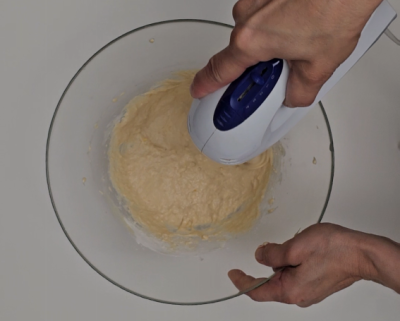
- Consistency matters: Mix the batter thoroughly until smooth, but don’t overmix it, or else it can become dense. The zest from a lemon or orange adds a fresh flavor, and a splash of rum, rakija, or Maraschino liquor brings a unique aroma
- Temperature Control: Keep the oil at 350°F (175°C) to get a uniform golden crisp. If the oil is too hot, the fritule will brown outside but stay raw inside.
- Technique Matters: For uniform size, use a small ice cream scoop or two spoons. Drop even portions of dough into the oil for consistent, round shapes.
- The Flip Technique: These fritters start spinning as they cook and float. Use a wooden spoon or spatula to gently turn them so they cook evenly and keep their round shape.
Practice makes perfect! Your first batches might not be flawless, but you’ll learn how the dough and fryer respond over time.
What is the historical origin of Fritule in Croatian cuisine?
Fritule are a popular treat in Croatian cuisine, especially along the Dalmatian coast. Their history comes from the influences of the Venetian Republic, which ruled parts of Croatia from the 13th to the 18th centuries. During this time, Italian cooking, including fried dough recipes, became common.
Fritule are considered a Croatian version of Italian fritters, like zeppole or castagnole, which people enjoyed at celebrations. Over the years, these fritters changed to include local ingredients, making them unique. Also, traditional recipes often use raisins, citrus zest, and a bit of brandy or rum, reflecting what is available in the region.