What Is Filipino Chicken Inasal?
Filipino Chicken Inasal is a vibrant, mouthwatering dish from Bacolod on Negros Island.
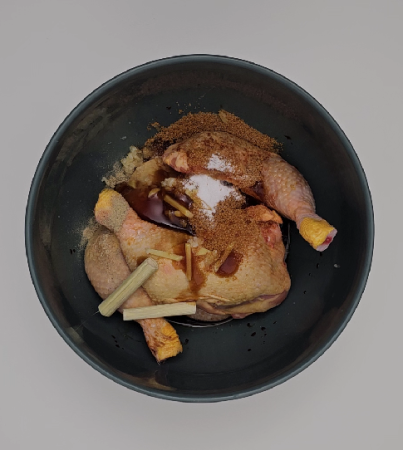
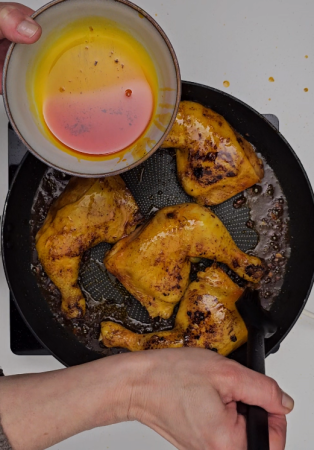
Marinated in a blend of calamansi, coconut vinegar, and annatto oil, it offers tangy, sweet, and savoury flavours. The chicken is skewered and grilled over hot coals, basted with annatto oil and margarine for its distinctive color and taste.
Often served during family gatherings, fiestas, and special occasions, it symbolizes communal dining and cultural pride.
Essential Ingredients for Authentic Chicken Inasal
- Calamansi: This small citrus fruit provides a uniquely Filipino flavour with its tartness and slight sweetness.
- Coconut Vinegar: Known for its milder taste compared to regular vinegar, coconut vinegar adds a subtle tanginess that enhances the overall flavor profile.
- Lemongrass: Often bruised to release its oils, lemongrass imparts a fresh, citrusy aroma that complements the other ingredients.
- Annatto Oil: It gives the chicken its golden-orange hue and adds a mild, earthy taste.
- Garlic and Ginger: These aromatics bring depth and warmth to the marinade without overpowering the other flavors.
- Soy Sauce: This ingredient adds a salty umami component, balancing the tanginess of the vinegar and calamansi.
- Brown Sugar or Honey: A touch of sweetness from brown sugar or honey rounds out the marinade, providing a nuanced flavor that lingers on the palate.
- Local Rum (Optional): Some modern recipes call for a splash of local rum to add complexity and a hint of caramel undertones.
The ingredients play a vital role in making this dish, ensuring flavorful, juicy, and aromatic chicken.
The Perfect Way to Serve Filipino Chicken Inasal
Here’s how to elevate this beloved delicacy:
- Serving Suggestions: serve it with a generous portion of white rice. It complements the flavors and balances the meal’s richness. Garlic fried rice can add extra depth of flavor.
- Classic Dip Options: pair with classic Filipino dipping sauces. A mix of soy sauce, calamansi (or lemon), and chili provides a zesty kick. Spiced vinegar, or “sawsawan,” adds a tangy element.
- Adding Vegetables: include sides like ensaladang talong (eggplant salad) or grilled vegetables drizzled with annatto oil. These sides offer a refreshing contrast to the smoky chicken.
- Special Touches: finish with minced garlic in annatto oil brushed over the chicken just before serving. This adds a fragrant, glossy layer.
- Beverage Pairings: pair with a cold beverage like calamansi juice or an ice-cold San Miguel beer. These enhance the meal’s flavor profile.
Enjoy your Chicken Inasal with a full heart and a happy palate!
Uncovering the Origins of Filipino Chicken Inasal
Chicken Inasal, a hallmark of Filipino culinary tradition, originated in Bacolod City, the capital of Negros Occidental. This historic city, often referred to as the “City of Smiles,” is not only famous for its MassKara Festival but also for its unique contribution to Filipino cuisine through Chicken Inasal.
The dish is so integral to Bacolod’s identity that on November 16, 2022, it was declared a locally important cultural property. You can experience the annual celebration of the renowned dish at the Bacolod Chicken Inasal Festival.
The origin of Chicken Inasal can be traced back to the homes of Bacolod’s residents. Traditionally, families prepared this dish together, especially during fiestas and special occasions. The communal preparation of the dish is more than a culinary activity; it’s a bonding ritual that reinforces family ties and local pride. In fact, it was along Bacolod’s Cuadra Street—affectionately known as ‘Chicken Alley’—that Chicken Inasal gained widespread popularity in the 1970s.
This dish showcases the ingenious use of local ingredients such as coconut vinegar, calamansi (Philippine lime), and annatto oil, creating its distinct flavor and color. The Bacolod tradition favors a slightly sour base in the marinade, achieved through the use of vinegar. Meanwhile, in neighboring Iloilo, the recipe introduces a sweeter touch, often incorporating lechon sauce. These regional variations add a delightful spectrum to the dish’s flavor profile, yet each maintains the core elements that make Chicken Inasal unmistakably Filipino.
As the dish continues to evolve, contemporary chefs add their own flair, introducing ingredients like lemongrass, honey, and even local rum. Despite these innovations, the essence of Chicken Inasal remains rooted in its Bacolod origins, celebrating the warmth and communal spirit of Filipino culture.
Regional Variations of Chicken Inasal Across the Philippines
Across the Philippines, this dish enjoys diverse interpretations, each region adding its own unique flair to this beloved dish. The most notable variations can be found in Bacolod and Iloilo, cities that pride themselves on their distinct culinary identities.
- Bacolod’s Sour Note: Often regarded as the birthplace of Chicken Inasal, Bacolod’s version is renowned for its tangy, slightly sour base. This unique flavor profile is achieved by adding coconut vinegar or native palm vinegar known as sukang tuba to the marinade. The acidity not only tenderizes the chicken but also imbues it with a subtle tartness, balanced perfectly by the smokiness from the grill.
- Iloilo’s Sweet Twist: In contrast, Iloilo’s take on Chicken Inasal leans towards a sweeter palette. This variation often incorporates a bit of sugar or honey into the marinade, sometimes supplemented with lechon sauce, which gives it a distinctive caramelized glaze. The sweetness, combined with the traditional richness of annatto oil, creates a mouthwatering, glossy finish.
- Metro Manila’s Modern Mashups: In the bustling kitchens of Metro Manila, chefs have started experimenting by integrating international flavors into traditional Chicken Inasal recipes. Ingredients like lemongrass, local rum, and even hot sauce round out the dish in unexpected, yet delightful ways.
- Visayas Family Recipes: Throughout the Visayas, local families prepare Chicken Inasal during festive occasions. These home-cooked versions may include ingredients like ginger or garlic, which aren’t always found in commercial varieties. Such additions lend a robust, homey quality to the dish that reflects the region’s gastronomic traditions.
Each regional twist offers a new dimension to this classic Filipino dish, proving that while the recipe may evolve, the heart of Chicken Inasal remains faithfully Filipino.
Health Benefits of Filipino Chicken Inasal
Here are some compelling reasons why Chicken Inasal can be a part of a healthy diet:
- High Protein Content: Chicken is a well-known source of high-quality protein, essential for muscle repair and growth. A serving of Chicken Inasal provides a sufficient amount of protein. This is crucial for maintaining muscle mass, especially for those who are physically active.
- Rich in Vitamins and Minerals: The unique marinade of Chicken Inasal includes a range of ingredients like calamansi, garlic, and ginger, each contributing its own set of vitamins and minerals. Calamansi, for instance, is rich in Vitamin C, which helps boost the immune system, while garlic offers antibacterial properties and ginger aids in digestion.
- Low in Unhealthy Fats:Unlike other grilled chicken dishes that may be marinated in sugary or fatty sauces, Chicken Inasal uses coconut vinegar and annatto oil, which are lower in unhealthy fats. This makes it a healthier option for those monitoring their fat intake.
- Gut-Friendly Ingredients: Ingredients like coconut vinegar not only add a unique flavor but also promote gut health. Coconut vinegar contains probiotics that can help balance your digestive system by promoting good bacteria growth.
- Antioxidant Properties: The use of annatto oil in Chicken Inasal not only gives the dish its vibrant color but also offers antioxidant properties. Antioxidants are essential for protecting the body against free radicals, which can cause cellular damage and contribute to aging and diseases.
- Encourages Balanced Eating: Chicken Inasal is often served with a side of vegetables and rice, promoting a balanced diet. The combination of protein, carbohydrates, and veggies can help you achieve a satisfying and well-rounded meal.
It’s a perfect example of how traditional foods can be both delicious and nutritious.
Common Mistakes to Avoid When Making Chicken Inasal
Avoid these pitfalls to ensure a delicious dish.
- Over-Marinating: Marinate the chicken for 3-6 hours. Longer marinating times can make it mushy and overly flavored.
- Skipping Basting: Baste with annatto oil and seasonings while grilling to achieve the distinct orange hue and rich, smoky flavor.
- Incorrect Grill Temperature: Grill on medium to high heat. Too low won’t caramelize the sugars, and too high can burn the surface and leave the inside raw.
- Wrong Vinegar: Use coconut vinegar for its mild sourness. Strong vinegars like white or apple cider can overpower the dish.
- No Lemongrass: Add finely chopped lemongrass to the marinade for subtle, aromatic undertones.
- No Rest Time: Let the chicken rest after grilling to allow the juices to redistribute, making it more succulent and flavorful.
Best Filipino Chicken Inasal Side Dishes
Pairing Filipino Chicken Inasal with the right side dishes is crucial to enhancing its rich, smoky flavors.
- Garlic Rice (Sinangag): Garlic rice packs a punch, with plenty of garlic, a bit of oil, and sometimes salt. It perfectly balances the savory Chicken Inasal.
- Atsara (Pickled Papaya): Atsara adds a tangy and slightly sweet contrast. Its crisp texture and acidity cleanse the palate, enhancing the chicken’s richness.
- Grilled Vegetables: Grilled vegetables like eggplant, bell peppers, and zucchini add color and texture. They complement Chicken Inasal without overpowering it.
- Pancit Canton: This hearty side dish is a stir-fried noodle dish with vegetables and sometimes meat. Its complex flavors create a balanced meal with Chicken Inasal.
- Fresh Lumpia: Fresh Lumpia, filled with vegetables and sometimes shrimp or pork, offers a light contrast. The peanut sauce adds a creamy, slightly sweet dimension.
- Banana Cue: Deep-fried bananas coated in caramelized sugar add a touch of sweetness. Serve it as a dessert or sweet side dish to balance the savory notes.
Choosing the right sides complements and elevates the flavors of Chicken Inasal.
Exploring the Cultural Significance of Chicken Inasal in the Philippines
Chicken Inasal is more than a meal; it symbolizes Filipino culture and heritage. Rooted in Bacolod and Iloilo traditions, this dish captures the essence of communal gatherings and regional pride. Many Filipinos associate the smoky aroma of Chicken Inasal grilling over coals with family celebrations and local fiestas.
During Filipino festivities, Chicken Inasal is a staple dish, especially at Christmas and New Year’s celebrations in the Visayas region. It brings luck and prosperity, turning each bite into a hopeful wish for the coming year. In Iloilo, families often prepare Chicken Inasal together during fiestas, emphasizing unity and communal effort.
Chicken Inasal represents Filipino warmth and hospitality. Serving this dish to guests means treating them as part of the family, embodying the Filipino value of “kapwa”—a shared sense of humanity. Over 70% of Filipino households indulge in the delicious taste of Chicken Inasal at least once a month.
Chicken Inasal’s cultural significance is also seen in its evolution. Traditional recipes remain treasured, but modern variations include ingredients like lemongrass, honey, and local rum. This blend of tradition and innovation keeps Chicken Inasal beloved across generations.
The Role of Annatto Oil in Chicken Inasal’s Signature Color
Annatto oil is essential for creating the vibrant color and depth of flavors in Filipino Chicken Inasal. It’s made by simmering achiote seeds in neutral oil, extracting color and flavor compounds.
This oil, combined with margarine, calamansi juice, and salt, enhances the chicken’s flavor while keeping it moist during grilling. It’s a crucial part of the dish, representing tradition and authentic Filipino cuisine.
What are the key differences between Filipino Chicken Inasal and other grilled chicken dishes?
Filipino Chicken Inasal stands out due to its unique marinade, which typically includes calamansi (a local citrus fruit), lemongrass, garlic, ginger, and annatto oil. This combination imparts a distinctively tangy, aromatic, and slightly sweet flavor that is different from the marinades used in other grilled chicken dishes around the world.
Another key difference is the use of annatto oil, which gives Chicken Inasal its characteristic orange hue. Annatto oil is made from annatto seeds and adds a subtle, earthy flavor and vibrant color to the dish, setting it apart from other grilled chicken recipes that may use different oils or none at all.
The cooking technique also differentiates Chicken Inasal. It is traditionally grilled over hot coals, which imparts a smoky flavor to the chicken. The grilling process is often done slowly, allowing the marinade to caramelize and the chicken to achieve a crispy exterior while remaining juicy inside. This method contrasts with other grilling techniques that might use gas grills or different heat intensities.
Another distinguishing factor is the serving style. Chicken Inasal is commonly served with a side of garlic rice and a dipping sauce made from vinegar, soy sauce, and chili. This combination enhances the overall flavor experience, whereas other grilled chicken dishes might be served with different accompaniments such as bread, salads, or different types of rice.
Filipino Chicken Inasal vs. American Barbecue: Key Differences
Both Filipino Chicken Inasal and American Barbecue provide a savory, engaging experience, but their techniques and flavors are different. Chicken Inasal has a tangy and savory taste from a marinade of calamansi, coconut vinegar, and annatto oil. This mixture gives it citrus notes and a mild acidity, creating a balanced flavor.
American Barbecue, especially Southern-style, relies on smokiness and sweetness, achieved through slow smoking and rich, sticky barbecue sauces. These sauces combine molasses, brown sugar, tomato paste, and spices for a robust taste. Unlike Chicken Inasal’s quick grilling, American Barbecue uses low-and-slow cooking for tender, smoky meat.
Chicken Inasal is often skewered, grilled over direct heat, and served with rice and dipping sauces like soy-vinegar with chili, onion, and garlic, reflecting Filipino communal eating traditions. In contrast, American Barbecue comes with sides like cornbread, coleslaw, baked beans, and potato salad, fitting for social gatherings like picnics and tailgate parties.
While both celebrate outdoor grilling and communal dining, Chicken Inasal offers a unique blend of Filipino flavors, and American Barbecue stands out with its smoky, sweet taste and tender textures.
How Filipino Chicken Inasal Compares to Peruvian Pollo a la Brasa
Both Filipino Chicken Inasal and Peruvian Pollo a la Brasa boast unique flavors and cultural significance, but they use different ingredients and methods. Chicken Inasal uses calamansi, coconut vinegar, annatto, and lemongrass for a tangy, slightly sweet taste. Annatto oil gives it a reddish-orange hue as it grills over hot coals.
Peruvian Pollo a la Brasa, or rotisserie chicken, has a smoky flavor. It marinates in garlic, cumin, paprika, oregano, and soy sauce before cooking on a rotisserie. This method ensures even cooking, juiciness, and a crisp, flavorful skin.
Chicken Inasal often comes with garlic rice, a tangy calamansi-soy dipping sauce, and pickled vegetables. Pollo a la Brasa usually includes fries, a salad with mayonnaise dressing, and spicy Peruvian sauces like aji verde or rocoto.
Chicken Inasal represents Filipino hospitality and communal dining, while Pollo a la Brasa symbolizes Peruvian culinary heritage and is popular in restaurants worldwide.
In summary, Chicken Inasal and Pollo a la Brasa highlight the diverse techniques and flavors of Filipino and Peruvian cultures.
Chicken Inasal and Japanese Yakitori: A Flavor Showdown
Both Chicken Inasal and Japanese Yakitori boast grilled goodness but differ in flavor and preparation. Chicken Inasal, from the Philippines, has a vibrant marinade of calamansi, pepper, coconut vinegar, and annatto oil. This mix gives it a tangy taste and a rich, red hue. The chicken is juicy with tropical zest, a hint of sweetness from honey, and sometimes a subtle kick from hot sauce.
Japanese Yakitori, an art of simplicity, involves skewered chicken parts like thighs, liver, and gizzards. It’s grilled over high heat and glazed with soy sauce, mirin, sake, and sugar. This gives it a balanced umami flavor with caramelized sweetness, emphasizing the chicken’s pure taste with a soy-based tare sauce.
Chicken Inasal usually comes with garlic rice, atchara (pickled papaya), and a dipping sauce of vinegar, soy sauce, calamansi, and chili. It’s meant for sharing with family and friends. In contrast, Yakitori is a popular snack at izakayas (Japanese pubs). It’s enjoyed individually with drinks like beer or sake.
Both dishes showcase their cultures’ love for grilled chicken, each offering unique flavors. Whether it’s the zest of Chicken Inasal or the umami-rich Yakitori, both promise a delightful culinary experience. Enjoy the distinct delights of these grilled masterpieces!
Chicken Inasal vs. Thai Grilled Chicken (Gai Yang)
Filipino Chicken Inasal and Thai Grilled Chicken (Gai Yang) are both flavorful, marinated, and grilled dishes with unique flavors and preparation techniques.
Chicken Inasal, from Bacolod City, uses a marinade of calamansi, coconut vinegar, pepper, and annatto oil, giving it a yellow-orange hue and nutty flavor. The chicken is grilled over charcoal for a smoky taste.
Gai Yang features a marinade with lemongrass, garlic, fish sauce, and cilantro root, creating a fragrant profile. It is served with “Nam Jim Jaew,” a spicy dipping sauce made from tamarind, fish sauce, lime juice, chili flakes, and sticky rice powder.
Chicken Inasal is paired with “sinamak” (spicy vinegar), atchara (pickled green papaya), and garlic rice or steamed rice. Gai Yang comes with sticky rice and som tum (green papaya salad).
Each dish reflects its culinary traditions: Chicken Inasal’s local ingredients showcase Filipino flavors, while Gai Yang’s ingredients highlight the bold, aromatic nature of Thai cooking.