What Is Serbian Prebranac: A Hearty Bean Delight
Serbian Prebranac is a tasty dish made with beans and onions, baked with flavorful spices. It uses a special type of bean called Tetovac or Butter Beans, along with sweet, caramelized onions and a bit of smoked paprika for added flavor. Cooking it slowly helps develop its rich taste, making it a satisfying meal.
Prebranac is a dish made entirely from vegetables, making it a great option for vegetarians and those who need to avoid gluten.
Prebranac is often seen as comfort food. People enjoy it for its health benefits, whether alone or as part of a larger meal with family and friends. This dish embodies the warmth and communal spirit of Serbian culture.
In Serbian cuisine, it holds special significance and is frequently featured during celebrations such as Slava, which honors family traditions. It also gains popularity during religious fasting periods, such as Lent and Christmas Eve, because it typically does not contain meat. At weddings and festive gatherings in Serbia, you will often find Prebranac on the table.
Many people savor this dish throughout the year, especially during the colder months when its hearty nature becomes particularly appealing. Families usually prepare large quantities for special occasions, fostering a sense of togetherness.
With just a few simple ingredients, it showcases the rich flavors of Serbian cooking. It’s no wonder that over 70% of Serbian households prepare this dish at least once a month!
How is Prebranac traditionally served in Serbia?
Serving Prebranac is all about bringing people together over tasty food. You can enjoy it as a main dish or pair it with meats and fresh salads.
Traditionally, people serve Prebranac right from the oven in the same dish or a ceramic pot, which keeps it warm and adds a cozy touch. For a finishing touch, sprinkle some freshly chopped parsley on top for some color.
In Serbian culture, it often appears alongside other traditional foods. Whether you serve it hot or cold, it stands for comfort, hospitality, and community in dining.
To make your Prebranac experience even better, consider these great side dishes:
- Crusty Bread: Enjoy Prebranac with crusty bread to soak up the rich flavors. For special occasions, try it with pogacha, a soft Serbian bread that’s great for sharing.
- Salads: A fresh salad balances the meal nicely. Try a simple tomato and cucumber salad drizzled with olive oil and sprinkled with feta cheese. A Šopska salad, with tomatoes, cucumbers, bell peppers, and crumbled cheese, also works well.
- Pickles: Pickles or pickled vegetables often appear in Serbian meals. Their tangy taste complements the hearty beans nicely, creating a flavorful balance.
- Ajvar: Ajvar is a traditional relish made from red peppers, eggplant, and garlic. It complements Prebranac perfectly, adding a smoky sweetness.
- Serbian Cheeses and Cured Meats: Serve these as appetizers to make the meal more enjoyable and celebrate dining together.
What ingredients to use in traditional Serbian Prebranac?
The traditional Serbian Prebranac recipe primarily relies on several core ingredients. Here’s a breakdown of what makes this dish special:
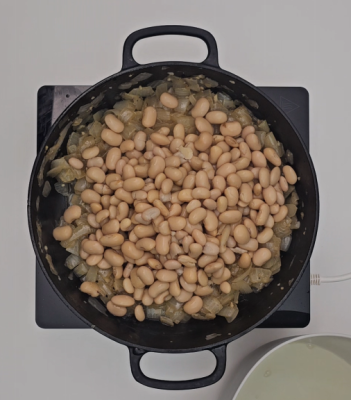
- Beans: Typically the Tetovac or Butter Bean varieties, renowned for their robust texture and excellent flavor absorption.
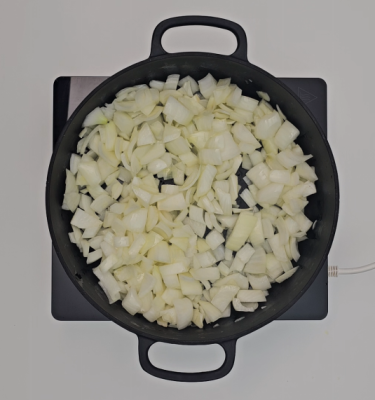
- Onions: Sliced and sautéed until they are sweet and caramelized, enriching the dish’s savory profile.
- Garlic: Adds a pungent richness, deepening the overall flavor.
- Ground Paprika: Both minced pepper and smoked varieties, delivering a distinctive, slightly smoky kick.
- Bay Leaves (Lorber Leaf): Introduces a subtle layer of complexity and depth.
- Sunflower Oil: Used to bind ingredients and enhance the taste.
- Salt and Pepper: Essential for seasoning and bringing out the flavors.
- Ground Allspice: A hint of this spice ensures each bite is flavorful.
What are the health benefits of Prebranac?
Enjoying Prebranac comes packed with health advantages, thanks to its nutritious components:
- Support digestive health: Beans are high in fiber, offering digestive benefits and helping maintain healthy cholesterol levels.
- Provide a protein boost: As a nutrient-rich alternative to meat, beans supply ample protein for vegetarians and those cutting back on meat.
- Reduce inflammation risks: Onions not only enhance flavor but also provide antioxidants that may help lower chronic disease risks.
- Boost your immunity: Garlic contains compounds that could bolster immune function and contribute to heart health.
- Promote heart health: Sunflower oil is rich in unsaturated fats that support cardiovascular well-being.
- Add antioxidants: Herbs and spices like bay leaves and paprika offer additional anti-inflammatory properties.
What are some tips for making authentic Serbian Prebranac at home?
Here are some valuable tips to help you along the way:
- Choose the Right Beans: Opt for Tetovac or another variety of white beans, as these absorb flavors beautifully and offer a creamy texture that is characteristic of traditional Prebranac.
- Soak the Beans: Be sure to soak the beans overnight. This not only speeds up the cooking time but also ensures that the beans achieve the desired tenderness.
- Layering Flavors: The key to Prebranac is slowly cooking the onions and garlic until they reach a caramelized state. This forms a deep, rich base that carries the flavor of the dish.
- Season Generously: Use generous amounts of paprika, both for color and for a hint of smokiness. The bay leaves and ground allspice should not be overlooked, as they add depth and complexity.
- Low and Slow: After assembling the ingredients in a baking dish, let them cook slowly in the oven. This slow baking process allows the flavors to meld and intensify, resulting in a savory and satisfying dish.
- Rest Before Serving: Like many stews, Prebranac benefits from resting before serving. Prepare it a day ahead if possible, allowing the flavors to fully develop before reheating and serving.
What are the regional variations within Serbia?
Serbia’s regional cuisines offer unique versions of this dish, each reflecting local tastes and ingredients.
- In Vojvodina, cooks add paprika for extra spice, while in Belgrade, they focus on caramelized onions for a sweet and savory mix.
- Meanwhile, in southern Serbia, adding smoked meats gives the dish a rich, smoky flavor that aligns with traditional cooking.
- In eastern Serbia, where Balkan influences are strong, people often add lots of garlic for an intense aroma and punch.
What is the history of Prebranac?
Prebranac is a popular dish in Balkan and Serbian cooking, although its origins are not very clear. The name “prebranac” originates from a Serbian word meaning “to sort,” which highlights how cooks select the best beans for this delicious meal. It uses simple ingredients that are easy to find, making it an affordable and filling choice for many families.
This dish became popular during the Ottoman Empire, which brought new spices and cooking methods to the region. Beans, being cheap and nutritious, became an important part of the Serbian diet. Prebranac grew along with Serbia’s farming lifestyle, as beans were often grown in the area. Because of its simple ingredients, it quickly became a favorite in rural communities and is often made in large amounts for family gatherings and special occasions.
Prebranac also shows Slavic cooking traditions, focusing on hearty meals for cold winters. The use of paprika in the dish reflects Hungarian cooking, adding to its unique flavor. All these elements combine to make Prebranac stand out from similar bean dishes in nearby countries.
How does the sauce of Prebranac compare to similar bean dishes worldwide?
When you compare Prebranac to similar dishes around the world, you’ll notice both similarities and differences.
- Take the French cassoulet, for instance; it features beans with a complex sauce that includes duck or sausage and herbs like thyme and bay leaf, providing a meatier flavor compared to Prebranac’s simpler yet robust taste.
- In Mediterranean cuisines, dishes like Greek fasolada and Italian fagioli all’uccelletto focus on beans in a tomato-based sauce with olive oil and herbs.These ingredients offer a fresher flavor. In contrast, Prebranac relies on paprika and onions for its earthy sweetness.
- Latin American dishes, such as Cuban black beans and Brazilian feijoada, present beans in rich sauces with spices like cumin, yielding zestier flavors. On the other side, Prebranac is mellow, emphasizing the sweetness of onions and depth of paprika.
- Mexico’s Frijoles Charros includes bacon and jalapenos for spice, while Greek gigantes plaki uses large butter beans cooked slowly with tomatoes. Although both use olive oil and onions, Serbian dish centers on paprika’s warmth, whereas gigantes plaki highlights fresh herbs.
- Finally, Prebranac and Romanian Fasole Batuta share similarities, focusing on beans, onions, and paprika for bold flavors. While Serbian version features whole beans, Fasole Batuta is smoother and mashed, both showcasing the region’s love of paprika.