What is Moroccan Tagine?
Moroccan Tagine is more than just a meal; it’s a flavorful journey into Morocco’s culture and lifestyle. In Moroccan households, tagine is regarded as both a daily meal and a dish for special occasions.
This dish is named after the North African pot it’s cooked in, known for its conical shape that keeps the stew moist and packed with flavor.
In a traditional Moroccan tagine, you will find a mix of ingredients. Common choices include lamb, chicken, or fish, along with vegetables and spices. Popular spices are cumin, paprika, turmeric, and cinnamon. As a result, these spices make rich flavors that are the signature of Moroccan dishes.
Comparing Moroccan Tagine with Global Cousins
Every culture seems to have its own version of a hearty, one-pot meal. As with Moroccan tagine, these dishes are often steeped in tradition and regional flavors. Let’s take a look at how they compare.
- Italian Osso Buco: Unlike the fragrant spices of a Moroccan dish, this Italian staple focuses on the rich taste of braised veal shanks infused with white wine, vegetables, and broth. While tagines might feature apricots or dates, Osso Buco includes the zest of gremolata—a mix of lemon, garlic, and parsley.
- Indian Biryani: While not a stew, Biryani is often compared to tagine due to its complex layering of spices, meats, and sometimes fruits or nuts. However, biryani is a rice-based dish, offering a different texture than the slow-cooked, simmered stews like tagine.
- Japanese Sukiyaki: The Japanese sukiyaki also shares common ground with tagine through its communal style of serving. This hot pot dish, typically cooked at the table, combines beef slices with tofu, vegetables, and noodles in a soy-based sauce, though it lacks the fruit and spice complexity of the Morrocan dish.
- Persian Khoresht: These are stews made with a variety of ingredients such as meat, vegetables, and legumes, often flavored with a mix of spices and herbs. At the same time, the method of slow cooking and the use of a single pot is reminiscent of the Moroccan version.
- Latin American Feijoada: This Brazilian stew is made with black beans and a variety of salted pork or beef products. Similarly to tagine, it is a hearty, slow-cooked dish that brings together a variety of ingredients.
Moroccan Tagine vs. French Cassoulet: A Flavorful Showdown
While both Moroccan Tagine and French Cassoulet exemplify the art of slow cooking, each encapsulates a unique narrative of its cultural identity and culinary tradition. Let’s delve into what sets them apart:
Cooking Technique: The Tagine is simmered slowly in a conical, dome-shaped clay pot, harnessing steam to tenderize meats and blend spices profoundly. In contrast, Cassoulet is traditionally baked in an earthenware dish, allowing the meats and beans to meld into a hearty concoction with a caramelized top.
Flavor Profile: The Moroccan dish usually combine sweet and savory flavors, using spices like cumin, coriander, and saffron, and fruits such as apricots or prunes. This mix creates a strong, fragrant taste. In contrast, Cassoulet is a heartier dish that features duck confit, pork, and creamy white beans. It gets its flavor from herbs like thyme and bay leaf.
Ingredients: Typical ingredients of a Tagine include a variety of meats (such as lamb or chicken), vegetables, and a medley of North African spices. Cassoulet is predominantly meat-centric with an emphasis on duck, sausages, and pork, giving it a heartier composition.
The Ingredients That Make a Perfect Moroccan Tagine
To make a great Moroccan Tagine, start by choosing the right ingredients. Each ingredient adds its own unique flavor to this tasty dish.
- Proteins: Choose from chicken, lamb, or beef, each offering a different depth of flavor. Chicken version, in particular, remains popular for its tenderness and juiciness when simmered slowly in a tagine pot.
- Spices: Spices like cumin, coriander, cinnamon, ginger, and saffron form the flavorful heart of this dish. Balance them carefully to create layers of warmth and complexity.
- Fruits and Nuts: Add sweet elements such as dried apricots, figs, or prunes, with almonds or pine nuts, for texture and sweetness that perfectly complements the savory parts.
- Vegetables: Incorporate colorful vegetables like carrots, bell peppers, and tomatoes for both visual appeal and a variety of flavors and nutrients.
- Preserved Lemons and Olives: These essential ingredients in many Moroccan Tagine recipes add distinct brininess and citrusy zing that elevate the dish.
Regional Variations of Moroccan Tagine
Moroccan Tagine showcases a range of vibrant regional variations, each one brimming with unique flavors and celebrating local ingredients and traditions. From the bustling markets of Marrakech to the serene oases of the Sahara, each tagine has a personality all its own.
Let’s just mention, there are over 5,000 different variations of Moroccan tagine recipes available online.
In Southern Morocco, particularly the Souss region, you find the Lamb and Fig Version. This version pairs almonds, honey, and figs to create bold sweet and savory notes. Saffron and ginger add an eye-catching yellow hue and a rich aroma.
Travel north to Tangier, a coastal city, and you’ll find seafood tagines inspired by the maritime lifestyle. Fresh fish, mussels, and calamari combine with olives, preserved lemons, and a hint of chili for a zesty flavor.
In the Atlas Mountains, try the Tagine of Quail with Apricots. Here, the savory quail harmonizes with sweet apricots and fragrant herbs like rosemary and thyme.
These regional renditions illuminate Morocco’s diverse landscape and the ingenuity of its people.
Tagine Pot: The Traditional Cooking Vessel Explained
The traditional tagine pot is an iconic symbol of Moroccan cooking, famous for its unique design and how well it cooks food. Made from clay, this special pot enhances flavors by slow cooking. It consists of two parts: a shallow, round base and a cone-shaped lid. This unusual shape helps steam to circulate back into the dish, keeping the meat tender and flavors rich.
Cooking with a tagine pot takes time and care. The ingredients cook slowly, allowing the pot to keep the moisture inside. This method helps blend the flavors of Moroccan spices like cumin, coriander, and saffron into the dish. As a result, you get a tasty and well-balanced dish.
The unglazed clay material ensures even heat distribution, so every part of the dish cooks perfectly. While traditional clay tagines remain popular, modern cast iron versions offer durability and convenience, keeping the essence of this culinary art alive.
To keep the authentic feel, make sure to season a clay pot before first use. Soak the pot, then apply a thin layer of olive oil, and heat it gently in an oven. This process strengthens the pot and enhances its non-stick quality, making it essential for cooking perfect Moroccan stews.
What are the best side dishes to serve with Moroccan tagine?
When serving Moroccan Tagine, choosing the right side dishes can enhance the overall dining experience:
- Couscous: This fluffy accompaniment pairs beautifully with the rich and savory flavors of the dish. Its light texture acts as a perfect base to soak up the aromatic sauce.
- Saffron Rice: The fragrant saffron complements the spices found in tagines, adding a subtle yet luxurious edge to the meal.
- Brown Rice: Offers a nutty flavor that works well with the dish’s complexity.
- Moroccan Bread (or khobz): A staple companion with its thick and chewy texture, ideal for scooping up the sauce.
- Arabic Salad: A simple mix of chopped cucumbers, tomatoes, onions, and mint, drizzled with lemon juice and olive oil, providing a refreshing crunch and tangy balance.
- Olives: These add a briny, tangy contrast to the richness of the dish
- Potato Cakes: Offer a comforting, starchy element that complements the heartiness of the dish.
What are some popular variations of Moroccan tagine?
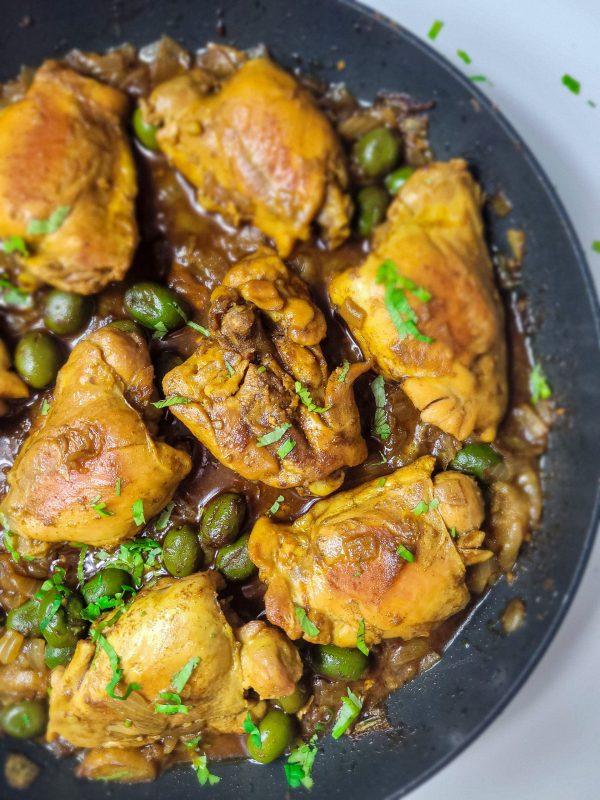
- Chicken with Preserved Lemons and Olives: Enjoy a classic version with tangy and savory flavors. It combines preserved lemons, green olives, and spices like turmeric and ginger, creating a bright yellow dish.
- Lamb and Prunes: Try this version for a sweet and savory experience, with tender lamb, prunes, almonds, and sometimes apricots, all spiced with cinnamon and ginger.
- Beef with Dates and Almonds: Pair beef with the sweetness of dates. Toasted almonds add a crunch for a delightful textural contrast.
- Vegetarian Berber: Perfect for a plant-based meal, this version includes seasonal vegetables like zucchini, carrots, and potatoes, flavored with saffron and coriander.
- Kofta Meatball Tagine: Savor spiced meatballs simmering in a rich tomato sauce, often with poached eggs on top for extra richness.
What are the health benefits of eating Moroccan tagine?
Imagine savoring a Moroccan Tagine that not only tantalizes your taste buds but also nourishes your body. Here’s how this delightful dish benefits your health:
- Brimming with fresh, whole ingredients like carrots, bell peppers, and tomatoes, it delivers a bounty of essential vitamins and minerals.
- Embraces heart-friendly olive oil, known for its healthy fats that support cardiovascular wellness.
- Packed with spices like turmeric, cumin, and ginger, known for their anti-inflammatory properties, enhancing digestion and offering potential protection against ailments.
- Offers a balanced nutritional profile with lean proteins such as chicken and lamb, or plant-based alternatives for vegetarians.
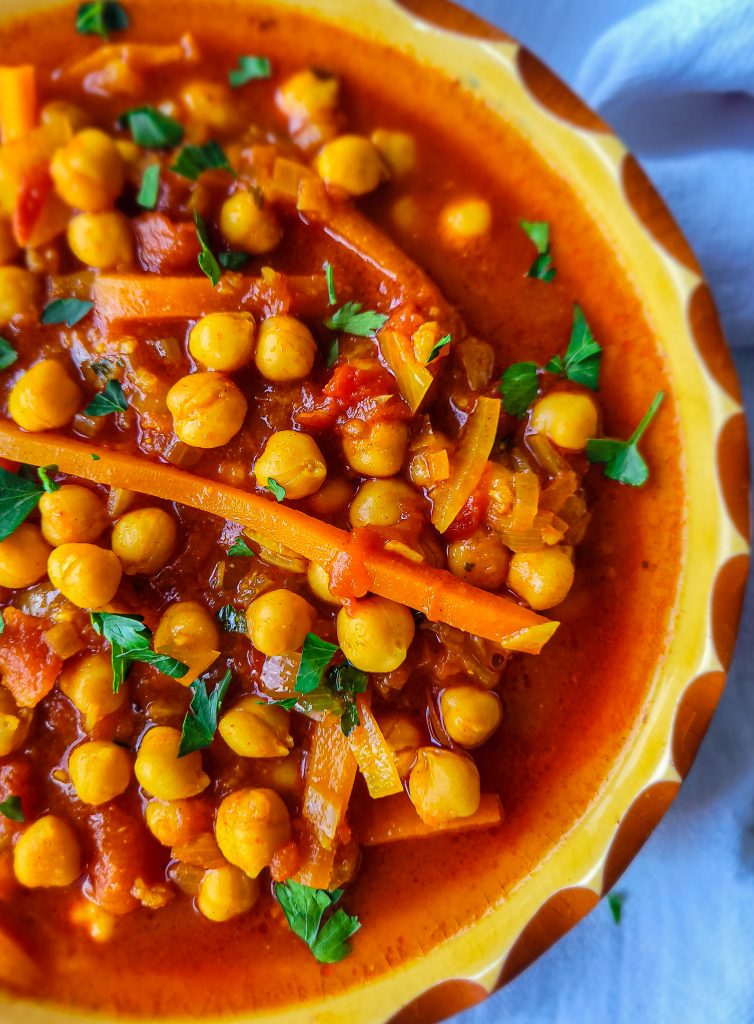
- Vegetarian and vegan versions often feature chickpeas or lentils, creating a protein-rich dish abundant with colorful vegetables.
- Utilizes slow-cooking methods that preserve the nutritional integrity of its ingredients.
- Infused with natural sugars from fruits like apricots or dates, reducing the need for refined sugars.
How is Moroccan Tagine traditionally served?
Moroccan tagine is a dish that people often cook and serve in the same pot. The pot has a tall, cone-shaped lid and serves as a centerpiece during meals. Diners gather around it, creating a communal dining experience.
In Morocco, meals are social events, and tagine reflects this tradition. People usually eat it with warm, crusty bread called khobz. They use the bread to scoop up the flavorful stew, which makes the meal more intimate and interactive. The bread also absorbs the tasty sauce, so everyone can enjoy every part of the dish.
While there are many variations, diners often pair tagine with simple sides like couscous or fresh salad. The choice of sides depends on the ingredients in the tagine, whether it uses meat or vegetables.
Tagine is traditionally served as the main dish. Afterward, people often enjoy fresh fruit or a light dessert to cleanse their palate. In Moroccan homes, mint tea is a common drink alongside the meal. It offers a refreshing contrast to the rich flavors of the tagine. This combination of food and drink shows the balance that defines Moroccan cuisine.
What is the historical origin of Moroccan Tagine?
The Moroccan tagine has a rich history linked to the cultural and food traditions of North Africa, especially among the Berber people. The Berbers are the original people of this region and they created the tagine. A tagine is both a type of dish and the special earthenware pot used to cook it. This cooking method goes back to ancient times, with signs of its use from the 9th century.
The word ‘tagine’ comes from the Berber word ‘tajin,’ which means earthenware pot. The pot has a conical shape that not only looks good but also helps steam circulate while cooking. This makes the meat tender and improves the flavors. The tagine is perfect for making slow-cooked stews, which are common in Moroccan food.
Over the years, many cultures have influenced the dish, including Arab, Moorish, and Ottoman traditions. Each culture added its own spices, ingredients, and cooking styles. Arab traders shared spices like saffron, cinnamon, and cumin, which added unique flavors. The Moors introduced olives and citrus fruits, which are now common in many tagine recipes.
When the French arrived in the early 20th century, they also changed Moroccan cooking by bringing in new methods and ingredients. Despite these changes, the tagine is still a key part of Moroccan food, showing its ability to blend new ideas while keeping its traditional roots.