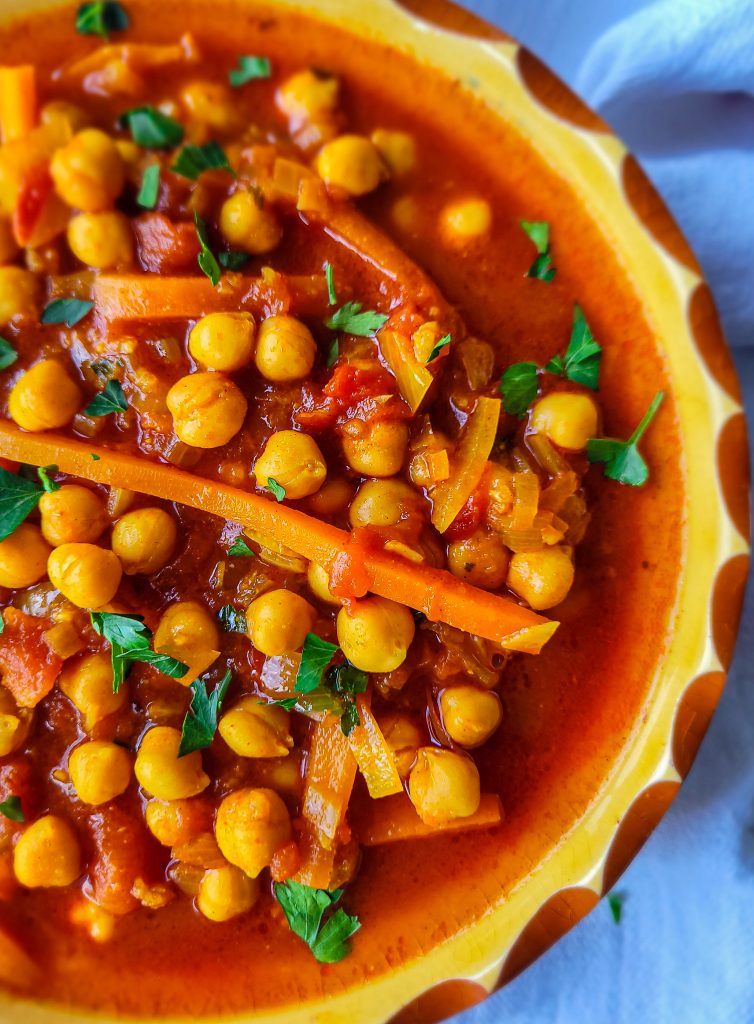
What Is Moroccan Harira?
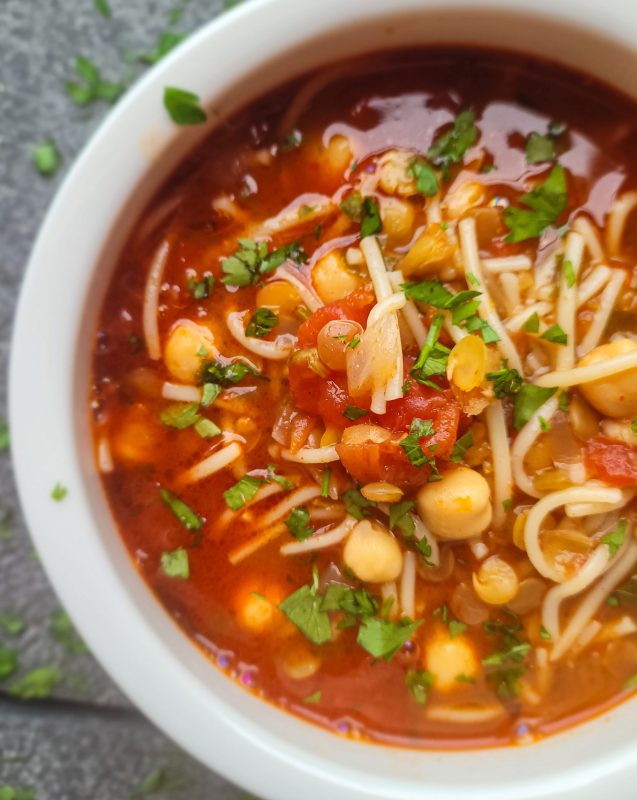
Moroccan Harira is a savory and hearty soup that is traditionally prepared with a rich tomato base, a variety of legumes such as lentils and chickpeas, and infused with fresh herbs and warm spices.
This soup is particularly famous for being served during the month of Ramadan, making it an essential comfort food for breaking the fast at Iftar.
What is the historical origin of Moroccan Harira?
The historical origin of Moroccan Harira is deeply rooted in the cultural and culinary traditions of Morocco. This hearty soup has been a staple in Moroccan households for centuries. Its origins can be traced back to the Berber tribes, the indigenous people of North Africa, who have inhabited the region for thousands of years.
Harira’s evolution into the dish we know today was influenced by various cultures and civilizations that have interacted with Morocco over the centuries. The Phoenicians, Romans, and Arabs all left their mark on Moroccan cuisine, contributing ingredients and cooking techniques that have been incorporated into the soup. The use of spices, legumes, and slow-cooking methods are particularly indicative of Arab culinary influence.
During the Islamic Golden Age, which spanned from the 8th to the 14th century, the exchange of knowledge and culture between the Middle East and North Africa flourished. This period saw the introduction of new ingredients such as lentils, chickpeas, and various spices, which became integral components of Harira. The dish’s rich and complex flavor profile is a testament to this era of culinary fusion.
Harira also reflects Morocco’s agricultural heritage. The use of locally grown ingredients such as tomatoes, cilantro, parsley, and various legumes showcases the country’s agricultural diversity. The inclusion of lamb or beef, which are common in Moroccan cuisine, further emphasizes the dish’s connection to local food practices.
Over time, regional variations of this soup have developed, reflecting the diverse ingredients and culinary methods of various Moroccan locales. Some regions favor a brothier consistency, while others prefer a thicker, stew-like texture. Despite these differences, the essence of Harira remains a comforting, aromatic bowl of goodness that represents the heart and soul of Moroccan cuisine.
Traditional Ingredients Used in Moroccan Harira
Moroccan Harira is celebrated for its rich and diverse array of ingredients, which together create a beautifully complex and comforting dish.
- Lentils and Chickpeas: Includes legumes such as lentils and chickpeas, which bring substance and nutritional benefits.
- Tomatoes: Features a tomato base, providing a slightly tangy and robust flavour profile.
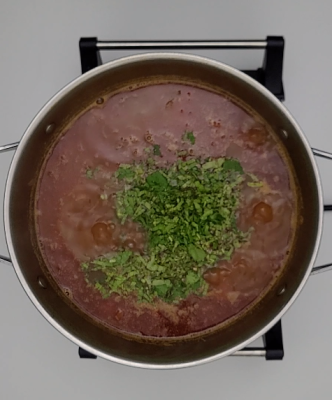
- Parsley and Cilantro: Fresh herbs like parsley and cilantro infuse the soup with vibrant notes
- Spices: Spices contribute to its distinctive aroma and flavour. Key spices include turmeric, cumin, cinnamon, and ginger. Turmeric provides a warm, earthy note and vibrant colour, while cumin adds a nutty, peppery undertone. Cinnamon offers a subtle sweetness and aromatic complexity, and ginger brings a hint of zest and warmth, enhancing the overall profile of the soup. Saffron, though optional, offers a luxurious aroma and a characteristic yellow tint.
- Vermicelli Noodles or Rice: Often includes vermicelli noodles or rice, adding texture and making the soup hearty and filling.
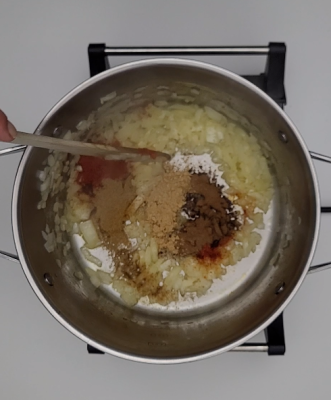
- Meat (Optional): Some variations include meat, typically lamb, seared with onions in olive oil to form a savory base.
- Tomato Paste: Tomato paste is used to deepen the tomato flavour and add richness to the soup.
- Homemade Salsa: Preparation often involves creating a homemade salsa of blended tomatoes, celery, and parsley to enhance the depth of flavour.
- Fresh Lemon: Traditionally garnished with a squeeze of fresh lemon and a sprinkle of chopped parsley or cilantro before serving.
Harira vs. Lentil Soup: What’s the Difference?
While both Harira and lentil soup are beloved comfort foods, they offer distinct flavour profiles and cultural significance. Harira is characterized by its intricate blend of spices such as turmeric, cumin, and cinnamon, which provide a rich, aromatic experience. In contrast, traditional lentil soup tends to have a more straightforward seasoning profile, often highlighting ingredients like garlic, onions, and simple herbs.
Harira also incorporates a variety of legumes, including chickpeas and lentils, which add a diverse texture that makes each spoonful more engaging. On the other hand, lentil soup predominantly focuses on lentils as the main component, occasionally accompanied by vegetables such as carrots and celery.
Another significant distinction lies in the base of these soups. Harira features a tomato-based broth, rendering a tangy and slightly sweet undertone, whereas lentil soup often has a broth that might be vegetable or meat-based, allowing the earthy flavor of lentils to shine through. Additionally, Harira can include ingredients like vermicelli noodles or rice, making it a more filling option, while typical lentil soups remain relatively simple in composition.
Moreover, the cultural contexts of these soups differ. Harira holds a special place in Moroccan cuisine, especially during the month of Ramadan, when it is traditionally served to break the fast. Lentil soup, however, is a staple across various cultures and is enjoyed year-round without any specific ceremonial ties.
In essence, while both soups are hearty and nutritious, the former is distinguished by its complex spice blend and varied ingredients, which together create a unique culinary experience rooted in Moroccan tradition.
Moroccan Harira vs. Algerian Chorba: Similarities and Differences
When you explore the culinary landscapes of Morocco and Algeria, you’ll encounter Harira and Chorba, two soups that share similarities yet stand distinct in their own rights. Both dishes are staples during the holy month of Ramadan, serving as comforting and nutritious appetizers to break the fast. However, the nuanced differences in ingredients and preparation methods contribute to their unique identities.
Firstly, Harira is a tomato-based soup rich with lentils, chickpeas, and often small pieces of lamb or beef. Spices like turmeric, cumin, and cinnamon lend it a warm, aromatic profile. Chorba, on the other hand, typically has a lighter, more broth-like consistency and often incorporates vermicelli or other tiny pasta shapes instead of lentils. The protein in Chorba commonly includes lamb, but you might also find variations with chicken or beef.
Chorba’s flavor palette tends to be less complex than Harira’s, focusing on fresh ingredients like tomatoes, onions, and celery, with a more restrained use of spices. You’ll find regional differences too—Chorba Frik, a popular variant, uses crushed wheat (frik) instead of chickpeas, which sets it apart significantly from Harira.
One of the more defining differences lies in the use of herbs. While Harira is often garnished with fresh cilantro and parsley, Chorba favors mint and sometimes even coriander, imparting a distinctly different aroma and taste. These subtle variations between Harira and Chorba showcase the rich tapestry of North African cuisine, reflecting the geographical and cultural influences that have shaped these dishes over centuries.
Health Benefits of Moroccan Harira
Moroccan Harira isn’t just a delight to the palate; it also packs a multitude of health benefits. Harira soup is nutritious, with a variety of wholesome ingredients contributing to a balanced diet. Each serving contains an average of 150 calories.
- Rich in Nutrients: Harira is loaded with lentils and chickpeas, which are excellent sources of protein and dietary fiber. These legumes provide essential nutrients such as iron, magnesium, and potassium, vital for maintaining energy levels and overall well-being.
- Boosts Immunity: The tomatoes are a potent source of vitamins A and C. Vitamin C, in particular, is known for its immune-boosting properties, helping to ward off colds and infections. Additionally, the fresh herbs like cilantro and parsley offer a good dose of antioxidants, which can help reduce inflammation.
- Aids Digestion: The high fiber content in lentils and chickpeas promotes healthy digestion by helping to regulate bowel movements and preventing constipation. The spices such as cumin and turmeric, have been noted for their digestive benefits, further enhancing the soup’s gentle effect on the stomach.
- Heart-Healthy Ingredients: Harira’s ingredients are naturally heart-friendly. Lentils and chickpeas help lower cholesterol levels, while the absence of heavy fats makes it a lighter option for those looking to maintain cardiovascular health.
- Weight Management: Due to its high protein and fiber content, it is quite filling, which can help in managing hunger levels and preventing overeating. This makes it an excellent option for those looking to maintain or lose weight.
Whether you’re seeking a nutritious meal during Ramadan or a wholesome soup to enjoy year-round, this soup offers a plethora of health benefits that make it a standout dish in the realm of traditional soups.
Pairing Harira with Other Moroccan Delicacies
Moroccan Harira is traditionally served as a starter or main course, depending on the occasion. During the holy month of Ramadan, it is especially significant as it is commonly eaten to break the fast at iftar, the evening meal. The soup is typically served hot, often accompanied by dates and a squeeze of lemon juice to enhance its flavors.
Harira is frequently presented in large communal or individual soup bowls in Moroccan households.
Here are some delightful pairings you can consider:
- Bread: No Moroccan meal is complete without fresh bread. Khobz, a traditional Moroccan flatbread, complements the hearty flavors of Harira perfectly. You can also try pairing it with Msemen, a flaky, pan-fried bread, for a different texture.
- Salads: Moroccan meals often start with a variety of fresh salads. Zaalouk, a smoky and flavorful eggplant and tomato salad, or Taktouka, a mix of peppers, tomatoes, and spices, can be excellent starters. These salads not only add a burst of freshness but also balance the rich, warming spices of Harira.
- Tagine: For a more substantial meal, pairing Harira with a traditional Moroccan tagine can be a delightful experience. The slow-cooked tagine, whether it is made with chicken, beef, or vegetables, offers a savory complement to the soup. The flavors from the tagine tend to mingle well with the spices in Harira.
- Sweets: After a hearty meal of Harira and other dishes, treat yourself to some traditional Moroccan desserts. Chebakia, sesame cookies coated in honey, or a slice of honey-drenched Basbousa, can provide a sweet conclusion to your meal.
- Mint Tea: Finally, no Moroccan meal is complete without a cup of fresh mint tea. This aromatic and slightly sweet tea is the perfect way to cleanse the palate and digest the rich flavors of Harira and its accompaniments.
Vegetarian and Vegan Versions of Harira
Creating a vegetarian or vegan version of Harira is simpler than you might think and equally satisfying. The heart of Harira lies in its wholesome ingredients like lentils, chickpeas, and tomatoes, which are naturally vegan. Simply skip the meat, and you’ll still be left with a nourishing and flavorful dish.
In a vegetarian version, you might use vegetable stock instead of the traditional beef or lamb stock. This substitution maintains the depth of flavour and richness of the soup. Additionally, incorporating other vegetables like carrots, zucchini, or potatoes can further enhance the texture and nutritional value.
For a fully vegan Harira, ensure you use vegan-friendly vermicelli or replace it with rice if you prefer. If you’re looking to add a touch of umami without animal products, consider adding a splash of soy sauce or a dollop of miso paste.
Experimenting with spices is another wonderful way to make the vegan version stand out. Add extra cumin, coriander, or cinnamon to intensify the flavor profile. Fresh herbs like parsley, cilantro, and mint also play a significant role; their fresh, aromatic qualities bring the dish to life.
Remember, the key to a great Harira, whether traditional or vegan, lies in its slow-cooking process. Let the ingredients simmer gently, allowing the flavors to meld together, creating that soul-warming, hearty Moroccan staple you crave.
Comparing Moroccan Harira to Middle Eastern Soups
Moroccan Harira stands out in the realm of Middle Eastern soups with its rich history and unique flavor profile. While it shares some common ingredients such as chickpeas, lentils, and tomatoes, its distinct combination of herbs and spices like turmeric, cumin, and cinnamon sets it apart. These spices not only infuse the soup with warmth but also provide a depth of flavor that is quintessentially Moroccan.
Contrasting Harira with Middle Eastern soups such as Lebanese Shorbat Adas (lentil soup), we find that the latter often employs a simpler spice palette, frequently relying on cumin as the primary spice. Shorbat Adas is typically smoother in texture, often blended to a purée, whereas Harira retains its chunky consistency, offering a more hearty and rustic experience.
Another notable comparison can be made with Turkish Mercimek Çorbası, a red lentil soup. While Mercimek Çorbası also embraces the use of lentils and sometimes includes mint as a garnish, it lacks the varied legume mix and complex spice blend found in Harira. Additionally, Harira’s inclusion of meat (typically lamb or beef) provides a richness that is absent in the vegetarian Turkish variant.
It’s important to highlight that Harira’s role during the month of Ramadan as a traditional iftar meal (meal to break the fast) is comparable to the significance of soups like Egyptian Molokhia and Syrian Lentil Soup in their respective cultures. However, Harira’s nourishing combination of proteins, legumes, and aromatic spices uniquely suits it for re-energizing after a day of fasting.
Ultimately, while Moroccan Harira shares similarities with other Middle Eastern soups in terms of basic ingredients, its complex flavor, versatile ingredients, and cultural significance notably distinguish it from its counterparts. This not only highlights the diversity within Middle Eastern and North African cuisine but also showcases the unique culinary identity of Morocco.
What are common variations of Harira recipes across different regions in Morocco?
Moroccan Harira is a versatile dish with variations that show the different culinary traditions in Morocco. The way Harira is made can change depending on the region and family tradition.
In the northern regions, such as Tangier and Tetouan, Harira often includes a generous amount of fresh herbs like cilantro and parsley, giving it a vibrant green hue and a fresh, aromatic flavour. These regions also tend to use a mix of both lamb and beef to create a richer broth.
In the central regions, including cities like Fes and Meknes, Harira recipes often incorporate more spices, such as ginger, cinnamon, and saffron. These spices add a warm, complex flavour profile to the soup. Additionally, the use of chickpeas and lentils is more pronounced, making the soup heartier and more filling.
Southern Moroccan Harira, particularly from areas like Marrakech and Ouarzazate, tends to be spicier. Cooks in these regions might add harissa or other hot peppers to give the soup a bit of a kick. The use of tomatoes is also more prominent, resulting in a redder, more tomato-forward broth.
In coastal regions, seafood variations of Harira can be found. These versions might include fish or shrimp, adding a unique twist to the traditional meat-based soup. The inclusion of seafood not only changes the flavor but also the texture, making it lighter and more suitable for warmer climates.
During Ramadan, a special variation of Harira is often prepared that includes dates and a touch of honey for sweetness. This version is particularly popular for breaking the fast, as the sweetness provides a quick source of energy. Additionally, some families might add rice or small pasta to make the soup more substantial.