What is Moroccan Bastilla?
Moroccan Bastilla, also known as Pastilla, is a delicious dish from Morocco, often regarded as a highlight of the country’s renowned cuisine. Its uniqueness comes from its taste, preparation, and presentation.
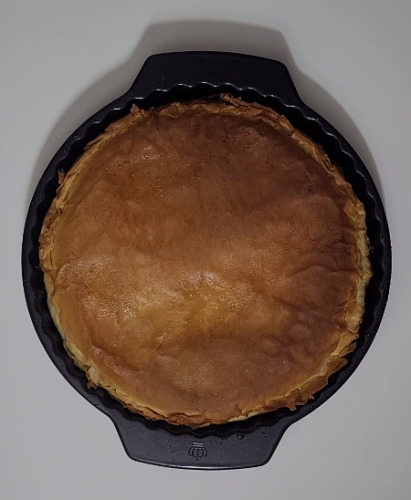
The dish has a flaky, golden crust made from warka, a thin, pastry-like phyllo dough. Inside, you’ll find spiced meat like chicken or pigeon, eggs, almonds, and spices such as cinnamon, saffron, and ginger. A sprinkle of sugar and cinnamon on top adds an exciting sweetness to the savory flavors inside.
In Moroccan cooking, this dish that represents hospitality and is typically served to guests at weddings and special celebrations.
Bastilla chicken pie balances textures and flavors beautifully, showcasing the rich culinary traditions of Morocco. Very often
How is Moroccan Bastilla typically served at Moroccan celebrations?
Bastillaor, or Moroccan chicken pie, is a delicious dish that’s often enjoyed as an appetizer or main dish during special events and celebrations.
Serve it to make any meal special. Highlight its gorgeous, flaky golden crust on a large, ornate platter.
Let it cool for a few minutes before cutting. This helps the flavors blend and makes it easier to slice. Then, cut it into big wedges and arrange them nicely on the platter. Make sure each slice shows off the layers of pastry and stuffing.
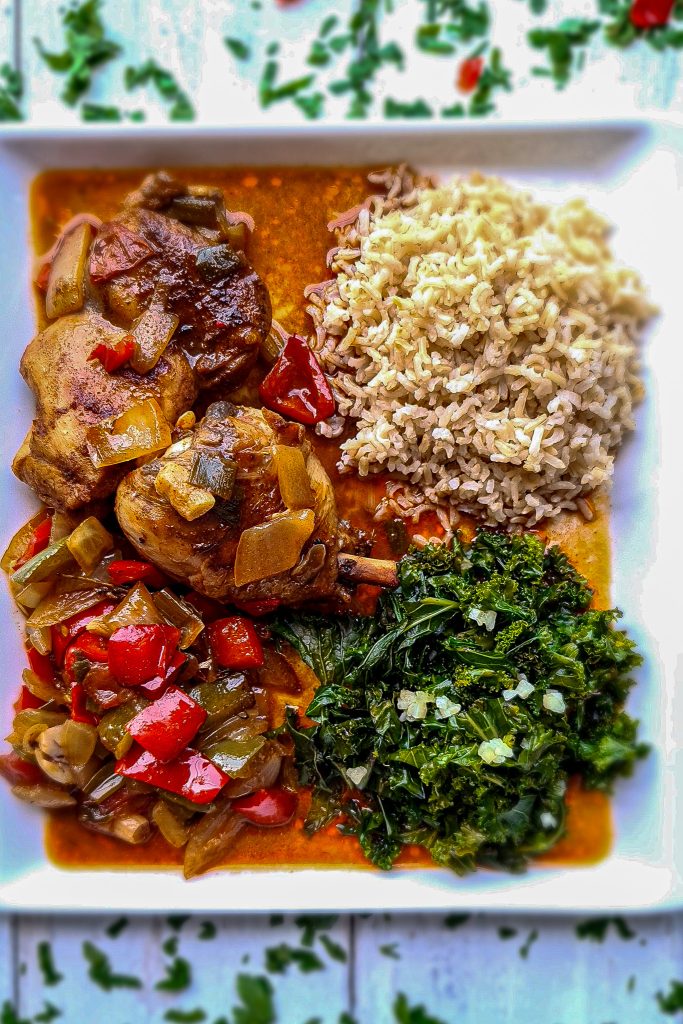
Typically, this dish is accompanied by an array of vibrant and flavorful sides that balance its rich and savory profile.
- Roasted Vegetables: One classic accompaniment is a platter of roasted vegetables. Carrots, bell peppers, and zucchini, seasoned with Moroccan spices, offer a wonderful contrast to the crisp and flaky pastry.
- Moroccan-Style Carrot Salad: Elevate your meal with a refreshing Moroccan-style carrot salad. This side dish, with its bright flavors of lemon and spices, provides a refreshing counterpoint to the richness of the pie.
- Mediterranean Bean Salad: For a heartier option, a Mediterranean bean salad is a popular choice. Seasoned with herbs and a light vinaigrette, this salad offers a vibrant mix of textures and flavors.
You can sprinkle a mix of powdered sugar and cinnamon on top before serving. This sweet touch is famous in Moroccan food and highlights the dish’s unique sweet and savory taste.
Serve Moroccan mint tea with the Bastilla. It tastes great and helps with digestion.
These tips make it a culinary adventure celebrating Morocco’s vibrant culture.
Where did Moroccan Chicken Bastilla originate?
Bastilla’s story begins with the flavorful cuisine of Andalusia, a region with connections to the Iberian Peninsula. This delicious pie traveled to Morocco when Muslims left al-Andalus after the Reconquista in 1492. These travelers brought their rich culinary traditions to Moroccan kitchens. The dish evolved further when Jews expelled from Spain settled in Morocco and added their twist.
The name ‘bastilla’ likely comes from the Spanish word ‘pastilla,’ linking the pastry to its past. This migration is when ‘pastilla’ started to change into today’s Moroccan Bastilla.
In Morocco, locals adapted the dish to suit their tastes by using rich spices and flavors typical of Moroccan food. Originally, Bastilla featured pigeon meat, but chicken became more common due to its availability.
By the 19th century, this dish became famous in Tetouani cuisine, introducing the paper-thin ouarka pastry that wraps its savory and sweet filling. This balance of texture and flavor reflects centuries of refinement and fusion.
Conversely, the name ‘Bstila’ might stem from Turkish origins, hinting at Ottoman influences in North Africa. Yet, Moroccan spices and cooking methods shaped it into the beloved dish enjoyed today.
Today, Bastilla, also known as Bstila, shines as a treasured Moroccan dish. However, the name and recipe suggest an interesting history.
What is Bastilla made off?
Some of the essential ingredients used include:
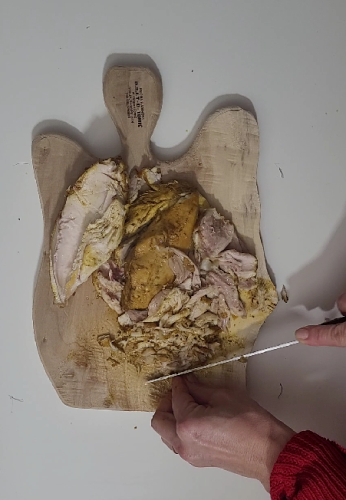
- Chicken or Pigeon Meat
- Warqa Pastry (similar to phyllo, but thinner and more delicate)
- Cinnamon
- Ginger
- Saffron
- Black Pepper
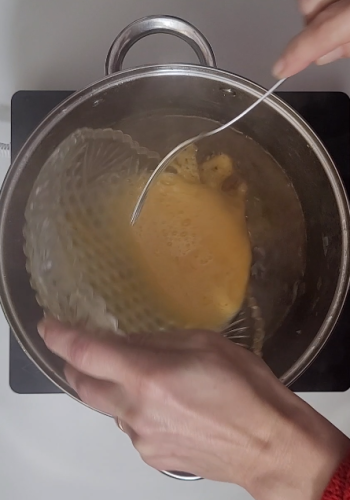
- Eggs (scrambled with herbs)
- Almonds (gently fried and ground)
- Confectioner’s Sugar
Making Bastilla is seen as a true art form in Moroccan culture. It takes a lot of skill to mix the different flavors and textures just right, creating a delicious and beautiful dish.
What are some effective strategies for preparing Moroccan Bastilla?
When making this dish, focus on accuracy and patience for the best results. Here are some easy tips to help you:
- Plan Ahead: Bastilla takes time with its many steps. Start the day before so the flavors mix well.
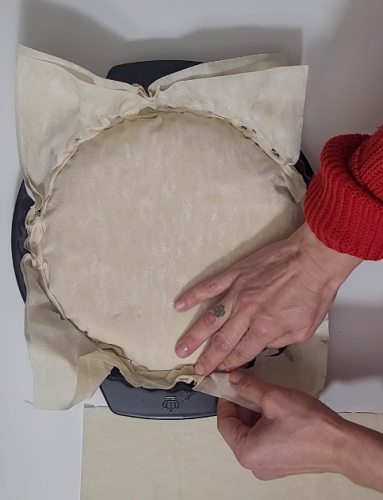
- Handle Phyllo Quickly: The crispy layers are crucial. Work fast with phyllo dough so it doesn’t dry. Keep spare sheets under a damp towel.
- Boost with the Right Flavors: Almonds, cinnamon, and saffron are a must. Mix these spices into your meat to get that Moroccan taste.
- Layer for Flavor: Layer meat, almonds, and egg. It mixes flavors and textures in each bite.
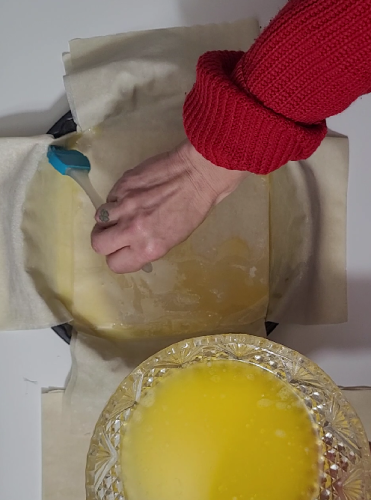
- Finish with a Crisp Top: A golden top is key. Brush it with melted butter and bake at high heat for a perfect finish.
What are some variations of Moroccan Bastilla found in different regions?
Moroccan Bastilla started with chicken or pigeon, but now you can find many regional versions that use local ingredients.
- In coastal areas, they make a seafood version with fish, shrimp, and calamari wrapped in the same light phyllo dough. This version adds a refreshing marine flavor to the traditional dish, thanks to the fresh seafood along Morocco’s coastline.
- In the northern city of Tetouan, you’ll find it mixed with Andalusi flavors due to Spain’s past influence on Moroccan food. This variation might include almonds and cinnamon with the savory filling, adding layers of flavor that remind you of Andalusi culinary traditions.
- In Morocco’s heartlands, some versions often incorporate local agricultural products. You might see one with dates or olives, which add a sweet or salty twist to enhance its rich taste.
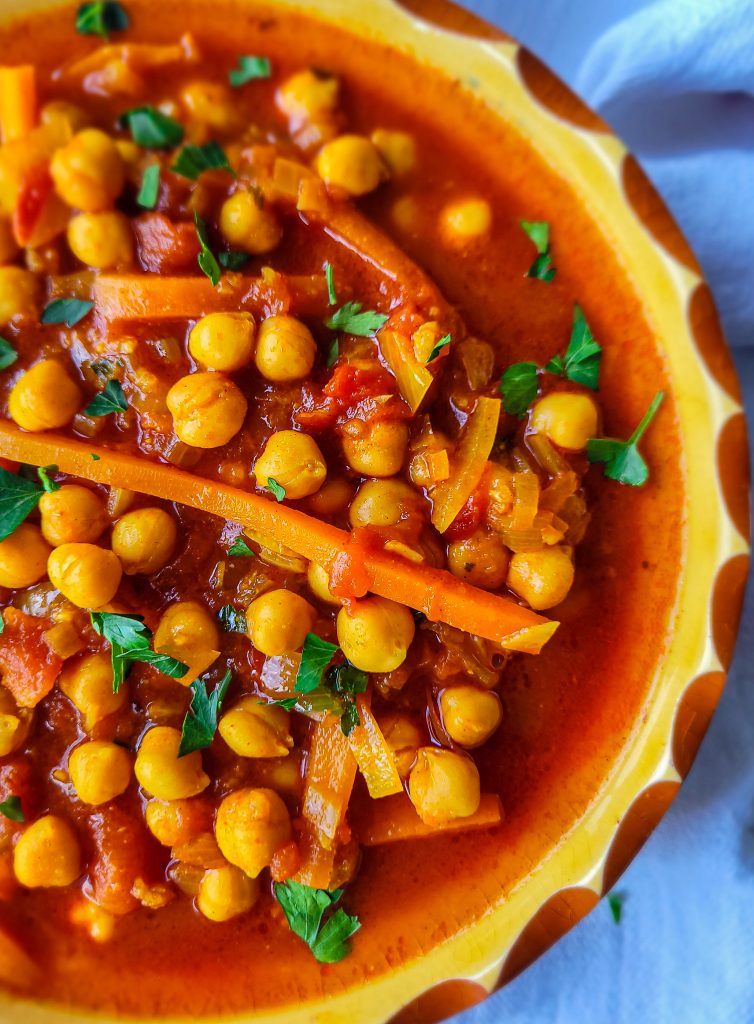
Today, creative chefs have introduced even more varieties, including vegetarian Bastilla, using vegetables and spiced chickpeas instead of meat
How does Moroccan Bastilla compare to similar dishes globally?
Across the globe, many dishes share similarities with Bastilla.
- First, let’s explore Greek Spanakopita. This dish features thin layers of pastry that wrap a filling made primarily of spinach, herbs, and feta cheese. While both Spanakopita and Bastilla showcase delicate pastry layers, Spanakopita remains entirely savory and lacks the sweet spices that define Bastilla.
- Next, we have Börek from Turkey. Similar to the Moroccan dish, Börek can contain various fillings, such as cheese, ground meat, or vegetables, all enveloped in thin pastry. The main similarity lies in the flaky pastry, but Börek typically includes only savory ingredients, unlike the blend of savory and sweet elements found in Bastilla.
- When we look at British Mince Pie, we notice a different kind of comparison. This treat typically contains chopped dried fruits, fat, and spices, making it sweet and often enjoyed during the holiday season. Unlike Bastilla, Mince Pies do not include meat and serve strictly as desserts rather than a main dish or starter.
- Indian Samosas also deserve mention. Like Bastilla, Samosas feature meat mixed with spices inside a pastry shell. However, Samosas usually come in smaller sizes, get fried, and lack the sweet components or layered style of Bastilla.
In summary, while these dishes may share some characteristics with Bastilla, its unique preparation and perfect blend of flavors set it apart.ors.