What Is Moroccan Baba Ganoush?
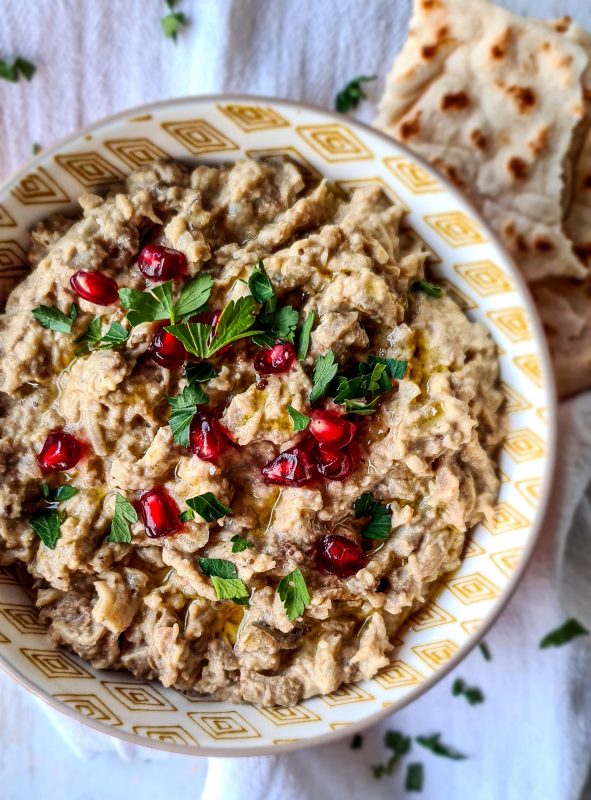
Moroccan Baba Ganoush is a tasty dish made from eggplant. It is creamy and smoky. The rich taste of eggplant mixes well with lemon juice, tahini, and garlic. Additionally, cumin and paprika add more flavor. Olive oil ties it all together. Furthermore, adding chopped parsley or cilantro makes it fresh.
Moroccan food is famous for using many spices and fresh ingredients. Moreover, the texture is important. Moroccan Baba Ganoush is smoother than other versions. It pairs well with crusty bread or fresh vegetables.
Ways to Serve Moroccan Baba Ganoush
Baba Ganoush is traditionally served as part of a mezze platter. This practice makes eating more enjoyable and encourages sharing.
- With Moroccan bread: Freshly baked Moroccan bread, like khobz, is great for scooping up the dip. Additionally, the bread’s soft texture complements the dish.
- With fresh vegetables: Serve it with vegetables like cucumber, bell peppers, carrots, and radishes. This method adds a refreshing crunch.
- In wraps and sandwiches: Use it as a spread in wraps and sandwiches. For example, add it to a pita wrap with grilled meats, greens, and olive oil.
- With grilled meats: Pair Baba Ganoush with grilled meats like lamb, chicken, or beef. Consequently, the flavors blend well together.
- Garnished with Moroccan touches: Garnish with olive oil, chopped cilantro or parsley, and a pinch of smoked paprika or cumin.
Moroccan Baba Ganoush vs. Middle Eastern Baba Ganoush
Moroccan and Middle Eastern Baba Ganoush are different in spices, texture, and presentation. Moroccan Baba Ganoush has cumin, paprika, fresh herbs, and lemon for a bright flavor. It is served as part of a mezze platter. In contrast, Middle Eastern Baba Ganoush is creamier with more tahini and olive oil. It is often garnished with pomegranate seeds, parsley, and olive oil. Both versions reflect their regional traditions.
Similar Dishes in Other Cultures
Moroccan Baba Ganoush is unique.
- Middle Eastern Baba Ganoush: This version is simpler with tahini, lemon juice, garlic, and olive oil. It has a milder flavor.
- Greek Melitzanosalata: This Mediterranean dish uses roasted eggplant, red wine vinegar, parsley, and sometimes feta cheese. It has a more acidic taste.
- Serbian Ajvar: This dish is mainly made of peppers but sometimes includes roasted eggplants. It is spicier than Moroccan Baba Ganoush.
Tips for Making Moroccan Baba Ganoush
Follow these tips for the best Moroccan Baba Ganoush:
- Choose the Right Eggplant: Pick firm and shiny eggplants. Additionally, smaller ones have fewer seeds and taste sweeter.
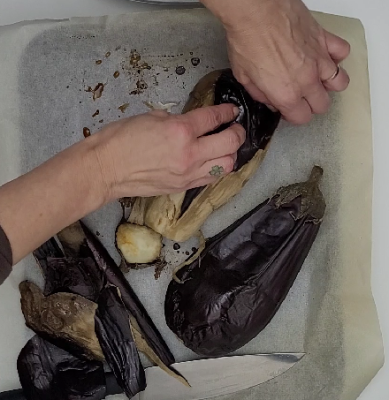
- Roast to Perfection: Roast the eggplants until charred and soft. This method adds a smoky flavor. Let them cool before peeling.
- Balance Your Seasoning: Use garlic, tahini, olive oil, lemon juice, salt, and cumin. Therefore, taste as you mix and adjust.
- Use Fresh Ingredients: Use fresh lemon juice, quality olive oil, and garlic. Moreover, avoid pre-packaged ingredients.
- Perfect the Texture: It should be somewhat chunky. Instead, mash the eggplant with a fork or wooden spoon.
- Add a Moroccan Twist: Add spices like ras el hanout or paprika. Fresh herbs like cilantro or parsley add freshness.
- Garnish with Flair: Top with olive oil, cumin or sumac, pomegranate seeds, or chopped nuts.
Cultural Significance of Moroccan Baba Ganoush
Moroccan Baba Ganoush is part of Moroccan culture. It is often served at family gatherings, celebrations, and social events. It symbolizes hospitality and sharing. Therefore, when you serve this dish, you share a piece of Moroccan heritage.
In Moroccan markets, the smell of roasted eggplant fills the air. The vibrant colors and aromatic flavors show the essence of Moroccan cuisine. Baba Ganoush is a staple next to tagine and couscous.
Health Benefits of Moroccan Baba Ganoush
Moroccan Baba Ganoush is healthy and tasty:
- Rich in Nutrients: Eggplant is low in calories and high in vitamins C, K, B6, potassium, and manganese.
- High in Fiber: This helps maintain a healthy digestive system and supports gut health.
- Antioxidant Powerhouse: Contains garlic, lemon juice, and olive oil, which are rich in antioxidants.
- Heart-Healthy Fats: Uses olive oil, providing fats that are good for heart health.
- Anti-Inflammatory Properties: Garlic has compounds that may reduce inflammation and support the immune system.
- Low in Carbohydrates: This is suitable for low-carb and ketogenic diets.
Common Mistakes to Avoid
Avoid these mistakes for the best results:
- Overcooking the Eggplant: Aim for a tender texture without losing the eggplant’s structure.
- Skipping the Draining Step: Drain the eggplant after roasting to remove excess moisture.
- Neglecting Seasoning Balance: Adjust seasoning gradually to avoid overpowering flavors.
- Using Low-Quality Tahini: High-quality tahini ensures a better taste.
- Ignoring Roasting Techniques: Try different roasting methods for the best smoky flavor.
- Serving Without Proper Chilling: Chilling for a few hours enhances the flavors.
Differences Between Baba Ganoush and Hummus
Both are popular dips but have different flavors and ingredients. Hummus is made from chickpeas, blended smooth with tahini, lemon juice, garlic, and olive oil. It has a nutty and savory taste. On the other hand, Baba Ganoush uses roasted eggplant, giving it a richer flavor and chunkier texture. Moroccan Baba Ganoush may also have cumin or cilantro, adding a unique touch.
What ingredients are essential for Moroccan Baba Ganoush?
- Aubergine (Eggplant): This essential ingredient, roasted for a deep smoky taste, forms the base of the dip.
- Tahini: A paste made from ground sesame seeds, tahini adds a creamy texture and nutty flavor that balances the smokiness of the roasted eggplants.
- Garlic: This ingredient is key. It provides a pungent kick that enhances the overall flavor. Fresh garlic cloves are usually minced or crushed to release their full aroma and taste.
- Lemon juice: It adds a zesty brightness to the dip, complementing the smokiness and nuttiness while balancing the richness of the tahini and the earthiness of the eggplants.
- Olive oil: Adds a smooth, fruity richness that ties all the flavors together. High-quality extra virgin olive oil is often preferred for its superior taste and health benefits.
- Fresh herbs: Parsley or cilantro add freshness and color, enhancing the visual appeal.
- Salt and pepper: These are fundamental for seasoning, bringing out the natural flavors of the ingredients. Adjustments are crucial for achieving the perfect balance.
Historical Origin of Moroccan Baba Ganoush
Moroccan Baba Ganoush has a rich history. It started in the Levant region, including modern-day Lebanon, Syria, and Israel. As it traveled to North Africa, it adapted to local tastes.
Arab, Berber, and Mediterranean flavors influence Moroccan this dish. Eggplant came to Morocco through Arab conquests in the 7th and 8th centuries. The term ‘Baba Ganoush’ means ‘pampered papa’ or ‘spoiled daddy’ in Arabic.
The Moroccan version includes local spices like cumin, paprika, and preserved lemons. These give it a unique flavor. Additionally, Morocco’s geography provides fresh produce that enhances the dish, reflecting its Berber roots and Andalusian influences.
Over centuries, Moroccan Baba Ganoush evolved through trade, colonization, and migration, becoming a beloved dish.