

What is Italian Marinara Sauce?
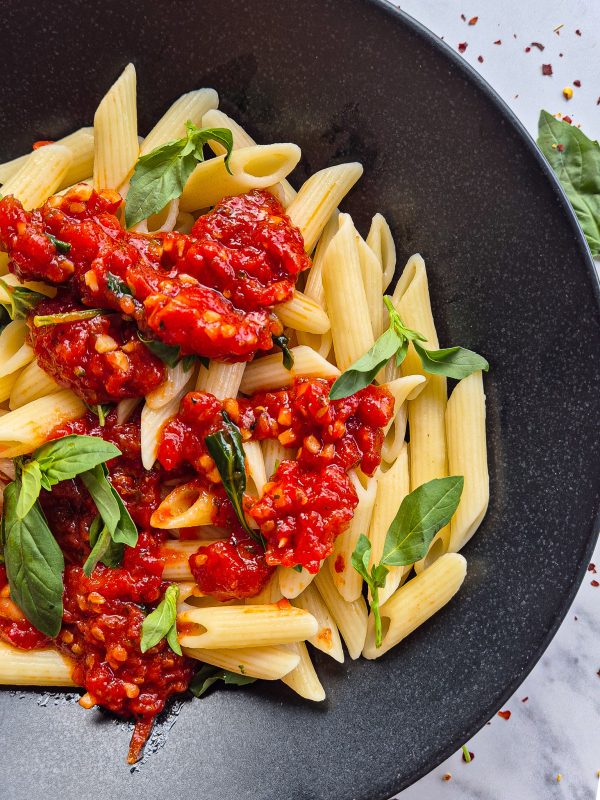
Marinara sauce is a traditional Italian sauce made from tomatoes, garlic, basil, and olive oil. It’s cherished for its simplicity and vibrant flavor, making it a versatile addition to many dishes.
Many people love Marinara sauce because it’s very easy to make your own. With just a few basic ingredients, you can add whatever herbs, spices, or vegetables you like to create a version that suits your taste or any special dietary needs you might have.In Italy, about 30% of the pasta dishes you find in restaurants are made with marinara sauce.
Marinara sauce can be found in a variety of cuisines around the world, and each culture adds its own special touch while keeping the familiar delicious flavor.
This shows how Marinara sauce is a great way to bring people together over shared meals. No matter where you are, the comforting taste of Marinara helps connect different cultures.
Perfect Ways to Serve Marinara Sauce
Serving Marinara sauce opens up endless possibilities. This sauce transforms ordinary meals into something extraordinary, making it a fantastic base for pasta, pizza, and delightful dipping. Here are a few common options:
- Pair spaghetti with marinara sauce for a perfect tomato flavor complement. Try whole wheat or gluten-free spaghetti for a fun twist.
- If you love seafood, try Sardine alla Marinara. The tangy sauce makes the fish taste even better. It’s also great with calamari or mussels for a fresh flavor boost.
- Top your Pizza Margherita with marinara sauce. This is perfect with mozzarella and fresh basil, making the cheese and basil stand out.
- Drizzle marinara over roasted veggies like zucchini, eggplant, or bell peppers. The sauce’s acidity balances their sweetness beautifully.
- Use marinara as a dip for appetizers like mozzarella sticks or crispy breadsticks. It’s tangy and savory, perfect for starting any meal.
- For a hearty option, consider Pollo alla Marinara, where chicken cooks in the sauce and absorbs its rich, herby flavors.
- Enjoy your marinara-based meal with a glass of Chianti. This medium-bodied wine with a spice hint makes the sauce taste even better.
Cooking Techniques for the Perfect Marinara Sauce
To make the perfect marinara sauce, focus on using quality ingredients and effective techniques.
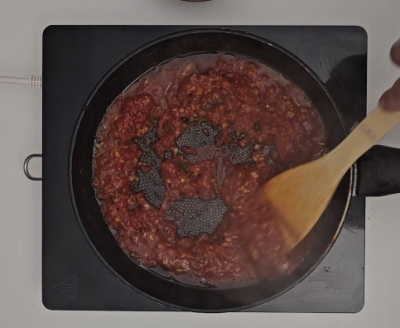
- Choose good tomatoes. Fresh or canned, San Marzano tomatoes from Italy are ideal because they are sweet and low in acidity. Cook them slowly over low to medium heat. This helps deepen their flavors and thickens the sauce naturally.
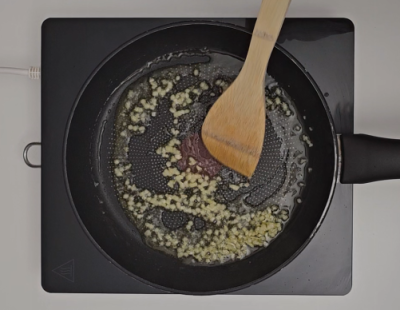
- Handle garlic carefully. Instead of chopping garlic, slice it thinly. This lets the oil absorb the garlic flavor well. Sauté the sliced garlic in olive oil for a great aroma that will fill your kitchen!
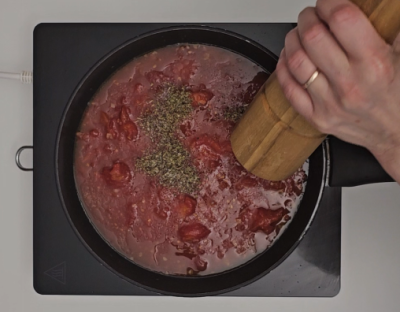
- Add herbs for better flavor. Put fresh basil in at the end of cooking to keep its strong taste. Add dried oregano earlier. Season with salt and pepper gradually, tasting as you go for a good balance!
- Add depth to your sauce. A splash of quality red wine or a dash of red pepper flakes can enhance the flavor. These are not in every traditional recipe, but they can elevate your marinara!
- Let the sauce rest. Allow your sauce a little time to develop its flavors before serving. This improves the overall taste.
By using these tips, your marinara sauce will perfectly complement pasta and show your love for cooking!
How does Italian version differ from American versions?
Italian Marinara sauce and its American version each have unique qualities that reflect their respective cultures and cooking styles. Authentic Italian Marinara is all about simplicity, typically made with just fresh tomatoes, garlic, olive oil, and a hint of basil or oregano. This style of cooking focuses on quick preparation so that the natural flavors of the ingredients really stand out.
On the other hand, American Marinara tends to be heartier. It often includes extra ingredients like onions and sugar, along with different herbs like rosemary or thyme. American cooks usually let the sauce simmer for a longer time, which deepens the flavors and gives it a richer taste that many people enjoy.
Marinara sauce is incredibly popular in the United States, with over 60% of households enjoying it regularly. It’s a standout star, making up around 40% of all tomato-based sauce sales. It’s deliciously loved!
These differences highlight the broader contrast in cooking styles: Italian cuisine highlights pure, simple flavors, while American versions prefer bold, complex tastes. Yet, both love tomatoes and their ability to enhance many dishes, keeping Marinara a cherished sauce worldwide.
What is the history behind Marinara sauce?
Marinara sauce has a history as rich as its flavor. The journey starts in Naples, Italy, during the 16th century, when tomatoes arrived in Europe and changed Italian cuisine forever.
One interesting story is about sailors who created the sauce during long trips at sea. The name “marinara” means “sailor style” in Italian. Without refrigeration, sailors needed a sauce that wouldn’t spoil on long journeys. They used a simple blend of tomatoes, garlic, herbs, and olive oil that could be prepared easily when they returned to shore.
Another story suggests that the wives of Neapolitan sailors first made the sauce to welcome their husbands home with its comforting aroma. No matter how it began, Marinara quickly became a favorite among both sailors and families on land.
Over time, the sauce evolved by absorbing bold flavors from Byzantine and Medieval cuisines. It spread throughout Italy and inspired regional variations, each with a unique twist on the classic recipe.
Today, Marinara stays true to its Neapolitan roots. It represents a blend of history, culture, and tradition, enjoyed worldwide in many forms and recipes.
What are some common mistakes to avoid?
Making Marinara sauce seems easy, but there are a few common mistakes that can ruin it. Here’s what to watch out for:
- Cooking Too Long: Marinara is supposed to be a quick-cooking sauce. If you cook it too long, it can lose its fresh taste and become too thick
- Choosing Poor Quality Tomatoes: Not all canned tomatoes are the same. Go for good-quality San Marzano tomatoes for the best flavor
- Skipping Fresh Herbs: Fresh basil and oregano really brighten up the sauce. Dried herbs don’t taste as fresh or aromatic
- Adding Too Many Ingredients: Keep it simple! Stick to the main ingredients so the sauce’s natural flavors shine through, rather than overwhelming it with extras.
- Not Using Enough Salt: Salt is important; it helps balance the flavors and brings out the richness of the sauce. Be sure to taste and adjust the seasoning.
- Using Sugar to Cut Acidity: Some people add sugar to make the sauce less tangy, but if you use good tomatoes, you won’t need it. Instead, focus on adjusting the flavors with seasonings.
By keeping these tips in mind, you can make a delicious marinara sauce!
What are the health benefits of Marinara sauce?
Marinara sauce isn’t just delicious; it can also be quite good for you. Consider these health benefits:
- Rich in Vitamins and Antioxidants: Tomatoes, at the core of marinara sauce, are rich in vitamins and antioxidants, particularly lycopene. Lycopene is a powerful antioxidant linked to a reduced risk of heart disease and certain types of cancer.
- Heart-Protective Properties: Garlic is often included in marinara and is celebrated for its ability to improve blood circulation and offer heart-protective benefits.
- Immune System Boost: Onions, another common ingredient, are a great source of vitamin C, flavonoids, and phytonutrients, which can contribute to an overall boost in your immune system.
- Anti-Inflammatory and Antibacterial Properties: Basil infuses marinara sauce with aromatic freshness and contains essential oils with anti-inflammatory and antibacterial properties.
- Infection-Fighting Compounds: Oregano, typically used in marinara, provides compounds that may aid in fighting infections.
- Low in Calories and Fat: Marinara sauce is generally low in calories and fat, making it a great addition to a balanced diet. It adds flavor and nutrition to meals without significant caloric content.
It’s fantastic to be mindful of portion sizes! Opting for sauces with low added sugars or salts can truly enhance the health benefits of your delicious marinara. Enjoy your meal while making smart choices!
What are the key ingredients in authentic Italian Marinara sauce?
Authentic Italian Marinara sauce is famous for its simple recipe and high-quality ingredients. Consider these essential components:
- Ripe Tomatoes: These provide the rich and tangy base for the sauce. Traditional recipes often favor San Marzano tomatoes for their sweetness and low acidity.
- Garlic: Adds a robust and aromatic flavor. Typically, garlic is sautéed in olive oil to release its flavors before incorporating the tomatoes, creating a fragrant base for the sauce.
- Olive Oil: Plays a dual role as both a cooking medium and a key ingredient, contributing to the sauce’s smooth texture and rich taste. Extra virgin olive oil is preferred for its purity and fruity notes.
- Fresh Basil Leaves: Added towards the end of cooking to introduce a fresh, slightly sweet aroma that complements the tomato’s acidity.
- Oregano (optional): Some recipes include a pinch of oregano for an extra layer of herbal flavor.
- Salt and Pepper: Enhances and balances the natural flavors of the ingredients, ensuring no component overpowers the others.
While some variations might use onions or a splash of red wine, traditional Marinara sauce focuses on these core ingredients, emphasizing simplicity and quality to achieve its classic taste.
How does Marinara sauce compare to similar sauces in other cuisines?
When you compare Marinara sauce to other sauces from different cuisines, you’ll notice both similarities and differences.
- Let’s take a look at some different sauces that use tomatoes, starting with French sauce tomate. This sauce is more complicated than Marinara. It includes extra ingredients like carrots and celery and cooks for a longer time, which helps to create a richer taste.
- In Spanish cooking, there’s a sauce called sofrito that also uses tomatoes. Sofrito often has bell peppers and is cooked slowly to develop a flavorful base for various Spanish dishes. Unlike Marinara, which can be served on its own, sofrito is usually used to enhance other recipes.
- Moving to Middle Eastern cuisine, you’ll find a dish called shakshuka. This is made with tomatoes, peppers, and spices. While it starts with tomatoes like Marinara, it sets itself apart with bold spices like cumin and paprika, and it includes poached eggs, making it a complete meal rather than just a sauce.
- In Indian cooking, tomato-based sauces are often part of curries. These sauces use a mix of spices such as turmeric, cumin, and coriander, resulting in flavors that are richer and spicier than those in Marinara. Some Indian sauces also use cream or yogurt, which distinguishes them from the olive oil base typically found in Marinara.
Overall, while Marinara shares its tomato base with many sauces around the world, its simplicity and emphasis on fresh, minimal ingredients give it a unique character.