What Is Burek?
Burek is a treasured traditional dish of Bosnia and Herzegovina, consisting of a savory spiral pastry made with hand-stretched dough known as jufka. It is filled generously with seasoned minced meat and baked until golden, crisp, and utterly irresistible.
While variations of filled pastries exist across the Balkans, the Middle East, and the Mediterranean, Bosnian burek stands in a category of its own. Its preparation is a craft passed down through generations, and its presence in everyday life is so deeply woven into Bosnian culture that no visit to the country is complete without savoring a warm slice from a local buregdžinica (burek bakery).
Historically connected to the Ottoman culinary tradition, burek arrived in Bosnia centuries ago but evolved into something uniquely Bosnian—shaped into spirals, stuffed primarily with meat, and perfected into a pastry that represents both comfort and heritage.
The Art of Serving Burek: Presentation and Tradition
How burek is served is just as important as how it is prepared. In Bosnia, it is always enjoyed warm, often piping hot from a traditional round pan that has just come out of the oven.
The serving ritual varies slightly by region, but a few elements are universally loved:
- A glass of plain yogurt — drinkable jogurt is considered the ultimate companion to this dish. The tangy freshness perfectly balances the richness of the pastry. Many locals treat this combination almost as sacred; you simply cannot eat it without yogurt.
- A simple plate and fork — burek is humble food, and its serving reflects that. In bakeries, it’s often enjoyed without ceremony, sometimes straight from parchment or paper.
- A sprinkle of black pepper or crushed red pepper — for a slight kick.
- Thinly sliced onions or pickled vegetables — especially during colder months, when heavier meals are common.
What are the key ingredients in authentic Burek?
Authentic Bosnian burek recipe is deceptively simple, given the ingredients. What makes it extraordinary is the technique — especially the mastery of the dough. Still, each component plays a crucial role:
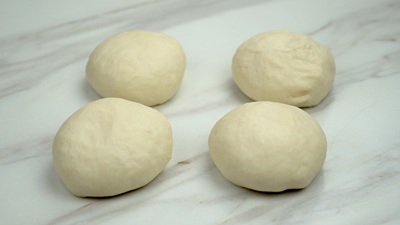
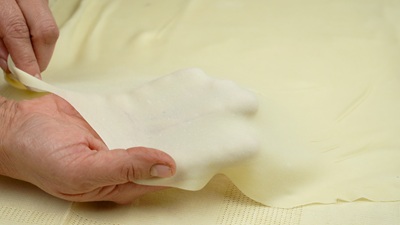
- Hand-shaped dough (jufka) – is the heart of the dish. It is kneaded until elastic, then stretched by hand across a large table until it becomes so thin you can almost read a newspaper through it. The dough must be supple enough not to tear, yet thin enough to produce the lightness.
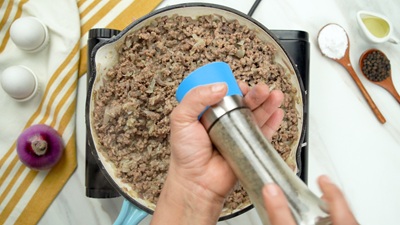
- Ground meat – Traditionally, beef is used, sometimes mixed with lamb for a richer flavor. The meat is not overly spiced, allowing its natural aroma to shine during baking.
- Onions – Finely chopped onions provide sweetness, moisture, and depth. They are essential for the tender, juicy filling.
- Salt, pepper, and minimal spices – Bosnian cuisine favors simplicity. Heavy spice blends are avoided to maintain authenticity.
- Oil or butter – Used to brush the dough layers, ensuring crisp edges and flaky swirls.
- Optional additions – Depending on the region and what cooks like, some add broth, sour cream, or melted butter to make the filling juicier.
The magic lies not in complexity but in balance — light dough, flavorful meat, and the perfect amount of fat.
Burek and Other Balkan Pies: What Makes It Unique?
The Balkans are home to many pies, but Bosnia’s burek holds a very specific identity.
- In Bosnia, “burek” always means meat. This is an important distinction. Cheese pie is sirnica. Spinach and cheese pie is zeljanica. Potato pie is krompiruša. Pumpkin pie is tikvenica. No Bosnian would refer to these as burek — a detail that often surprises visitors from neighboring countries.
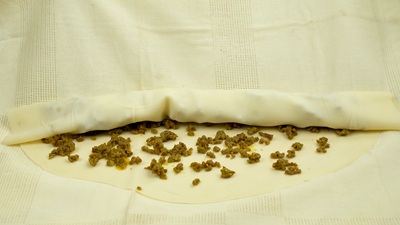
- Shape and technique. Burek is rolled into long ropes of dough filled with meat, then coiled into a spiral resembling a snail shell. Other countries layer their dough or fold it differently, resulting in a distinct texture.
- Texture and flavor. It is crisp on the outside, soft and juicy on the inside, and never greasy when prepared properly. It hits a delicate balance between airy dough layers and rich filling.
- Baking method – Traditional buregdžinice bake burek in large metal pans inside wood-fired ovens, giving it a signature color and aroma that is difficult to replicate elsewhere.
This combination of form, flavor, and technique makes it a standout pastry in the region’s culinary landscape.
A Global Perspective: Burek and Its International Cousins
Though Bosnian burek is unique, it shares ancestry with several dishes from around the world. Exploring its international cousins reveals how widespread and beloved this style of pastry has become.
- Turkey – Börek – The origin of burek. Turkish variations can be rolled, layered, fried, or baked. They often include cheese, spinach, potatoes, or minced meat. While related, Turkish börek tends to use more fillings and different shaping techniques.
- Greece – Bougatsa – A buttery phyllo pie typically filled with custard or cheese. While lighter and crisper than Bosnian version, it reflects the region’s shared culinary heritage.
- North Macedonia – Burek – Often heavier and layered, Macedonian version may include cheese or mixed fillings. It’s delicious, but quite different from the Bosnian spiral version.
- Albania – Byrek — also known as byrek me këtë depending on the filling — is a popular layered pastry baked in large sheets and cut into squares or triangles. Fillings vary, including cheese, spinach, and minced meat, often made with olive oil for a lighter taste.
- Bulgaria – Banitsa – made with layered phyllo dough, eggs, yogurt, and sirene cheese. It can also include ingredients like spinach or pumpkin and is traditionally baked in round pans.
- Middle East – Sambousek & Fatayer – Smaller, hand-pulled dough pastries filled with meat or cheese — usually fried.
- Morocco – Briouats – pastries featuring thin dough wrapped around sweet or savory fillings, are often fried and spiced.
These comparisons reveal how closely culinary traditions are linked, while emphasizing the unique identity of Bosnian version.
Other Traditional Versions of Burek in Bosnia and Herzegovina
Bosnia and Herzegovina also has other variations that showcase local creativity and family traditions. These versions use the same thin dough, called jufka, and savory meat filling but have different shapes and textures, revealing more about Bosnia’s pastry heritage.
- One popular type is buregdžici, which are small, spiraled pieces. Cooks roll the filled dough into long tubes and cut them into bite-sized rounds. When baked upright in a pan, they create a beautiful pattern with crispy edges and a juicy center. Buregdžici are often served at festive occasions and celebrations because of their elegant look.
- Another beloved variation is slagani burek, or layered burek. Instead of spiraling the dough, cooks stack thin sheets of jufka with meat filling in between. This results in a thicker, tray-baked version that looks like a savory Bosnian lasagna. It is easy to cut into squares, making it a practical choice for larger families.
- In some regions, you’ll find variations like savijača burek, where the dough is rolled into long, straight ropes and baked without spiraling. Zarolani burek consists of tightly rolled tubes filled with meat, which can be left straight or coiled. These styles often come from family traditions and local cooking habits.
These different styles show that while Bosnia values its classic meat burek, it also embraces a variety of shapes and methods. Each one tells a story and has a special place on the Bosnian table.
What are the health benefits of Burek?
Burek may appear indulgent, but it offers nutritional value and can be adapted to suit various dietary needs.
- Rich in protein – Meat-based dish provides high-quality protein necessary for muscle repair and energy.
- Balance of carbs and fats – The dough and meat filling create a satiating, energy-packed meal—ideal for active lifestyles or cold climates.
- Customizable nutrition – Lean meats, reduced oil, or whole-wheat dough can make the dish lighter while preserving authenticity.
- Probiotic benefits when paired with yogurt – Yogurt aids digestion and cuts through richness, which is why Bosnians consider the combination nearly mandatory.
- Packed with antioxidants and minerals – Onions supply vitamins, fiber, and immune-supporting compounds.
Burek is not diet food, but you can enjoy it as part of a balanced lifestyle. Just remember to eat it in moderation and pair it with healthier options.
Common Mistakes to Avoid When Making Burek
Preparing authentic burek is an art. Here are mistakes often made by beginners:
- Dough too thick. Jufka must be stretched until almost transparent. Thick dough results in heavy pastry.
- Overstuffing with filling. Too much meat can tear the dough and prevent proper spiraling.
- Insufficient moisture. Without enough onion, broth, or fat, the final outcome becomes dry.
- Skipping the brushing of oil or butter. This creates brittle layers instead of beautifully crisp ones.
- Overbaking. Burek should be golden — not dark brown or tough.
- Not allowing the it to rest. Resting helps the steam settle, allowing you to slice and serve without crumbling.
- Using low-quality phyllo dough. When not making homemade jufka, use the best possible phyllo available.
Burek rewards patience, attention, and experience. With practice, even home cooks can achieve bakery-quality results.
The Historical Origin of Burek
The story of burek stretches across centuries and continents, beginning long before it ever reached the kitchens of Bosnia and Herzegovina. Its roots lie in the early Turkic and Central Asian world, where nomadic tribes mastered the art of stretching dough into thin sheets and filling it with meat for portable, nourishing meals. These early dough pastries were practical, simple, and adaptable — qualities that allowed them to travel easily with migrating communities.
Over the next centuries, this evolved further under the influence of one of history’s greatest culinary engines: the Ottoman Empire. Within the Ottoman imperial kitchens, this dish took on new life. Palace chefs elevated the once-humble nomadic pastry into a celebrated dish, experimenting with different shapes such as spirals, coils, rolls, and layered trays.
Burek arrived in Bosnia in the mid-15th century, when the region became part of the Ottoman world. But Bosnia did not simply adopt börek; it embraced it, adapted it, and eventually made it uniquely its own. The country’s fertile valleys, excellent wheat, and access to high-quality beef allowed local bakers to create a distinctly Bosnian interpretation of the dish. The dough became astonishingly thin, stretched almost to transparency. The shape evolved into the now-iconic spiral, and meat became the defining filling.
By the 17th and 18th centuries, burek was well established in Bosnian towns. Specialized burekdžinice — burek bakeries — had become fixtures in urban life, with master bakers passing their hard-earned craft from one generation to the next. It was during this time that Bosnians developed the naming tradition that remains a point of cultural pride today: burek refers strictly to the meat-filled version, while pies with cheese, spinach, potatoes, or pumpkin earned their own separate names.
Even after the Ottoman Empire withdrew from the region, burek remained deeply rooted in Bosnian culture. It survived political changes, wars, migrations, and modern trends, continuing to thrive as one of the country’s most beloved foods. Today, burek is a symbol of Bosnia’s layered history — a culinary reminder of its past, a staple of its present, and a dish proudly shared with the world.