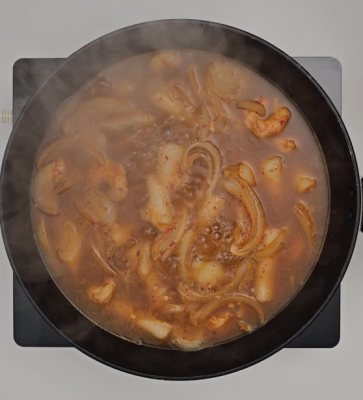
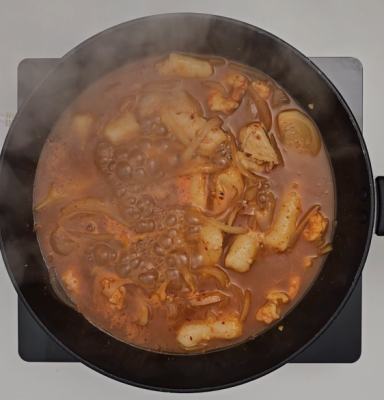
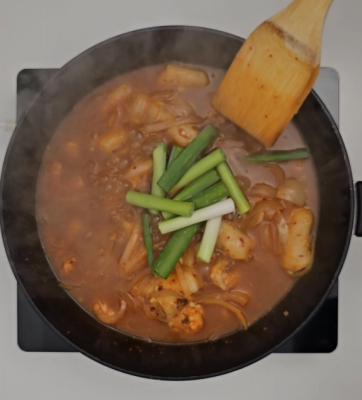
What is Korean Tteokbokki?
Korean Tteokbokki is a popular dish from Korea, mtade from chewy rice cakes known as ‘tteok’ and a spicy, sweet sauce.
Tteokbokki often comes with extras like fish cakes, shrimps, boiled eggs, and green onions. These additions add texture and extra flavors to the rice cakes.
You’ll find this spicy and flavorful dish everywhere in Korean street food culture. It started as a royal court dish but soon became popular in street markets, winning many hearts over time.
Vendors claim to have the best tteokbokki with unique recipes, adding ingredients like fish cakes, boiled eggs, and melted cheese. Today, this dish ranks among the top 10 street foods in South Korea. Locals and tourists alike enjoy it as it shares Korean traditions with everyone.
Whether you try it as a snack or part of a meal, it offers a delicious taste adventure that showcases Korea’s love for bold flavors.
International Variations: How Tteokbokki Compares
Tteokbokki is known for its flexibility, allowing people to customize the dish in many ways to fit their tastes. Similar dishes include Chinese Niangao and Japanese Mochi, which will be discussed in later chapters.
Here are other dishes from different cuisines that share similarities with the Korean version:
- Mexican Chilaquiles: Chilaquiles layer tortillas in sauces, just like rice cakes are covered in chili paste. Both dishes highlight complex flavors using simple, versatile ingredients.
- South Asian Chaat: Chaat mixes different textures and flavors—spicy, tangy, and sweet—similar to the flavor blend in tteokbokki.
- Southeast Asian Pad Thai: Pad Thai may not have the same main ingredients, but it is loved for its balance of sweet, savory, and spicy flavors.
- Indonesian Lontong: This dish features rice cakes but is served with rich coconut milk-based curries or satay, focusing on creamy flavors instead of the heat and tangy taste of Korean dish. This shows how local ingredients and tastes shape the use of rice cakes in different cuisines.
- Middle Eastern Kibbeh: Kibbeh combines meat and grains in flavorful dishes, showcasing the use of spices.
Tteokbokki is more than just street food; it represents culinary creativity, transforming simple ingredients into a rich and satisfying taste experience. The variety of textures and flavors appeals to food lovers who enjoy exploring global cuisine.
A Guide to Pairing Tteokbokki with Side Dishes
Pair tteokbokki with the right sides to create a meal that pleases everyone. While it packs a flavorful punch, the right accompaniments elevate it to a new level.
- Korean Fish Cakes: Often cooked as a part of the dish, these fish cakes add texture and depth. Their mild and mildly sweet taste boosts the spicy tteokbokki sauce.
- Kimchi: A staple in Korean food, kimchi’s tangy taste refreshes the palate. Whether it’s cabbage or radish kimchi, it’s a must-try with tteokbokki.
- Japchae: This glass noodle dish with stir-fried veggies and soy sauce pairs well with tteokbokki’s bold flavors. The chewy noodles complement the rice cakes beautifully.
- Pickled Radishes (Danmuji): The crisp, tangy taste of pickled radishes cuts through the spice, refreshing your palate with every bite. Plus, their bright color adds zest to your meal.
Our suggestion is to mix and match to discover your favorite combinations!
Spicy, Sweet, and Savory: Tteokbokki Flavor Profiles
Tteokbokki is a blend of mouthwatering flavors that enthralls anyone who tries this Korean street food favorite. At its core, you find a perfect balance of spicy, sweet, and savory tastes. The heat mainly comes from gochujang, a Korean chili paste that gives the dish its iconic fiery taste. But, there’s more than just spice—a hint of sweetness often comes from sugar or corn syrup, creating a balanced blend.
The savory flavor often comes from a base of anchovy broth or beef stock, adding a satisfying umami-rich depth. Some varieties also have soy sauce or fish cakes, adding to the complex taste. The mix of these elements makes the dish exciting and flavorful, without being just about the spice. The soft, chewy texture of the rice cakes adds to this delicious experience.
Feel free to customize the flavor to suit your taste as you explore it. Whether you prefer a spicier version or a milder, sweeter dish, its flexibility ensures there’s something for everyone. When made right, every bite becomes an adventure—a testament to Korean cuisine’s mastery in balancing flavors.
Exploring Regional Variations of Tteokbokki in Korea
As you travel across Korea, you’ll find each region puts its own spin on Tteokbokki. In Seoul, the bustling capital, you’ll often find the classic version with a red pepper paste sauce that’s both sweet and spicy. This type usually includes fish cakes, boiled eggs, and sesame seeds, capturing the city’s lively vibe.
Head southeast to Busan, a coastal city, and you’ll encounter Eomuk Tteokbokki. This style champions Busan’s well-known fish cakes, using more broth to create a comforting, soup-like dish.
In the southwest, Jeolla Province offers versions packed with veggies such as cabbage and carrots, thanks to the region’s agricultural richness. Here, local spices enhance the flavor, making for a unique take on Tteokbokki.
Jeju Island adds its own twist by tossing in seafood like squid or shrimp, reflecting the island’s abundant marine life. These adaptations show how this dish stays true to its roots while embracing local ingredients.
Every regional take on Tteokbokki reveals Korea’s vibrant culinary heritage and showcases the creative flair Koreans bring to the table.
Tteokbokki Ingredients: A Closer Look
At the heart of Tteokbokki are its essential ingredients, each playing a crucial role in creating this beloved dish:
- Garaetteok (Cylindrical Rice Cakes): Made from steamed rice flour, these chewy and dense sticks are the backbone of the dish, providing texture and substance with every bite. The rice cakes soak up the rich, spicy flavors of the sauce, making them an irresistible treat.
- Gochujang (Chili Paste): This traditional Korean chili paste is the source of distinguishing heat and umami. Fermented with soybean powder, red chili powder, and glutinous rice, Gochujang imparts both depth and complexity to the dish’s flavor profile.
- Eomuk (Fish Cakes): These add an extra layer of savoriness and mild sweetness. Often sliced into bite-sized pieces, they absorb the vibrant sauce, enhancing the overall richness of the dish.
- Dashi Stock: Typically made from kelp and anchovies, this stock adds a subtle saltiness and enhances the savory profile of the dish.
- Sugar and Soy Sauce: Frequently added to achieve a harmonious blend by balancing the heat with a touch of sweetness.
You can add ingredients like boiled eggs, scallions, or vegetables based on your region and personal taste. These additions bring more flavors and textures to the dish.
Tteokbokki and Rice Cakes: Understanding the Basics
In Tteokbokki, Korean fish cake, or eomuk, plays a big role. These flat, savory pieces add a nice contrast to the soft rice cakes with their firmer texture. They offer a subtle umami flavor that boosts its taste. Sliced into thin strips or small rectangles, they soak up the spicy sauce, ensuring every bite bursts with flavor.
How does Tteokbokki compare to Japanese mochi dishes?
Tteokbokki and Japanese mochi dishes both use rice as a main ingredient, but they taste different. The Korean version is famous for its spicy and savoury flavor thanks to a chilli paste called gochujang. This sauce covers chewy rice cakes, often with additions like boiled eggs and fish cakes.
On the other hand, mochi has sweet or mild flavors, and it’s made from sticky glutinous rice called mochigome.
Mochi feels softer and more tender compared to Tteokbokki’s stretchy chewiness. Mochi can be sweet or savory. It’s often filled with sweet bean pastes or eaten in soups like Ozoni during the Japanese New Year. This shows how mochi fits more with desserts or festive treats, while Korean dish is a favorite in savory street foods.
Both are fun to eat with friends, showing their cultural importance. Whether you choose Tteokbokki’s bold taste or Mochi’s gentle sweetness, exploring these dishes highlights how rice can excite your palette.
What are some popular variations of Tteokbokki?
When you explore Tteokbokki’s variations, the possibilities are endless! One popular twist is Rabokki, mixing rice cakes with ramen noodles to add extra chewiness. If you crave something indulgent, try Rose Tteokbokki. This trendy version uses milk for a creamy touch, softening the spicy kick for a milder taste.
If you prefer a hearty meal, add dumplings or blood sausage for rich flavors and more texture. Cheese lovers should try the version topped with mozzarella cheese, which melts perfectly over the spicy base.
You can also mix in new proteins like seafood for a seafood twist instead of traditional fish cakes. These variations let you enjoy many flavors, each putting a new spin on a classic dish. Whether you like it spicy or creamy, there’s a Tteokbokki version for everyone to enjoy!
How does Tteokbokki differ from Chinese rice cake dishes?
Tteokbokki and Chinese rice cake dishes like Chao Niangao both use rice cakes, but they differ in preparation, taste, and cultural traditions.
Korean dis stands out with its spicy and sweet gochujang sauce. It offers a lively flavor that pairs well with chewy rice cakes. You make it by simmering rice cakes and fish cakes in the sauce until it thickens and caramelizes, giving you a genuine Korean taste experience.
On the other hand, Chao Niangao often uses a soy sauce base and includes ingredients like bok choy and proteins such as shrimp or pork. The texture of these Chinese rice cakes is usually firmer than Korean rice cakes’ soft chewiness.
While both dishes feature rice cakes, the different flavors, ingredients, and cooking methods highlight their unique place within their cultural contexts. If you love trying new textures and flavors, exploring both dishes will give you a delicious insight into the culinary traditions of Korea and China.
Are there any health benefits to eating Tteokbokki?
Tteokbokki, although primarily known for its irresistible flavors, also holds some noteworthy health benefits when consumed in moderation:
- Traditional ingredients like Korean rice cakes are made from rice flour, containing complex carbohydrates that provide a quick energy boost.
- Rice cakes are low in fat, making them a lighter option compared to fried snacks.
- Fish cakes add protein to the dish, which is essential for muscle building and repair.
- Gochujang, a fermented chili paste, brings the iconic spicy kick and provides probiotics that support a healthy digestive system.
- Incorporating vegetables like carrots, cabbage, or green onions can enhance the nutritional profile by adding vitamins and fiber.
What is the historical origin of Tteokbokki?
Korean tteokbokki, with roots in the Joseon Dynasty (1392–1897), started as ‘gungjung tteokbokki’ or ‘royal court tteokbokki.’ This version differed from today’s spicy dish. In the past, it was savory, made with soy sauce, beef, and vegetables, served as a royal delicacy.
In the mid-20th century, tteokbokki transformed into the spicy dish we recognize today. During the 1950s, Ma Bok-rim, a food stall owner in Seoul’s Sindang-dong, introduced gochujang (Korean red chili paste) as a key ingredient, creating a popular new version. This change happened as Korea was rebuilding after the Korean War, making tteokbokki a symbol of affordable and satisfying street food for everyone.
Today, tteokbokki continues to change, with versions like cheese tteokbokki, cream sauce tteokbokki, and fusion styles featuring global ingredients. Even with these modern twists, tteokbokki remains a link to its rich past, representing both Korea’s culinary heritage and its vibrant food culture.