What is Serbian Muckalica?
Serbian Muckalica is a hearty stew that showcases the flavors of Serbian cooking. At its core, it’s a mix of grilled or roasted meat and colorful vegetables such as peppers, tomatoes, and onions. What makes it special is the seasoning—paprika, garlic, and sometimes chili—which deepens the flavor and enhances the smokiness of the meat.
The dish comes from Leskovac, a lively city in southern Serbia known for its barbecue traditions. There, people perfected the art of grilling, giving the local version—Leskovačka muckalica—its signature smoky taste. Over time, other regions have adapted it, each with their own twist.
How to Present and Serve Muckalica Like a Local?
In Serbia, Muckalica is more than food, it’s something people gather around. It’s often served at celebrations and family meals, meant to be shared straight from a large pot or skillet.
Here are some popular pairings:
- Fresh bread or flatbread – soft and perfect for soaking up the sauce.
- Cornbread – adds a light sweetness against the savory stew.
- Polenta or white rice – balances the spice if you add chili.
- Shopska salad – crisp vegetables and feta for a refreshing side.
- Thick yogurt – cools the richness of the dish.
- Red wine or lager – to round out the flavors.
The Ingredients That Make It Unique
Muckalica uses simple ingredients, but together they create something special:
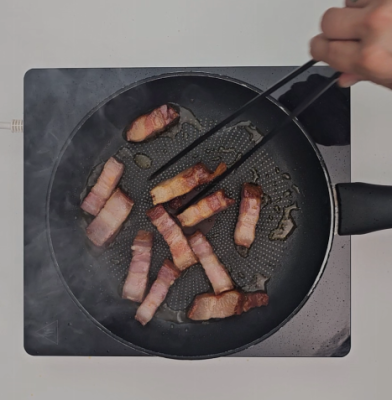
- Grilled or roasted meat (usually pork or beef) – smoky and rich.
- Tomatoes – sweet and juicy.
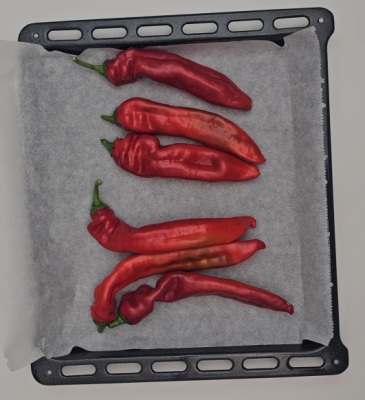
- Peppers – colorful and slightly sweet.
- Onions and garlic – aromatic and savory.
- Paprika – sweet or hot, depending on your taste.
- Chili (optional) – for those who want a kick of heat.
Regional Variations
As you travel through Serbia, you’ll notice different versions:
- Leskovac – smoky grilled meat is the star.
- Toplica – heavier on local spices.
- Zlatibor – includes mushrooms or smoked meats for extra depth.
- Niš – spicier, with more hot peppers.
- Western Serbia – cured meats add a stronger smoky aroma.
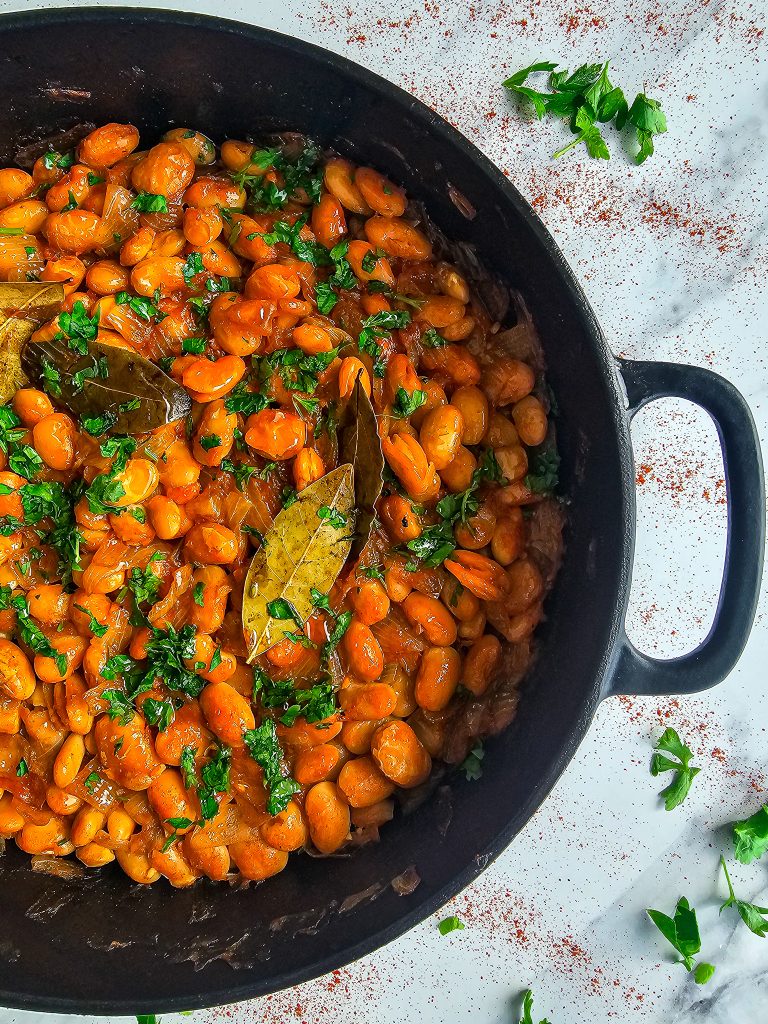
- Vojvodina – often paired with beans or dumplings, especially in winter.
What is the history of Muckalica?
Muckalica’s story connects closely to Serbia’s passion for grilling. Most people trace its origin to Leskovac in the late 1960s, when a grill master named Miodrag Gligorijević found a clever way to use leftover barbecue. Rather than let the smoky meat go to waste, he cooked it together with peppers, tomatoes, and onions. The flavors blended beautifully, and a new dish was born. People soon called it Muckalica, from the word muckati, which means “to mix.”
Like many traditional dishes, though, other regions tell their own stories. In central Serbia, known as Šumadija, people say Muckalica began as a simple way to stretch roasted or grilled meat into another meal. For families who didn’t want to waste food, it was both practical and creative.
With time, Muckalica grew beyond its role as a leftover dish and became a true symbol of Serbian cooking. In Leskovac, it takes center stage at the annual Roštiljijada (Grill Festival), where grill masters compete and thousands gather to celebrate smoky, flame-kissed flavors. Today, Muckalica isn’t just comfort food—it represents Serbian hospitality itself: warm, hearty, and always meant to be shared.
What are the health benefits of Muckalica?
Muckalica isn’t just tasty—it can be good for you too. Here’s why:
- Plenty of protein – The meat gives your body the fuel it needs for energy and muscle strength.
- Full of vitamins – Tomatoes and peppers are loaded with vitamin C for your immune system and vitamin A for healthy skin and eyes.
- Rich in antioxidants – The bright vegetables help protect your body from everyday stress and illness.
- Good for digestion – Onions and peppers add fiber, which keeps your stomach happy and helps you feel full.
- Easy to adapt – Use lean pork, chicken, or turkey for a lower fat option. Add extra vegetables for even more nutrients. You can even make it vegetarian with mushrooms or beans.
- Naturally lighter than some stews – Because the flavor comes from grilling and vegetables, you don’t need a lot of heavy oils or butter.
In short, Muckalica manages to be comforting and nourishing at the same time. You can enjoy it as a cozy meal while still giving your body something good.
Common Mistakes to Avoid
- Serving it in small bowls—Muckalica is meant to be shared in a big dish.
- Skipping the bread—you’ll want it to soak up the sauce.
- Forgetting the sides—salads, pickles, and drinks complete the experience.
- Serving it cold—clay pots or cast iron skillets keep it warm and rustic.
The Sauce Compared to Other Cuisines
Muckalica’s sauce looks simple—tomatoes, peppers, onions, and meat juices—but the mix creates something special. The grilled meat gives it smokiness, the vegetables keep it fresh, and the spices add just enough depth. The result is a sauce that feels hearty but never too heavy.
Here’s how it stacks up against other famous dishes:
- Hungarian Goulash: Goulash builds on beef and paprika, with a thick, rich broth. Its sauce tastes deep and earthy. Muckalica, on the other hand, feels lighter and fresher, with a smoky edge from the grill.
- Shakshuka: Shakshuka also starts with tomatoes and peppers, but cooks them down with cumin and chili. Eggs simmer right in the sauce, making it bold and spicy. Muckalica doesn’t lean on heavy spices—it lets the meat and paprika shine.
- French Ratatouille: Ratatouille celebrates vegetables like tomatoes, zucchini, and eggplant. The sauce turns sweet and gentle as the vegetables melt together. Muckalica feels sturdier, with savory juices from the meat giving it more body.
- Spanish Peperonata: Peperonata softens peppers, onions, and tomatoes into a sweet side dish. Muckalica takes a stronger path with garlic, paprika, and grilled meat, creating a sauce that’s bolder and more filling.
While ratatouille and peperonata lean sweet, goulash leans heavy, and shakshuka leans spiced, Muckalica balances all sides. Its sauce stays smoky, savory, and flexible—uniquely Serbian and perfect for sharing.