What Is Jamaican Oxtail Stew?
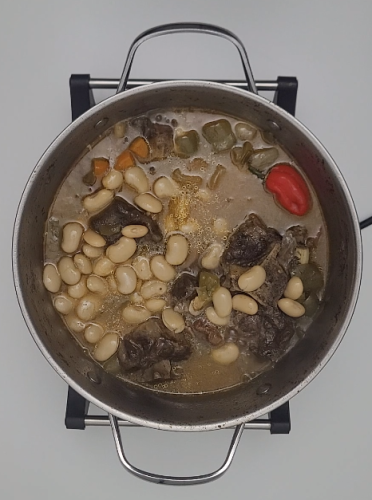
Jamaican Oxtail Stew is a delicious dish made from the tail of cattle, cooked slowly until it’s very tender. This stew is packed with flavors from classic Jamaican spices like allspice, thyme, and hot Scotch bonnet peppers.
In addition, it includes vegetables like carrots, onions, and bell peppers, all simmered in a rich gravy that often has a deep brown color. Ingredients like garlic, ginger, and soy sauce help to create a tasty broth that brings everything together
To achieve tender, flavorful results, it’s best to cook the stew in a Dutch oven or slow cooker.
This stew is a comfort food in Jamaica, popular for casual dinners and special occasions, cherished in homes and restaurants.
The Rich History of Jamaican Oxtail Stew
Jamaican Oxtail Stew has an interesting history that shows Jamaica’s rich culture. This dish dates back to colonial times and combines influences from Africa, Europe, and local customs. African slaves brought to Jamaica had to make do with limited resources. They used oxtail, a cheaper cut of meat, and it became an important part of their meals, eventually turning into a beloved dish.
To make this stew, cooks marinate the oxtail in local spices like thyme, allspice (known as pimento in Jamaica), and spicy Scotch bonnet peppers. After marinating, they cook the oxtail slowly until it becomes tender and tasty. This cooking method and the use of local ingredients have been passed down in Jamaican families.
Interestingly, the tradition of cooking oxtail as a stew comes from Europe. During the French Revolution, poor people often used oxtail to make hearty stew. This cooking style came to Jamaica with British colonization, where it was adapted to match local flavors.
Today, Jamaican Oxtail Stew is still a family favorite. Each generation adds its own unique twist while keeping the essence of the dish alive. It’s a great example of how a simple ingredient can become a cherished meal that tells a story of resilience and creativity.
Ingredients You’ll Need for Jamaican Oxtail Stew
Creating an authentic Jamaican Oxtail Stew starts with gathering the freshest and most flavorful ingredients. Here’s what you’ll need:
- Oxtails: About 2 pounds of well-trimmed oxtails. They provide the rich, gelatinous texture that defines the stew.
- Butterbeans: A cup of these beans adds a creamy consistency and balances the dish’s richness.
- All-Purpose Seasoning: This blend sets the base flavor. Use it generously as it’s integral to capturing the true Jamaican essence.
- Browning: Just a tablespoon will enhance the color and depth of flavor, giving the dish its signature dark hue.
- Salt and Dark Brown Sugar: Both will help in seasoning the meat, with sugar adding a subtle sweetness.
- Maggi Stock Cube: This concentrated stock adds an umami punch, elevating the overall taste.
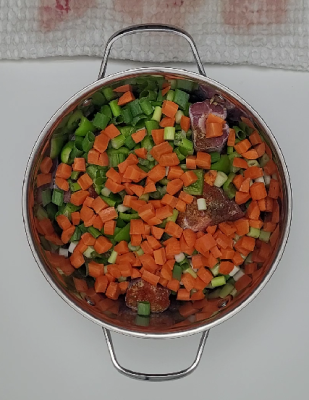
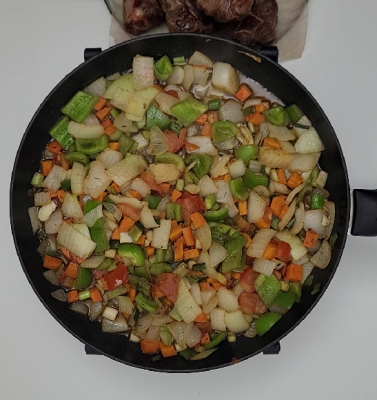
- Fresh Vegetables: Diced onions, bell peppers, tomatoes, and scallions bring freshness and complexity.
- Scotch Bonnet Pepper: For an authentic spicy kick, use a Scotch bonnet pepper, but handle it carefully as it is very hot.
- Herbs: Fresh thyme, garlic, and ginger are must-haves. Pimento berries also add a unique fragrance often associated with Jamaican cuisine.
- Ketchup: Adds a touch of sweetness and acidity, balancing the overall flavor profile.
- Cooking Oil: Use it to sear the oxtails, locking in the juices and developing a rich, toasted flavor.
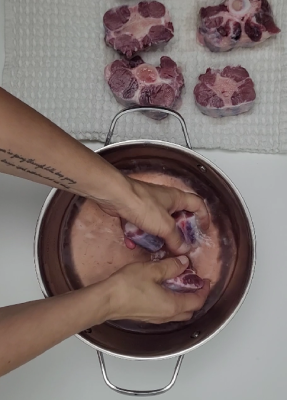
- Lime and Vinegar: These are used to clean the oxtails before cooking, ensuring any gamey taste is removed.
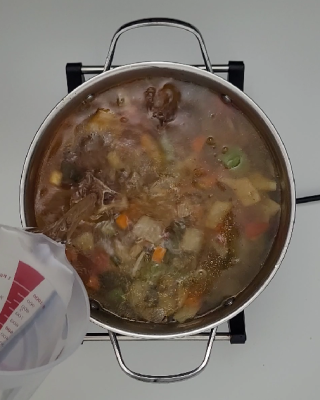
- Water: Essential for creating the broth in which the oxtails will slowly braise until tender.
Cooking Tips for Perfect Oxtail Stew Every Time
Try these handy tips to serve up a flawless dish every single time.
- Season Generously: Mix seasoned salt, meat tenderizer, onion powder, and pepper. Let the meat marinate for at least an hour or overnight.
- Browning is Essential: Brown the oxtail pieces in hot oil before braising. Coat them lightly in flour to create a crispy exterior.
- Low and Slow is Key: Cook the oxtails on low heat for 2.5 to 3 hours. This slow process makes the meat tender and the stew rich.
- Deglaze Your Pot: After browning, deglaze the pot with wine or broth to lift caramelized bits, enhancing flavor.
- Add Vegetables Later: Introduce vegetables like carrots and potatoes in the last hour of cooking to avoid mushiness.
- Balance Your Seasonings: Taste and adjust seasonings. Add browning sauce or soy sauce towards the end for added depth.
With these essential tips, this dish will be succulent, rich, and authentic.
Pairing Jamaican Oxtail Stew with Side Dishes
Pair Jamaican Oxtail Stew with perfect side dishes to elevate your dining experience. Traditional starchy sides can soak up the savory sauce.
- Rice and Peas: The mild, nutty flavor of rice with red kidney beans and coconut milk complements the stew. Together, they create a satisfying, flavorful bite.
- Fried Plantains: Sweet and caramelized, fried plantains add a delightful contrast to the stew’s savory notes. The combination of tender beef and crispy plantains reflects the diverse Jamaican palate.
- Festival Dumplings: Slightly sweet and fried, these dumplings add a crunchy texture and flavor. They’re perfect for dipping into the stew’s gravy.
- Steamed Vegetables: Serve with a medley of steamed carrots, bell peppers, and cabbage. The freshness of the veggies offers a refreshing balance to the rich stew.
- Bammy: This flatbread made from cassava pairs well with oxtail stew. Soak it in coconut milk before frying or baking for extra flavor, and enjoy it as a base for the stew’s sauce.
The Cultural Significance of Oxtail in Jamaican Cuisine
In modern Jamaica, Oxtail Stew is more than just a meal; it brings people together. Families often gather around large pots of stew, sharing food, stories, laughter, and traditions. This shared experience makes the dish a symbol of togetherness and family bonding..
Also, oxtail stew is a popular dish featured in Jamaican street festivals and other food events.
The dish has gained widespread popularity within Caribbean communities worldwide. In the United States, especially in places like New York and Miami, you can find adapted versions of Jamaican Oxtail Stew. These versions often have more vegetables, like carrots and potatoes, and use beef broth for a richer base. You might also notice an extra kick of heat from added Scotch bonnet peppers or hot sauce.
In the United Kingdom, with its large Jamaican community, chefs put their spin on the dish. British versions might include different meats or local herbs and spices. Some recipes even add Worcestershire sauce or red wine for a unique European twist
Jamaican Oxtail Stew vs. American Oxtail Stew: Key Differences
Jamaican Oxtail Stew and American Oxtail Stew may share the main ingredient—oxtail—but their flavors, preparation methods, and cultural significance differ greatly.
- Flavor Profile: Jamaican version bursts with bold, aromatic flavors from allspice, Scotch bonnet peppers, and thyme. The meat gets marinated in these spices first. American Oxtail Stew offers milder flavors with bay leaves, parsley, and sometimes Worcestershire sauce.
- Preparation Techniques: In Jamaica, the oxtails get browned before simmering in a rich sauce, allowing spices to penetrate deeply. Americans might skip marination, browning the meat then simmering it with carrots, celery, and potatoes for a hearty meal.
- Ingredients: Jamaican Oxtail Stew includes Caribbean staples like butter beans and bell peppers, adding texture and flavor. American versions focus on root vegetables for a thick, rich stew.
- Cultural Significance: In Jamaica, oxtail stew represents a cultural emblem, often enjoyed at family gatherings and holidays. In the U.S., it’s valued as comfort food, especially in Southern cuisine.
Comparing Jamaican Oxtail Stew and Nigerian Oxtail Stew
Both Jamaican and Nigerian oxtail stews differ in preparation and taste, reflecting unique cultures.
- Ingredients:Jamaican oxtail stew features broad beans, carrots, onions, garlic, thyme, allspice, and Scotch bonnet peppers, giving it a spicy kick. Nigerian stew combines tomatoes, bell peppers, Scotch bonnets (ata rodo), curry powder, nutmeg, and often palm oil, adding a rich color and taste.
- Preparation:Jamaican stew starts with marinating and browning the oxtail before slow-cooking with vegetables and beans for tender meat and rich flavors. Nigerian stew browns the oxtail and uses a tomato-pepper blend, simmered to a thick, rich sauce with palm oil.
- Taste Profile:Jamaican oxtail stew offers robust flavors with aromatic allspice and thyme, complemented by the sweetness of broad beans and carrots. Nigerian stew has an earthy taste with a mix of warm spices and a spicier profile.
Health Benefits of Eating Oxtail
- High Protein Content: Eating oxtail not only provides a rich and tasty flavor, but it also has health benefits. This traditional cut of meat is full of important nutrients and minerals that help you have a balanced diet. Oxtail is a great source of protein, which is important for building and repairing muscles.
- Rich in Collagen: Additionally, it contains a good amount of collagen, beneficial for skin health and joint function.
- Iron and Zinc: Oxtail is a great source of protein and collagen. It also has a lot of iron and zinc, which are important for healthy blood and a strong immune system. Iron helps make hemoglobin, while zinc helps your body heal wounds and fight infections. A well-cooked oxtail stew can be a tasty way to increase your nutrient intake.
- Bone Marrow Benefits: Oxtail contains bone marrow, which has valuable fats and vitamins. Moreover, it is rich in Vitamins A and K2, both of which help maintain strong bones and support heart health. While oxtail is a popular comfort food, it also contributes to your overall wellness.
- Balance with Vegetables: It’s important to eat oxtail stew in moderation because it has a high fat content. To make a healthier meal, pair it with vegetables and legumes.
Common Mistakes to Avoid When Making Jamaican Oxtail Stew
Making Jamaican Oxtail Stew is an art form, but even seasoned cooks can sometimes make missteps. Avoiding these common mistakes can ensure your stew turns out perfect every time.
- Skipping the Marination: Marinating the oxtail overnight in authentic Jamaican spices is crucial. Don’t skip this step or your stew may lack depth.
- Not Browning the Meat: Browning the oxtail on all sides before adding it to the stew is essential. This step not only enriches the taste but also adds color to your stew.
- Using the Wrong Pot: A heavy-bottomed pot or Dutch oven is best for making Jamaican Oxtail Stew. Using thinner pots can lead to uneven cooking or sticking, which can ruin the dish.
- Rushing the Cooking Process: Oxtail needs time to become tender. Avoid trying to speed this up; patience will reward you with a melt-in-your-mouth texture.
- Overloading with Water: Adding too much water can dilute the flavors. It’s important to add water or broth gradually, allowing it to reduce and thicken naturally.
- Neglecting Fresh Ingredients: Fresh herbs and spices can make a huge difference in the final taste of your stew.
- Ignoring the Fat: It’s essential to skim off excess fat during cooking to prevent the stew from being overly greasy. Balancing the fat ensures a perfect consistency and taste.
How does Jamaican Oxtail Stew compare to similar dishes in Caribbean cuisine?
Jamaican Oxtail Stew is a beloved dish in Jamaican cuisine, but it shares similarities with other Caribbean dishes that celebrate the rich flavors of slow-cooked meats and hearty ingredients.
- Notably, Trinidadian Oxtail Stew features oxtail as the main ingredient, but the spices and cooking techniques differ. Jamaican dish typically includes allspice, Scotch bonnet peppers, and thyme. In contrast, Trinidadian Oxtail Stew might incorporate green seasoning, adding a different layer of complexity. Also this version often features thyme, pimento peppers, and caramelization achieved by browning the meat in sugar.
- Cuban Rabo Encendido, which translates to ‘tail on fire.’ This Cuban version is known for its rich, tomato-based sauce and the inclusion of red wine, which adds depth and slight acidity. While Jamaican Oxtail Stew often features a gravy thickened with butter beans and flavored with browning sauce, Rabo Encendido leans more towards a robust, wine-infused broth. Both dishes are slow-cooked to ensure the meat is tender and flavorful, but their ingredients and spices set them apart.
- Haitian ‘Queue de Boeuf,’ typically seasoned with epis. This is a Haitian seasoning base made from a blend of herbs, garlic, and citrus juice. This gives the Haitian version a unique taste that distinguishes it from Jamaican version. Additionally, Queue de Boeuf may include vegetables like carrots and potatoes, making it a more vegetable-forward stew.
Each version reflects the unique culinary traditions and available ingredients of its culture, yet they all offer a hearty, satisfying meal celebrating the art of slow cooking and rich flavors.